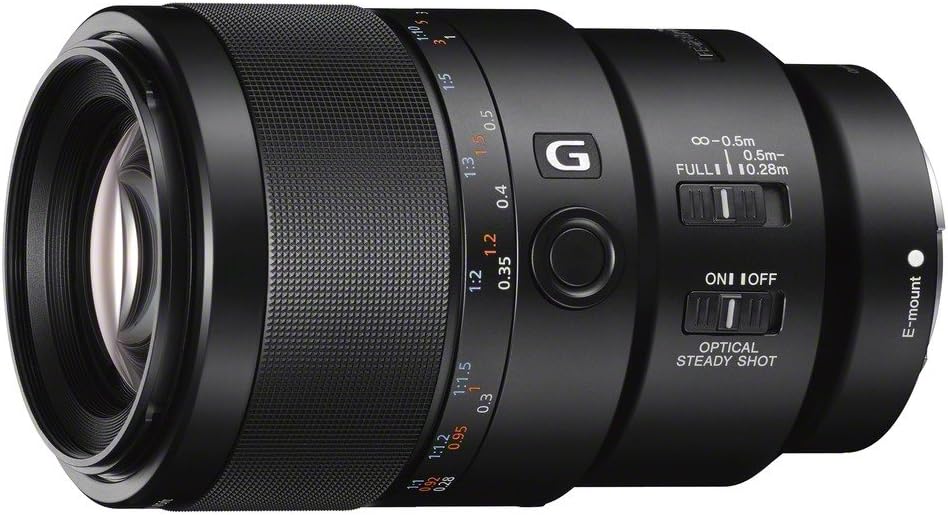
Sony FE 90mm F2.8 Macro G OSS Full-Frame Lens
4.6Editor score
Nano AR Coating
Dust and Moisture Resistant
Direct Drive SSM Focus
Discover the top macro lenses for insect photography in October 2026. This guide compares ten professional and budget options for capturing sharp, detailed
Macro photography opens a unique window into the microscopic world of insects, revealing intricate details invisible to the naked eye. Choosing the right lens is crucial for capturing sharp, vibrant images without disturbing your delicate subjects during outdoor shoots.
We evaluated ten top-rated macro lenses based on optical performance, magnification capabilities, build quality, and ease of use. Our comparison includes dedicated camera lenses, smartphone attachments, and conversion filters suitable for various skill levels and budgets.
Each product overview highlights specific strengths for insect photography, from focus range to image stabilization. Please note that product availability and pricing may vary over time, so verify current details before making your purchase decision.
4.6Editor score

4.7Editor score

4.6Editor score
This side-by-side comparison evaluates optical specifications, compatibility, and special features across ten leading macro lens options. Each entry is summarized with key technical details to help you decide which lens matches your camera system and insect photography goals.


This Canon lens stands out as the top choice for serious insect photographers seeking exceptional detail and image quality. With a remarkable 1.4x maximum magnification, it surpasses standard 1:1 macro lenses to reveal even finer textures in your subjects.
We may earn a commission when you buy through this link, at no additional cost to you.
The Hybrid IS system compensates for both angular and shift shake, which is vital when shooting handheld in natural outdoor environments. Its Spherical Aberration Control ring allows you to customize the foreground and background bokeh for artistic impact.
While the price is higher than consumer options, the optical performance justifies the investment for professionals. The weight is noticeable during long field sessions but ensures stability and durability over years of demanding use.
Canon shooters wanting the absolute best macro performance should prioritize this lens. It delivers professional results that elevate insect photography beyond standard close-up work into fine art territory.
The 1.4x magnification allows capturing details invisible to standard macro lenses, perfect for small insect features like eye structures or fine hairs.
Adjusting spherical aberration directly gives you creative control over how the background blurs, enhancing subject isolation in cluttered environments.
We may earn a commission when you buy through this link, at no additional cost to you.
Sony's 90mm Macro G lens delivers exceptional optical quality tailored for full-frame and APS-C shooters. Its advanced Spherical and Super ED glass elements ensure incredible sharpness from center to corner across all focal ranges.
We may earn a commission when you buy through this link, at no additional cost to you.
The DDSSM focus motor provides quiet and precise manual auto switching, which is critical when approaching skittish insects. Dust and moisture resistance adds reliability for outdoor fieldwork in varying weather conditions.
While it lacks the extended magnification of some newer models, the image quality remains industry-leading. The weight is moderate, making it manageable for handheld shooting throughout the day.
Sony users investing in a professional macro lens will appreciate the build and optical precision. This lens balances performance and durability perfectly for demanding insect photography applications.
Dust and moisture resistance ensures the lens performs reliably in humid or dusty environments common during insect hunting in the wild.
Advanced coating effectively suppresses reflections and flare, maintaining contrast and clarity when shooting in bright sunlight or backlit conditions.
We may earn a commission when you buy through this link, at no additional cost to you.
The FotoZ conversion lens offers an accessible entry point into macro photography without requiring a specialized macro lens purchase. It transforms existing camera lenses into capable close-up tools for capturing insects and small details.
We may earn a commission when you buy through this link, at no additional cost to you.
Its universal compatibility covers a wide range of filter thread sizes, making it versatile for photographers with multiple camera setups. The spring-loaded snap-on design ensures secure attachment without additional tools.
While optical performance cannot match dedicated macro lenses, it delivers clear results for casual photographers. Distortion and flare are managed through multi-coated glass, keeping images sharp for the price.
Beginners or travelers wanting a compact macro solution will find this lens highly practical. It provides a low-cost way to test macro techniques before investing in higher-end equipment.
The inclusion of adapter rings allows easy mounting on lenses ranging from 37mm to 72mm, fitting most DSLR and mirrorless setups effortlessly.
Instant snap-on design means you can switch between normal and macro photography in seconds, ideal for dynamic outdoor shooting situations.
We may earn a commission when you buy through this link, at no additional cost to you.
This TTARTISAN lens provides a compelling manual focus option for Sony E-mount users seeking 1:1 macro capabilities. Its all-metal construction ensures durability while keeping weight low for extended field sessions.
We may earn a commission when you buy through this link, at no additional cost to you.
The 11-blade aperture creates beautifully creamy bokeh, ideal for isolating insects from busy backgrounds. Dual LD glass elements minimize aberrations to deliver high clarity across the image frame.
Focusing is manual, which allows precise control but requires patience. The minimum focusing distance of 6.7 inches is comfortable for approaching small subjects without causing disturbance.
Photographers comfortable with manual focus will appreciate the optical quality and build value. It balances performance and portability well for nature and insect photography enthusiasts.
The bright aperture allows more light for low-light shooting and creates a pleasing background blur that emphasizes the insect subject.
The all-metal construction withstands rugged outdoor use better than plastic alternatives, ensuring long-term reliability during travel.
We may earn a commission when you buy through this link, at no additional cost to you.
This Canon RF lens delivers versatile macro performance with a bright aperture suitable for various subjects. While it offers 0.5x magnification, it remains useful for insect photography requiring slightly wider framing.
We may earn a commission when you buy through this link, at no additional cost to you.
The 5-stop optical image stabilization enables steady handheld shots, crucial for outdoor macro work where tripods may be impractical. The control ring allows direct adjustments without diving into menus.
Its compact size makes it ideal for travel photographers needing lightweight gear. STM motor autofocus is fast and smooth, ensuring you capture fleeting moments of moving insects accurately.
Canon shooters seeking a versatile everyday lens with macro capability will find this valuable. It offers excellent stability and convenience for general close-up needs.
The optical IS system allows slower shutter speeds without camera shake, improving success rates in low-light conditions or slow-moving subjects.
F1.8 aperture ensures more light enters the lens, reducing need for flash and improving image quality in shaded or indoor environments.
We may earn a commission when you buy through this link, at no additional cost to you.
The APEXEL 100Ultra allows smartphone users to capture impressive macro shots of insects without a dedicated camera. Its 10x magnification brings minute details into clear view through the phone's sensor.
We may earn a commission when you buy through this link, at no additional cost to you.
The F1.05 aperture provides better light gathering and bokeh potential compared to standard phone macro attachments. Lossless magnification technology maintains image clarity at close distances.
While dependent on your phone's lens and sensor, this attachment extends capabilities significantly for mobile shooters. The universal clip ensures easy installation across iPhone and Android devices.
Mobile photographers seeking a simple macro solution will appreciate its convenience. It turns everyday smartphones into capable macro tools for casual insect photography.
This attachment unlocks macro potential on smartphones, allowing users to capture detailed insect images anywhere without carrying extra gear.
The F1.05 aperture helps achieve professional-looking background blur and better low-light performance on mobile devices.
We may earn a commission when you buy through this link, at no additional cost to you.
This kit provides a range of close-up filter strengths to adapt standard lenses for macro use. The ability to stack filters gives flexibility in magnification levels for various insect sizes.
We may earn a commission when you buy through this link, at no additional cost to you.
Maintaining resolution while magnifying helps capture fine details without excessive softness. The included pouch ensures filters stay safe and scratch-free in your camera bag.
You must verify your lens thread size matches 67mm or use adapters. The lightweight design makes it easy to carry and deploy when opportunities arise.
Photographers wanting multiple magnification options in one package will find this practical. It offers an affordable way to explore macro photography with existing lenses.
Combining filters like +1 and +4 creates +5 power, allowing customized magnification beyond the individual filter strengths for greater detail.
The compact pouch and lightweight filters add minimal bulk, keeping your setup travel-friendly while expanding lens capabilities.
We may earn a commission when you buy through this link, at no additional cost to you.
This AstrHori lens targets specialized macro work requiring magnification beyond standard 1:1 ratios. The 2-5x range allows capturing ultra-fine details like insect eye facets with extreme clarity.
We may earn a commission when you buy through this link, at no additional cost to you.
Its wide-angle configuration enhances depth of field, keeping more of the subject in focus compared to telephoto macro lenses. The manual focus ring provides precise control for critical focus adjustments.
The lens does not support infinity focus, limiting it strictly to macro tasks. The slim and lightweight build makes it easy to handle despite the optical complexity.
Macro photographers needing extreme detail will benefit from this tool. It fills a niche for high-magnification work at an accessible price point.
Up to 5x magnification enables visualization of microscopic insect structures that standard lenses cannot resolve, revealing hidden textures.
The lens design maintains better depth of field at high magnifications, reducing focus stacking needs for sharp subject representation.
We may earn a commission when you buy through this link, at no additional cost to you.
Xenvo offers a comprehensive mobile lens kit combining macro, wide angle, and LED lighting. The 15x macro lens allows detailed insect shots directly from your smartphone.
We may earn a commission when you buy through this link, at no additional cost to you.
The GlowClip LED provides warm fill light, avoiding harsh flash effects common with built-in phone flashes. This improves subject rendering especially in shaded natural environments.
Stability and clip placement can vary with phone cases and models. Overall, the included case and accessories make it a convenient all-in-one travel solution.
Mobile creators wanting lighting and macro in one package will find this valuable. It expands phone photography capabilities for insect close-ups on the go.
Warm continuous LED light ensures subjects are well-lit without harsh shadows, improving image quality in dim outdoor or indoor scenes.
Including wide angle and macro lenses plus carrying case offers versatility beyond single-purpose attachments for broader photography needs.
We may earn a commission when you buy through this link, at no additional cost to you.
This ULANZI lens brings DSLR-quality design to mobile macro photography. Its aluminum body and ergonomic feel provide a professional tactile experience for smartphone shooters.
We may earn a commission when you buy through this link, at no additional cost to you.
The 10x optical magnification balances detail capture with usability, avoiding excessive distortion. Precision optical design minimizes distortion to maintain natural subject proportions.
The 17mm thread adapter supports flexible mounting via clip or screw-on cases. This ensures a stable setup critical for sharp macro shots.
Mobile photographers valuing build quality and optics will appreciate this lens. It bridges the gap between casual phone accessories and professional macro performance.
The DSLR-style appearance and aluminum feel enhance the shooting experience, making mobile macro work more engaging and precise.
Advanced lens combinations reduce distortion and maximize light throughput for sharper, more vibrant macro images from your phone.
We may earn a commission when you buy through this link, at no additional cost to you.
Selecting the right macro lens depends on your camera system, budget, and how closely you want to shoot. This guide outlines key factors to help you make an informed decision.
Magnification determines how large your subject appears on the sensor. A 1:1 ratio means life-size, while higher ratios like 1.4x or 5x reveal smaller details critical for insect work.
For detailed insect features, prioritize lenses with 1:1 or greater magnification to capture textures that standard lenses miss.
Focal length affects working distance; longer focal lengths like 90mm or 100mm let you stay farther from insects, reducing the risk of startling them.
Choose longer focal lengths for shy subjects and shorter ones for general macro use where distance is less critical.
Larger apertures like f/2.8 or wider allow more light, essential for handheld shooting outdoors and achieving pleasing bokeh to isolate subjects.
Look for lenses with wide maximum apertures to ensure image quality in varied lighting without relying heavily on flash.
Optical stabilization helps counteract hand shake during handheld shots, improving success rates without a tripod. This is valuable for dynamic field shooting.
Prioritize lenses with IS if you plan to shoot handheld often for sharper results at slower shutter speeds.
Ensure the lens matches your camera mount such as Canon RF, Sony E, or smartphone mounts. Mismatched mounts require adapters that may compromise stability.
Verify exact mount compatibility before purchasing to avoid additional costs and potential image quality loss.
Durable materials and weather resistance protect the lens against dust and moisture during outdoor use. Metal bodies tend to last longer in rugged conditions.
Select lenses with protective features if you shoot frequently in challenging environments to ensure longevity and reliability.
Prices vary from affordable conversion lenses to premium optics. Consider how often you will use macro features to determine if investing in a dedicated lens is worthwhile.
Balance your budget with the performance needed for your photography goals, avoiding unnecessary overspending on features you may not use.
Autofocus offers speed for moving insects, while manual focus allows precise control for static subjects. Manual lenses are often lighter and less expensive.
Decide between autofocus convenience and manual precision based on your typical shooting style and insect movement.
When shooting insects, approach slowly to avoid startling your subject. Use natural light or a diffused flash to illuminate details without harsh shadows.
Keep the lens clean by storing it in a protective case and using a microfiber cloth to wipe optics. Dust or smudges can significantly reduce image quality.
Practice focusing techniques regularly to master your lens. Adjust focus distance carefully since macro depth of field is shallow and small movements change sharpness.
For most insect photography, a 1:1 magnification ratio is ideal as it renders life-size detail. If you need finer textures like eye facets, consider lenses offering 1.4x or higher magnification to capture those microscopic features.
Yes, smartphone macro attachments or clip-on lenses allow macro capability on phones. These are convenient but depend on your phone's sensor quality for best results.
Autofocus helps capture moving insects quickly, but manual focus gives precise control for static subjects. Choose based on whether your subjects are active or still during shots.
A tripod ensures stability for sharp images in low light but can be cumbersome in the field. Image stabilization helps handheld shooting when tripods are impractical.
Use lenses with longer focal lengths to maintain distance. Move slowly and use natural lighting to reduce shadows and avoid startling the subject.
Some professional macro lenses feature dust and moisture resistance but are not fully waterproof. Always check specifications and avoid exposing the lens to rain or humidity.
The Canon RF100mm F2.8 L Macro leads with unmatched magnification and stabilization, ideal for serious shooters seeking top performance.
For those preferring manual control, the Sony FE 90mm or TTARTISAN 40mm offer excellent optics and durable build quality suited to different budgets.
Remember to check current pricing and availability before purchasing as these values change frequently and can vary by region or retailer.