
Lenovo Business Laptop
4.6Editor score
Intel Core i5-1335U
Linux Mint Cinnamon OS
Full NumberPad Keyboard
Finding the right machine for open-source development requires careful consideration of hardware support and operating system integration. This guide highlights ten distinct options tailored for Linux enthusiasts and professionals alike.
We evaluated each model based on processor power, memory capacity, and storage speed to ensure smooth multitasking and compilation. Our analysis focuses on devices that ship with native Linux support to minimize setup friction.
Each selection includes specific details on connectivity and build quality to help you match a device to your workflow needs. Please note that pricing fluctuates frequently so always verify current costs before purchasing.
4.6Editor score

4.3Editor score
5.0Editor score
As an Amazon Associate we earn from qualifying purchases.
The following table provides a side-by-side view of technical specifications for all ten selected laptops to facilitate direct comparison of hardware capabilities.




The Lenovo IdeaPad Slim 3 arrives pre-installed with Ubuntu Linux making it an ideal starting point for those seeking immediate productivity. With a robust 8-core AMD Ryzen 7 processor this machine handles complex coding tasks without lag.
We may earn a commission when you buy through this link, at no additional cost to you.
Its 16GB of RAM ensures smooth multitasking across multiple virtual machines or container environments. The 512GB SSD provides fast boot times and ample space for development tools and source code repositories.
While the touchscreen is useful for design work it may reduce battery longevity during long sessions. Additionally the included bundle accessories like the stylus and external SSD might not be available in all regions.
This laptop is best suited for developers who need a reliable workstation out of the box. The combination of durability and Linux compatibility makes it a strong contender for daily professional use.
Ubuntu comes pre-installed reducing the need for manual driver configuration or partitioning during setup.
The Ryzen 7 processor delivers consistent performance while the military-grade chassis protects against daily wear and tear.
We may earn a commission when you buy through this link, at no additional cost to you.
This Lenovo Business Laptop offers an exceptional value by combining modern Intel hardware with a user-friendly Linux Mint environment. It is particularly well-suited for students or small business users needing reliable daily performance.
We may earn a commission when you buy through this link, at no additional cost to you.
The Intel Core i5-1335U processor ensures responsive performance for web development and office productivity. Fast charging capabilities mean you can quickly recharge between classes or meetings without significant downtime.
The 256GB SSD is the primary constraint here so external storage may be needed for large media files. Integrated graphics are sufficient for general tasks but not for heavy 3D rendering or gaming.
Choose this model if budget is a primary concern and you need a capable Linux machine for general work. The Full numberpad and stable OS make data entry and navigation efficient.
Despite the lower price this laptop delivers solid performance for everyday coding and administrative tasks.
Linux Mint Cinnamon provides a familiar interface that transitions easily for users coming from Windows.
We may earn a commission when you buy through this link, at no additional cost to you.
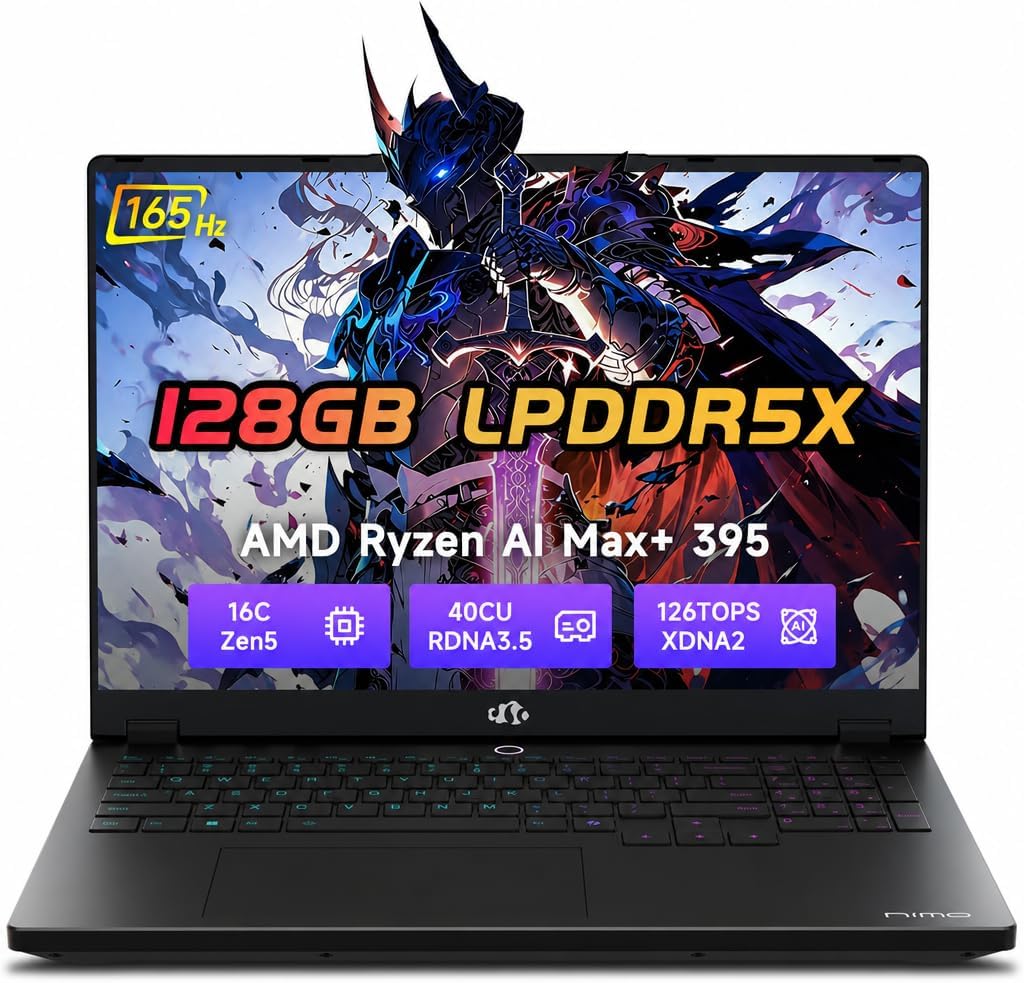
The NIMO 16 inch Linux AI Laptop stands out as a powerhouse for researchers and developers working with large language models locally. With 128GB of RAM it supports massive datasets and complex simulations effortlessly.
We may earn a commission when you buy through this link, at no additional cost to you.
Pre-installed Linux ensures full control over the development environment while the Ryzen Max+ processor provides dedicated AI acceleration. The 1TB SSD offers ample space for training models and storing project files.
The cost is significant and might not be necessary for standard web development or general office tasks. Additionally the weight of the large battery may make it less ideal for frequent travelers.
This machine is perfect for AI engineers who need local compute power without relying on cloud subscriptions. The premium build and unique features justify the investment for specialized professional workflows.
Fine-tune large language models directly on your device ensuring privacy and eliminating cloud costs.
The AMD Ryzen Max+ processor delivers exceptional compute power for demanding technical applications.
We may earn a commission when you buy through this link, at no additional cost to you.
This HP 17 Business Laptop emphasizes workspace with a large screen and substantial memory for heavy multitasking. It is well-designed for users who prefer a desktop-like experience on a portable device.
We may earn a commission when you buy through this link, at no additional cost to you.
The combination of a PCIe NVMe SSD and a 1TB HDD offers both speed and bulk storage for files. Linux Mint Cinnamon provides a stable environment that works well with older hardware generations.
Portability is compromised due to the size and weight of the chassis and larger battery. The screen resolution is also lower than typical Full HD standards which might affect visual clarity.
Ideal for office work or data entry where screen real estate matters most. The storage capacity ensures you won't run out of space for archives or media libraries.
The 17.3 inch display allows for multiple windows side by side improving workflow efficiency.
Dual storage drives provide a balance between fast application loading and large file storage.
We may earn a commission when you buy through this link, at no additional cost to you.
Another variant of the Slim 3 series this model adds a touchscreen which enhances usability for creative professionals and presenters. The AMD Ryzen 7 ensures that touch interactions remain smooth even with complex interfaces.
We may earn a commission when you buy through this link, at no additional cost to you.
The 16GB RAM supports seamless switching between applications while the sleek design keeps it easy to carry. Linux integration is seamless allowing for efficient workflow with digital stylus inputs.
Touchscreens can introduce glare in bright environments and may reduce battery life slightly. The price is higher than the non-touch version which might not be worth it for text-only developers.
Buy this if you frequently interact with diagrams or use note-taking apps that support pen input. The build quality remains consistent with the rest of the Slim 3 line.
Touch capabilities allow for intuitive navigation and drawing directly on the screen.
The Ryzen 7 processor maintains high performance standards even with added graphics demands.
We may earn a commission when you buy through this link, at no additional cost to you.
This HP 14 inch Laptop is designed for cloud-first workflows where local resources are minimized. While it ships with Windows the lightweight hardware is suitable for dual-booting Linux or running virtual machines.
We may earn a commission when you buy through this link, at no additional cost to you.
The Intel N150 processor is efficient for basic browsing and lightweight coding tasks. The inclusion of cloud storage helps bypass the limited local storage for media and project files.
4GB of RAM is a bottleneck for running modern IDEs or multiple browser tabs simultaneously. It is more suitable for casual use or as a secondary device for specific tasks.
Select this model if you prioritize portability and rely heavily on cloud services. The price is very competitive for those needing a secondary Linux-capable device.
Integration with cloud storage solutions allows you to work without local file constraints.
Its small form factor makes it easy to slip into a backpack for on-the-go work.
We may earn a commission when you buy through this link, at no additional cost to you.
The NIMO 16 inch Laptop is a specialized tool for those who need to run large language models without external servers. Its hardware is optimized specifically for AI workloads and high bandwidth data transfer.
We may earn a commission when you buy through this link, at no additional cost to you.
Linux support ensures full access to AI frameworks and tools without compatibility issues. The 128GB RAM allows multiple models to run concurrently or large datasets to be processed in memory.
The price is prohibitive for general users who do not need AI inference capabilities. It is also physically larger than standard ultrabooks due to the cooling requirements.
This is the ultimate choice for AI researchers and privacy-focused developers. The ability to fine-tune models locally adds significant value for professional workflows.
Processing data locally means sensitive information never leaves your physical machine.
Integrated graphics rival discrete GPUs allowing for faster rendering in creative tasks.
We may earn a commission when you buy through this link, at no additional cost to you.
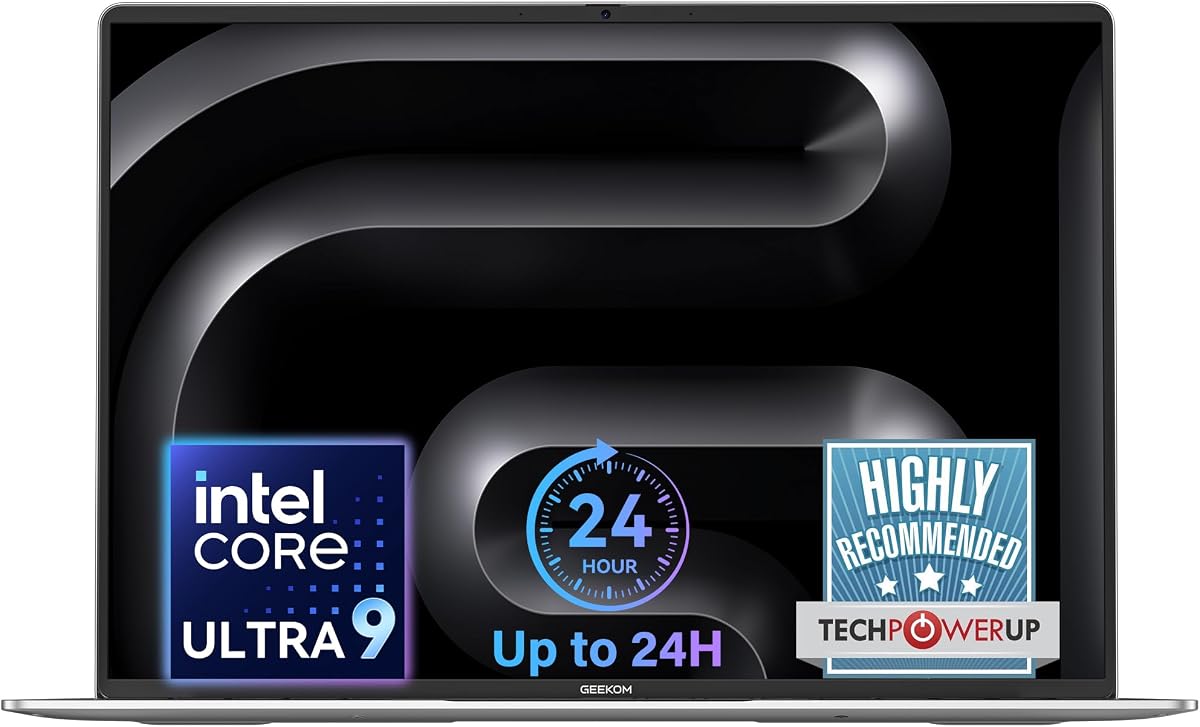
The GEEKOM GeekBook M16 boasts an impressive battery life that can last up to 24 hours under light usage. This makes it ideal for long workdays or travel without needing frequent recharging.
We may earn a commission when you buy through this link, at no additional cost to you.
The Intel Core Ultra 9 processor maintains high performance even when running on battery power thanks to intelligent power management. The cooling system ensures that performance does not throttle under heavy load.
The initial cost is high and the charging brick is bulky enough to make travel less convenient. Linux compatibility may need to be verified for specific drivers depending on your distro.
Choose this if you are always on the move and need a reliable machine that lasts all day. The performance is balanced with efficiency to ensure longevity during travel.
The optimized power system ensures you work uninterrupted for extended periods.
Advanced cooling technology keeps the system cool during intensive workloads.
We may earn a commission when you buy through this link, at no additional cost to you.
This HP 17.3 Inch Business Laptop Computer offers a large workspace that is beneficial for data entry and spreadsheet work. The IPS display ensures clear visibility even from wide angles.
We may earn a commission when you buy through this link, at no additional cost to you.
The AMD Ryzen 5 processor provides stable performance for office applications and web browsing. Wi-Fi 6 ensures fast network connectivity for cloud-based applications and large file transfers.
It ships with Windows but the hardware is capable of dual-booting Linux if needed. The size makes it less convenient to carry around compared to 14 inch models.
Ideal for stationary workstations or roles requiring extensive screen space. The build quality is robust enough for daily office use and heavy data tasks.
The large IPS screen provides ample space for multiple open documents and windows.
Wi-Fi 6 support ensures you stay connected to high-speed networks with low latency.
We may earn a commission when you buy through this link, at no additional cost to you.
The Lenovo ThinkPad L14 Gen 5 comes with a Vanilla Linux System providing a clean slate for system administrators. The AMD Ryzen 5 PRO processor ensures stable performance in professional environments.
We may earn a commission when you buy through this link, at no additional cost to you.
Fingerprint security adds a layer of protection for sensitive data and quick access. The 14 inch WUXGA display offers sharp resolution suitable for reading logs and code.
The keyboard comes in a French layout with stickers provided for English users which might affect typing feel. Storage is limited to 256GB so additional drives may be required for heavy workloads.
This device is excellent for IT professionals who need a secure and portable Linux machine. The ThinkPad reputation ensures durability and reliable support for business tasks.
Biometric security features protect your data and simplify the login process.
Vanilla Linux ensures compatibility and control over the software environment.
We may earn a commission when you buy through this link, at no additional cost to you.
Choosing a Linux laptop requires evaluating hardware compatibility and performance to match your specific workflow needs.
Look for laptops that come pre-installed with distributions like Ubuntu or Mint to ensure drivers are tested. If buying a Windows machine check if the manufacturer provides Linux support or open-source drivers.
A pre-installed Linux OS saves time and reduces the risk of hardware incompatibility during setup.
For development and multitasking choose at least an 8-core processor to handle compilers and virtual machines efficiently. AMD Ryzen 7 or Intel Core i5 and above are generally safe choices for performance.
Higher core counts ensure your system remains responsive during complex build processes and heavy workloads.
Minimum 16GB of RAM is recommended for smooth multitasking while running multiple containers or virtual environments. Power users should look for 32GB or more to handle large datasets without swapping to disk.
Adequate memory prevents bottlenecks when compiling code or managing multiple applications simultaneously.
NVMe SSDs are essential for fast boot times and quick file access. A capacity of 512GB or more is ideal to store development tools and project files locally.
Fast storage reduces wait times during system updates and project compilation tasks.
Integrated graphics are sufficient for most coding tasks but discrete GPUs may be needed for machine learning or 3D rendering. Ensure the Linux kernel supports your specific graphics chip for optimal performance.
Compatible graphics hardware ensures smooth rendering and support for creative professional applications.
A Full HD or higher resolution ensures text remains sharp during long coding sessions. Larger screens like 15.6 inch or 17 inch offer better real estate for side-by-side windows.
High quality displays reduce eye strain and improve readability for text-based workflows.
Ensure the laptop has sufficient USB-A and USB-C ports for your peripherals. Ethernet ports are a bonus for stable network connections in server management tasks.
Adequate ports allow you to connect all necessary devices without relying on adapters.
If you work remotely choose a lightweight model with at least 8 hours of battery life. Durability features like spill-resistant keyboards are valuable for daily use.
Long battery life ensures you can work on planes or in locations without easy access to power.
Install essential development tools like compilers and editors immediately after setup to ensure a ready-to-use environment. Use the package manager to keep all software up to date for security and stability.
Regularly backup your data to an external drive or cloud service to prevent loss during system upgrades. Use Linux backup tools to schedule automatic backups for critical project files.
Keep the laptop in a cool environment to prevent overheating during intensive tasks. Clean the keyboard and ports periodically to maintain physical condition and airflow efficiency.
Most models support major distributions like Ubuntu and Mint out of the box. However compatibility can vary so check the manufacturer's support page for specific driver notes before purchasing.
Yes you can install Linux on most Windows laptops by creating a bootable USB and configuring the BIOS. However pre-installed Linux models ensure better hardware integration and support.
AMD Ryzen 7 and Intel Core i7 processors offer excellent multi-core performance for compiling code. They provide a balance of power and efficiency suitable for most development tasks.
Yes 16GB is sufficient for most web development and general coding tasks. For heavy virtualization or AI tasks consider 32GB or more for better performance.
Pre-installed systems ensure drivers are configured correctly and save time on setup. They often come with optimized power management and security settings ready for immediate use.
Most laptops listed support dual booting with careful partitioning. Be sure to backup your data before modifying partitions to avoid accidental data loss.
Warranties usually last between one to three years depending on the manufacturer and region. Always check the specific terms for the laptop you are considering before buying.
The NIMO 16 inch Linux AI Laptop is designed specifically for local AI inference. Its high RAM and processor support make it ideal for running large language models locally.
We have reviewed ten top laptops for Linux that cover various needs from budget-friendly options to premium AI research machines. Each model brings unique strengths to support development and professional workflows effectively.
Prioritize hardware compatibility and memory capacity to ensure smooth performance for your specific tasks. Selecting the right processor will also impact how efficiently your code compiles and runs.
Prices fluctuate frequently so check current listings before making your final decision. Investing in a reliable machine will pay off in productivity and stability over time.