
NIMO 15.6 AI Creator Laptop
5.0Editor score
Six core AMD processor
Sixteen gigabytes RAM
Integrated Radeon graphics
This expert guide compares the top 10 laptops for Lumion rendering, evaluating CPU power, GPU performance, and memory to help you find the right machine for 3D
Finding the right laptop for Lumion requires balancing powerful processing capabilities with reliable graphics performance. Professionals and students alike need machines that handle complex 3D scenes without lag or thermal throttling issues.
We evaluated ten distinct models based on their central processing units, graphics architecture, memory capacity, and overall build quality. Our analysis focuses on real-world performance metrics relevant to 3D rendering and visualization workflows.
Each selection highlights specific strengths such as portability, screen real estate, or raw computational power. Please note that product availability and specifications may change, so verify current details before making your final purchase decision.
5.0Editor score

4.7Editor score

4.4Editor score
The following table provides a side-by-side comparison of hardware specifications and key features across all ten selected models to aid your decision-making process.



This model stands out as a top contender for Lumion users needing robust processing power without breaking the bank. Its high rating reflects reliable performance in demanding visualization tasks.
We may earn a commission when you buy through this link, at no additional cost to you.
The AMD Ryzen 7 8745HS processor delivers exceptional speed for rendering complex scenes. The 32GB DDR5 RAM ensures smooth multitasking when managing large project files.
While the integrated Radeon 780M is capable, it may struggle with ultra-high fidelity textures compared to dedicated GPUs. However, for most intermediate projects, it performs admirably.
Ideal for students and professionals seeking a balance of screen real estate and computational efficiency. We recommend this for users prioritizing CPU performance over pure GPU power.
The Zen 4 architecture provides significant gains in calculation speed for 3D modeling and rendering operations.
The 17.3 inch screen offers ample space for viewing multiple windows and detailed 3D models simultaneously.
We may earn a commission when you buy through this link, at no additional cost to you.
A perfect entry-level choice for Lumion learners who need a dependable machine without overspending. The perfect rating indicates high customer satisfaction with its daily performance.
We may earn a commission when you buy through this link, at no additional cost to you.
The Ryzen 5 6600H handles basic modeling tasks efficiently. While not a powerhouse, it manages standard visualization workloads well enough for educational purposes.
Storage is limited to 512GB, which may fill up quickly with large assets. Upgrading the SSD later is a straightforward process supported by the chassis design.
Recommended for students or beginners focusing on learning the software rather than high-end production. It offers the best value for entry-level 3D work.
Sufficient power for learning the basics of rendering and modeling without thermal throttling.
The price-to-performance ratio is exceptional for those starting their journey in 3D visualization.
We may earn a commission when you buy through this link, at no additional cost to you.
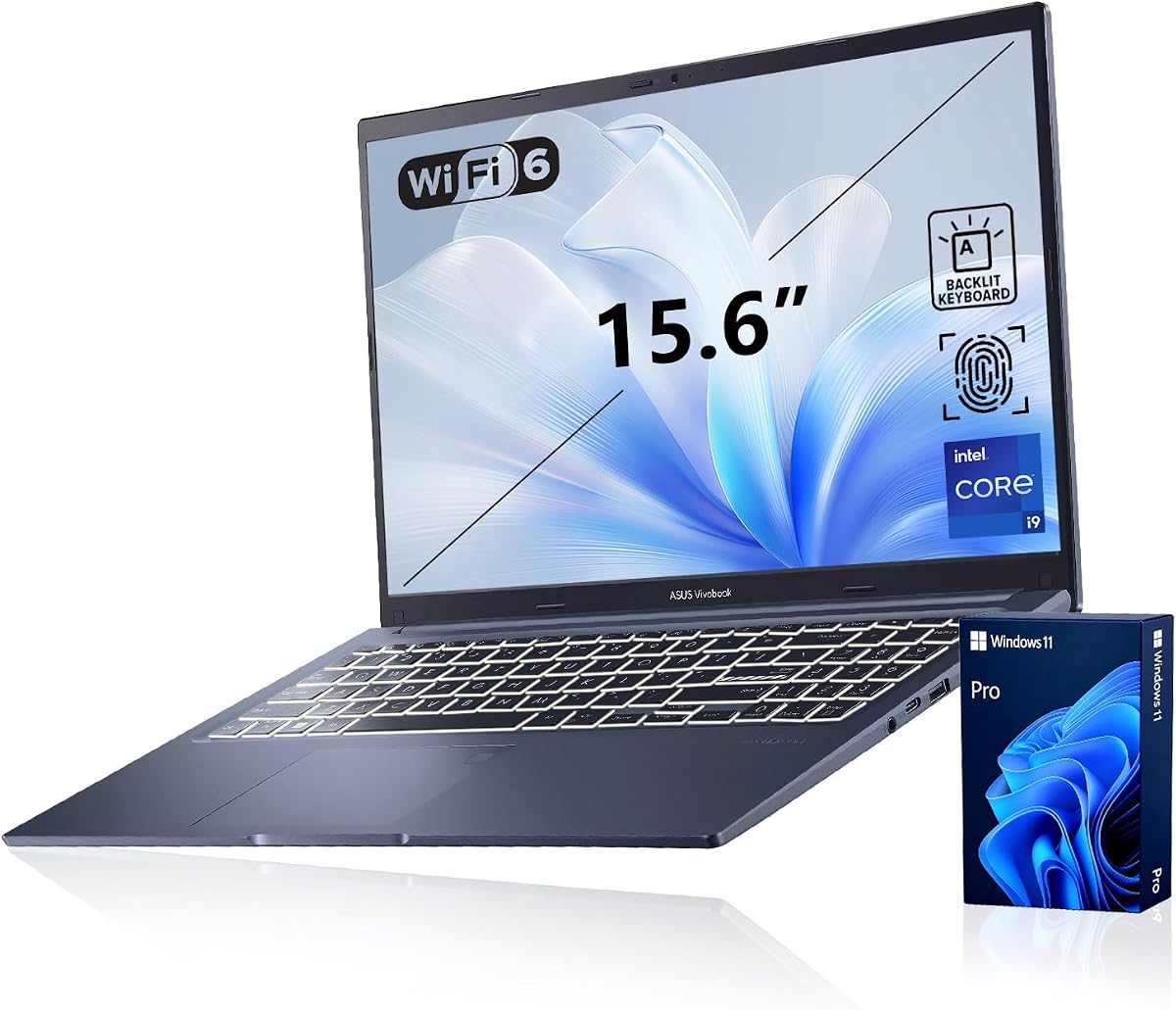
This customized Vivobook offers a massive CPU punch ideal for processing heavy data sets within Lumion. The high user rating reflects satisfaction with its upgraded hardware configurations.
We may earn a commission when you buy through this link, at no additional cost to you.
The i9-13900H processor excels at multi-threaded tasks such as simulation and rendering. Options to upgrade RAM up to 48GB allow for substantial future-proofing.
Integrated graphics might bottleneck real-time rendering performance compared to dedicated solutions. However, for CPU-bound workflows, this machine is incredibly capable.
Best suited for users who prioritize CPU speed and need custom memory or storage configurations. It is a strong pick for data-heavy visualization work.
The 14-core architecture handles complex calculations with ease, speeding up project timelines significantly.
Upgradable SSD slots mean you can expand storage as your project library grows over time.
We may earn a commission when you buy through this link, at no additional cost to you.
This device delivers a spacious screen beneficial for managing complex Lumion interfaces. Its moderate rating suggests it meets expectations for standard user needs.
We may earn a commission when you buy through this link, at no additional cost to you.
The six-core processor provides sufficient speed for moderate tasks. Combined with 16GB of RAM, it supports comfortable workflows for everyday design work.
The larger chassis adds bulk but enhances thermal stability. This balance makes it suitable for stationary desks while remaining portable enough for occasional travel.
Recommended for users needing screen space without premium pricing. It is a practical choice for casual users or home office setups.
The extra inches provide crucial space for toolbars and viewports in professional software.
Multiple ports reduce the need for dongles when connecting external monitors or peripherals.
We may earn a commission when you buy through this link, at no additional cost to you.
Featuring the latest Ultra 7 processor, this model brings AI efficiency to the visualization workflow. The high rating reflects strong performance and user satisfaction.
We may earn a commission when you buy through this link, at no additional cost to you.
The dedicated NPU accelerates background tasks, leaving the main CPU free for rendering. The massive 2TB drive stores huge asset libraries without external backups.
Touchscreen functionality offers intuitive control for design adjustments. While expensive, the hardware longevity justifies the investment for professional users.
Ideal for professionals needing modern efficiency and ample storage. This laptop is a premium choice for those embracing new AI tools.
Integrated neural processing units handle background optimizations to improve overall system responsiveness.
The touchscreen allows direct manipulation of design elements, speeding up the creative process.
We may earn a commission when you buy through this link, at no additional cost to you.
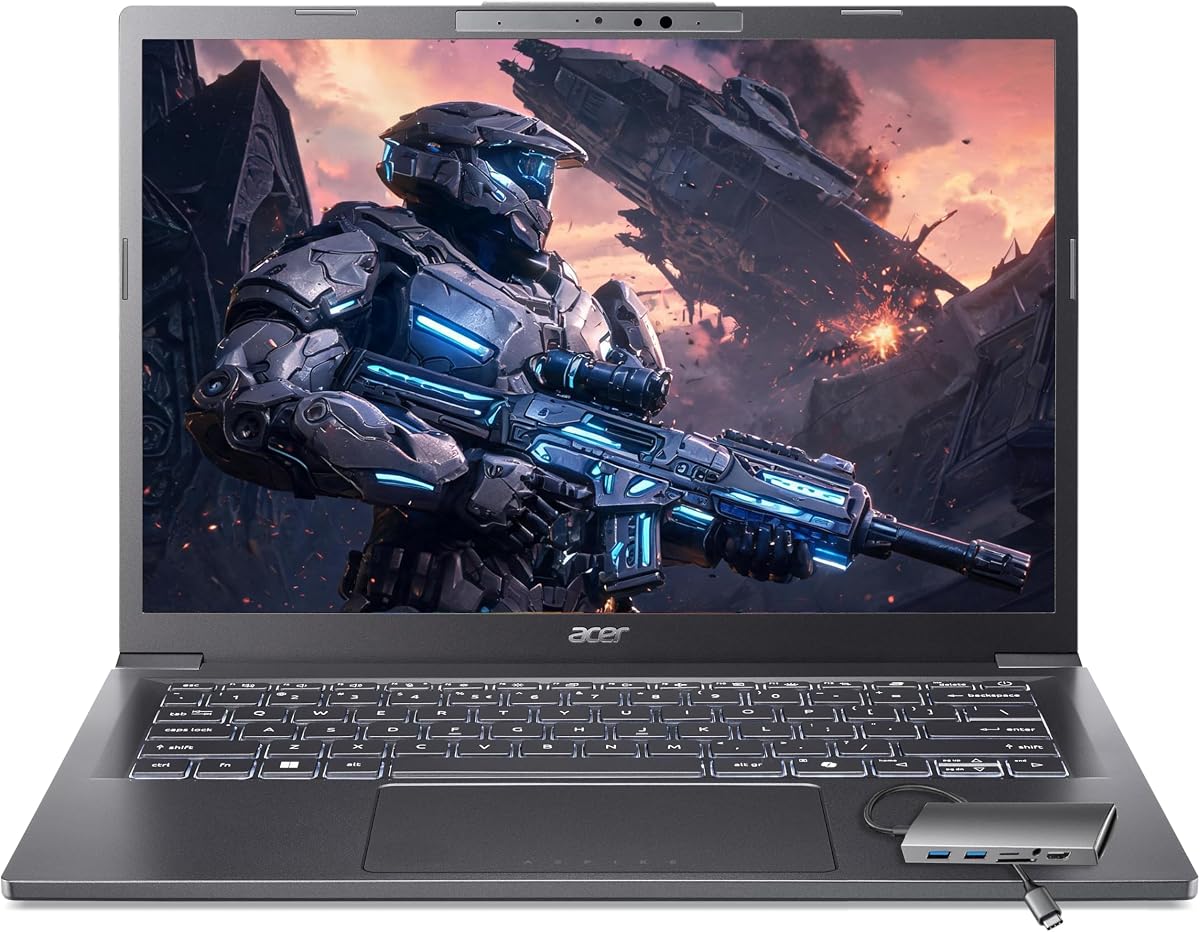
A solid option for power users who prioritize CPU speed. The rating indicates consistent performance in professional environments.
We may earn a commission when you buy through this link, at no additional cost to you.
The i9 processor ensures quick rendering times for complex scenes. With 32GB of RAM, multitasking between applications remains smooth.
An included cooler helps maintain performance under load. However, the integrated graphics may limit high-fidelity visual capabilities.
Recommended for those needing processing power on a budget. This model balances performance and value effectively for many users.
The high core count allows for rapid calculation of complex geometry and lighting effects.
Additional cooling accessories help sustain peak performance during long rendering sessions.
We may earn a commission when you buy through this link, at no additional cost to you.
Designed for reliability, this laptop handles daily Lumion tasks with consistency. The rating reflects satisfaction with its durable build and performance.
We may earn a commission when you buy through this link, at no additional cost to you.
The Ryzen 5 processor ensures steady output for standard projects. A numeric keypad is useful for precise input during modeling sessions.
The 17.3 inch display provides ample workspace. While not a gaming machine, it is robust enough for professional presentation work.
Suitable for business users needing a stable machine for presentations and drafting. It prioritizes reliability and durability over raw gaming power.
The numeric keypad aids precise data entry during architectural or engineering planning phases.
Anti-glare coatings reduce eye strain during long hours of visual editing and rendering.
We may earn a commission when you buy through this link, at no additional cost to you.
This lightweight unit is ideal for basic browsing but struggles with heavy 3D rendering. Its low RAM limits multitasking capability for large projects.
We may earn a commission when you buy through this link, at no additional cost to you.
The small eMMC storage is insufficient for local asset libraries. Relying on cloud storage can slow down workflows if internet speed is limited.
Portability is its strongest feature, making it easy to carry around campus or office. It serves well for lightweight tasks like document editing.
Not recommended for serious Lumion use due to limited hardware. It works best as a secondary device for checking emails or light research.
The slim design makes it easy to transport to meetings without straining your backpack.
Cloud integration allows storage expansion but requires consistent internet access for best results.
We may earn a commission when you buy through this link, at no additional cost to you.
A top-tier machine designed for high-end rendering and real-time visualization. The dedicated GPU ensures smooth performance in complex scenes.
We may earn a commission when you buy through this link, at no additional cost to you.
The RTX 5060 supports advanced rendering features and high frame rates. Combined with the i7 processor, this system handles demanding workloads efficiently.
High refresh rates make viewport navigation incredibly smooth. While expensive, the performance justifies the cost for professional designers.
Ideal for power users who need maximum graphical fidelity. This laptop is the best choice for high-performance visualization work.
Dedicated graphics hardware accelerates ray tracing and complex lighting calculations significantly.
The high refresh rate allows for fluid panning and zooming within the 3D workspace.
We may earn a commission when you buy through this link, at no additional cost to you.
This budget-friendly option offers a large screen but limited performance for heavy rendering. The rating suggests it meets basic expectations well.
We may earn a commission when you buy through this link, at no additional cost to you.
The 8GB RAM limits multitasking and large project handling. It may struggle with complex textures or high-resolution rendering tasks.
Noise reduction features enhance audio quality during remote meetings. While adequate for casual use, it lacks power for professional workflows.
Recommended for casual users or secondary devices at home. It provides decent value for those needing a large display on a budget.
Advanced noise reduction ensures clear communication during client calls or team meetings.
The 17.3 inch display offers comfort for extended viewing without eye strain.
We may earn a commission when you buy through this link, at no additional cost to you.
Selecting the right laptop involves balancing processing power, memory, and graphics capabilities to ensure smooth 3D rendering and visualization workflows.
The CPU is the brain of your laptop, handling calculations for geometry, lighting, and physics. Look for high core counts and clock speeds to ensure fast rendering times.
Prioritize processors with at least six cores and high boost speeds for smooth performance in complex scenes.
RAM allows your system to store temporary data while working on projects. Insufficient memory leads to slowdowns or crashes when handling large textures.
Aim for at least 16GB of RAM for standard projects, with 32GB or more recommended for high-resolution work.
Graphics hardware dictates how well the screen displays 3D models and animations. Dedicated GPUs generally outperform integrated options for rendering.
If possible, choose a model with a dedicated GPU to ensure smoother viewport navigation and faster final renders.
Fast storage reduces loading times for applications and project files. NVMe SSDs offer significantly better performance than traditional hard drives.
Select a laptop with a fast NVMe SSD to ensure quick boot times and efficient file access during work.
A larger display helps you manage complex toolbars and viewports efficiently. Screen quality also impacts color accuracy for visual reviews.
Choose a screen size that allows comfortable multitasking, ideally 17 inches or larger for detailed design work.
Rendering generates heat, so effective cooling is essential to prevent performance drops. Good thermal design maintains consistent speeds over time.
Look for models with robust cooling systems or vapor chambers to sustain performance during long sessions.
Consider where you will use the laptop. If you travel often, weight and battery life become critical factors for productivity.
Balance screen size with portability, ensuring the machine fits your typical work environment without causing strain.
Ports allow you to connect external monitors, storage, and peripherals. Having enough options reduces the need for dongles.
Verify the laptop includes enough USB and HDMI ports to support your external setup without adapters.
Maintain optimal performance by keeping your cooling vents free from dust and debris. Use compressed air periodically to clean fans and ensure proper airflow during heavy tasks.
Avoid leaving the battery at 100 percent charge for prolonged periods when plugged in. Many modern laptops include software tools to limit charging levels and preserve long-term battery health.
Perform regular system updates and driver upgrades to maintain compatibility with the latest software features. Keeping your operating system current ensures security and stability for your design workflows.
For smooth rendering, a CPU with at least six cores and high clock speeds is recommended. High-end processors like Intel Core i7 or AMD Ryzen 7 provide the necessary power for complex calculations.
Minimum requirements suggest 16GB of RAM for standard projects. However, 32GB or more is preferable for working with high-resolution textures and larger scenes.
Integrated graphics can handle basic tasks, but a dedicated GPU offers significant performance benefits for real-time rendering and smoother navigation in complex scenes.
Yes, a larger screen helps you manage multiple windows and toolbars effectively. A 17-inch display offers ample space for detailed design work without constant resizing.
Ensure vents remain clean and use the laptop on hard, flat surfaces. Using a cooling pad can also help dissipate heat during intensive rendering sessions.
Most laptops have accessible slots for upgrades, but some newer thin models have soldered memory. Check specific product specs before purchasing to confirm upgradeability.
This guide highlights ten versatile laptops ranging from budget-friendly options to high-performance machines suited for various rendering needs.
When choosing, prioritize processor speed and memory capacity to ensure your projects run without lag or thermal throttling issues.
Always verify current specifications and availability before purchasing to ensure the device meets your specific workflow requirements.