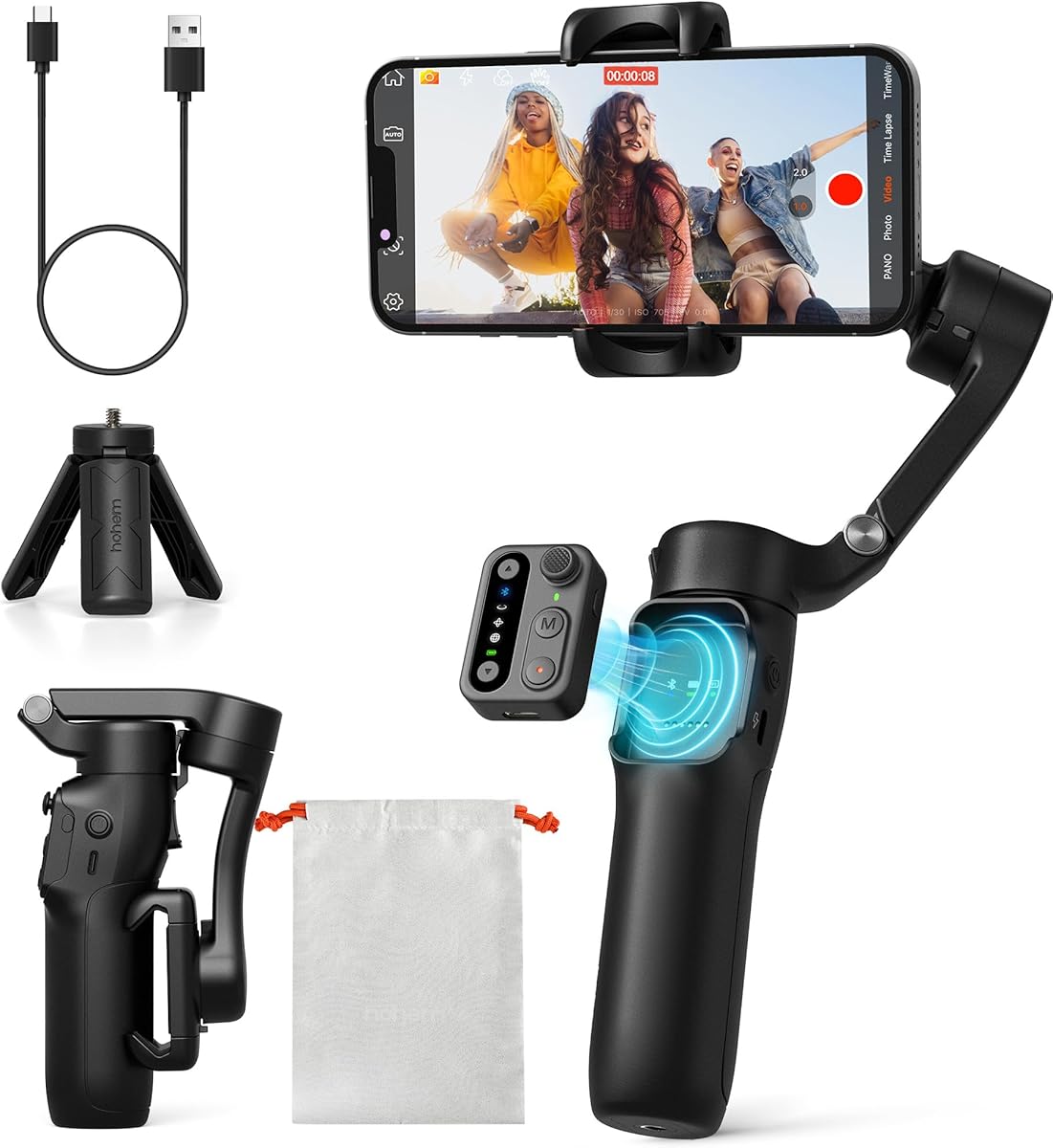
hohem iSteady X3 SE
4.2Editor score
Detachable remote controller
11-hour battery life
Foldable design
Capturing smooth footage while climbing requires specialized gear. A quality gimbal stabilizes your camera against rough terrain and rapid movements. Choosing the right tool ensures your mountain memories remain steady and professional.
We evaluated ten top-rated gimbals based on performance, durability, and ease of use. Our analysis covers phone stabilizers, action camera mounts, and hybrid options. Each product offers unique features tailored to outdoor filming needs.
This guide highlights key strengths and potential limitations for every model. Prices and availability may change, so verify details before purchasing. Use these insights to select the perfect stabilizer for your next expedition.
4.2Editor score

4.5Editor score

4.5Editor score
As an Amazon Associate we earn from qualifying purchases.
This table compares key specifications across all ten gimbals to help you find the ideal match for your mountaineering video needs.


The DJI Osmo Mobile 8 stands out as a versatile tool for smartphone creators. With robust 3-axis stabilization and advanced tracking, it ensures smooth footage even during dynamic outdoor activities. Its integration of audio and lighting adds significant value for vloggers.
We may earn a commission when you buy through this link, at no additional cost to you.
Key strengths include seamless 360-degree pan rotation and intelligent subject tracking. The built-in tripod and selfie stick enhance flexibility without extra gear. Battery life supports extended shooting sessions, making it ideal for day-long hikes or travel.
Trade-offs involve platform app limitations and potential connection quirks. While performance is strong, users may need to download the app manually. These issues are minor compared to the overall stability and feature set provided.
This gimbal suits content creators prioritizing ease of use and professional results. Its portability and quick setup make it perfect for spontaneous filming on the go. For mountaineering enthusiasts capturing phone footage, it delivers exceptional value.
Native tracking with audio and lighting ensures your subject stays sharp and well-lit in varying conditions.
The built-in tripod and extension rod eliminate the need for separate accessories, simplifying your setup.
We may earn a commission when you buy through this link, at no additional cost to you.
The DJI Osmo Mobile 7 offers exceptional value for creators seeking reliable stabilization. Its lightweight design ensures comfort during extended use while maintaining professional-grade 3-axis stabilization. ActiveTrack 7.0 provides accurate subject tracking across diverse scenarios.
We may earn a commission when you buy through this link, at no additional cost to you.
Performance highlights include dual-lens enhanced tracking and seamless foldable storage. The ergonomic anti-slip handle reduces fatigue during long shoots. USB-C charging allows the gimbal to power your phone, extending runtime during outdoor adventures.
Users should note the removal of the app from Google Play, requiring manual downloads. Additionally, it lacks a built-in tripod, necessitating separate accessories for static shots. These factors slightly impact convenience but do not hinder core performance.
Ideal for budget-conscious vloggers and travelers, this gimbal balances cost and capability effectively. Its compact form factor makes it easy to pack for mountaineering trips. For consistent smartphone footage, it remains a top contender.
Dual-lens technology enables smarter tracking that adapts to fast movements and close-up shots effortlessly.
Weighing only 300 grams, it offers a comfortable grip that minimizes strain during long recording sessions.
We may earn a commission when you buy through this link, at no additional cost to you.
The Hohem iSteady Pro 4 excels at stabilizing action cameras for rugged outdoor use. Its IPX4 splashproof rating ensures protection against rain and snow, making it reliable for challenging weather. Bluetooth connectivity allows shutter control without extra cables.
We may earn a commission when you buy through this link, at no additional cost to you.
Stabilization performance is enhanced by the iSteady 5.0 algorithm, delivering smooth footage during high-motion activities. The 14-hour battery life supports all-day filming, and the device can charge your camera while shooting. Quick mounting simplifies setup on the trail.
Compatibility notes indicate limitations with specific GoPro models like the White and Silver variants. Control features may not work on all supported cameras. These restrictions are minor but worth verifying before purchase for your specific gear.
Best suited for adventure photographers using GoPro or similar action cameras, this gimbal offers durability and versatility. Its power bank capability adds convenience for remote expeditions. For mountaineering video, it provides robust stabilization and weather resistance.
The IPX4 splashproof rating ensures reliable operation even in rainy or snowy mountain conditions.
Low-energy Bluetooth connectivity boosts battery life by 50% compared to previous WiFi models.
We may earn a commission when you buy through this link, at no additional cost to you.
This variant of the Hohem iSteady Pro 4 offers quick release mounting and creative modes for dynamic footage. The 3-second quick-release clip simplifies camera swaps during expeditions. Inception mode enables mind-bending transitions that enhance storytelling.
We may earn a commission when you buy through this link, at no additional cost to you.
Performance matches the standard model with 3-axis stabilization and IPX4 water resistance. The 14-hour battery ensures uninterrupted recording, and the power bank feature supports camera charging. Bluetooth and cable control options provide flexibility for various setups.
Limitations include restricted control over certain action cameras, where only stabilization functions. Users may need to rely on manual camera settings for some shots. These trade-offs are acceptable given the robust stabilization and build quality.
Ideal for adventurers seeking creative control and reliability, this gimbal supports diverse action camera brands. Its ease of use and long battery life make it practical for mountaineering. For smooth action footage, it delivers consistent results.
Inception mode unlocks 600-degree rotations for dynamic, professional-looking transitions in your videos.
The spring-loaded clip allows mounting or detaching your camera in just three seconds without tools.
We may earn a commission when you buy through this link, at no additional cost to you.
The hohem iSteady X3 SE delivers professional stabilization at an accessible price point. Its detachable magnetic remote enables flexible shooting angles without holding the device directly. Advanced iSteady 8.0 technology ensures smooth footage during jogging or jumping.
We may earn a commission when you buy through this link, at no additional cost to you.
Key features include a compact foldable design and 11-hour battery life. The app offers AI tracking and gesture control, simplifying content creation for beginners. High payload capacity accommodates larger smartphones with cases or accessories.
Trade-offs involve a less premium build and basic app functionality compared to higher-end models. Some users may find the remote connectivity range limited. However, for the price, performance and features remain competitive for most users.
Best for new creators or travelers seeking affordability, this gimbal simplifies mobile video production. Its ease of use and portability make it suitable for casual mountaineering. For budget-friendly stabilization, it offers strong value.
The detachable magnetic remote allows you to control shots from up to 32 feet away effortlessly.
Vertical and horizontal screen switching is effortless, making it ideal for social media content creation.
We may earn a commission when you buy through this link, at no additional cost to you.
The DJI Osmo Mobile 7P enhances vlogging with native tracking and integrated audio support. Its multifunctional module allows connection to DJI Mic receivers, improving sound quality. Magnetic mounting ensures quick attachment and detachment for spontaneous shots.
We may earn a commission when you buy through this link, at no additional cost to you.
Performance includes seamless stabilization and ShotGuides for professional editing. The extension rod and tripod support wide-angle selfies without extra gear. Battery life delivers 10 hours of operation, with extra power provided to your phone during use.
Limitations involve the need to purchase the module separately and manual app installation. These factors add cost and steps but significantly enhance functionality for serious creators. The benefits outweigh minor inconveniences for most users.
Ideal for content creators needing integrated audio, this gimbal simplifies complex setups. Its stability and smart features make it great for dynamic outdoor filming. For high-quality vlogs, it combines ease of use with professional capabilities.
The multifunctional module packs intelligent tracking and Mic reception for ideal audio-visual results.
Magnetic design allows effortless mounting with the app popping up automatically for immediate filming.
We may earn a commission when you buy through this link, at no additional cost to you.
The DJI RS 3 Mini offers professional stabilization in a compact, lightweight form factor. Weighing only 795 grams, it is easy to carry on extended treks while supporting up to 2 kilograms of camera gear. Bluetooth shutter control simplifies recording.
We may earn a commission when you buy through this link, at no additional cost to you.
Performance features include the 3rd-gen RS stabilization algorithm and native vertical shooting. The 1.4-inch touchscreen provides intuitive access to settings. It supports a wide range of Canon, Sony, and Nikon cameras for versatile use.
Trade-offs include the requirement to download the app manually and limited included accessories. Users may need additional plates or mounting hardware for specific lenses. These are minor compared to the gimbal's robust performance and portability.
Best for DSLR or mirrorless users seeking portability, this gimbal balances weight and strength effectively. Its compatibility and stabilization make it suitable for serious mountaineering cinematography. For professional-quality video, it is a reliable choice.
At just 1.75 pounds, it is ultra-compact and easy to hold for extended shooting sessions.
Bluetooth shutter allows automatic reconnection and easy photo capture and video recording via the gimbal.
We may earn a commission when you buy through this link, at no additional cost to you.
The DJI Osmo Pocket 3 combines a powerful 1-inch sensor with a 3-axis mechanical gimbal for stunning footage. It records 4K video at 120fps and features a rotating 2-inch touchscreen for flexible framing. ActiveTrack 6.0 keeps subjects in focus automatically.
We may earn a commission when you buy through this link, at no additional cost to you.
Performance highlights include immersive stereo audio and D-Log M color depth for grading. Its compact size ensures portability without sacrificing quality. Fast autofocus locks onto subjects for sharp details even during action sequences.
Trade-offs involve a higher price point and fewer external accessories included. The rotating screen may not suit all mounting setups. These are acceptable for the premium image quality and all-in-one design it provides.
Ideal for creators needing high-end quality in a small package, this camera is perfect for mountaineering. Its stabilization and image performance deliver cinematic results. For professional vlogs, it is a top-tier choice.
The 1-inch CMOS sensor captures breathtaking clarity and low-light performance unmatched by smaller sensors.
The rotating 2-inch screen allows seamless transitions between horizontal and vertical composition instantly.
We may earn a commission when you buy through this link, at no additional cost to you.
The FeiyuTech SCORP Mini-3-Pro supports multiple camera types from smartphones to mirrorless systems. Its built-in AI tracking follows subjects without an app, using gestures for hands-free control. The detachable handle acts as a wireless remote for shots.
We may earn a commission when you buy through this link, at no additional cost to you.
Stabilization performance is enhanced by active phone cooling and 14-hour battery life. The quick-release plate supports diverse lens combinations. Its 4.4-pound payload capacity ensures compatibility with heavier rigs for professional work.
Limitations include a steeper learning curve and heavier weight compared to phone-only gimbals. Users must configure settings carefully for optimal results. These trade-offs are manageable for those prioritizing versatility and tracking features.
Best for versatile setups requiring multiple device support, this gimbal excels in adaptability. Its AI tracking and cooling features support long shoots. For complex mountaineering projects, it delivers robust and flexible performance.
Built-in AI follows subjects with 0.003s response without needing external sensors or app connections.
The built-in phone cooling fan manages heat during extended recording and livestreaming sessions.
We may earn a commission when you buy through this link, at no additional cost to you.
The hohem iSteady MT3 Pro offers a 2.5kg payload with unique AI tracking and a detachable touchscreen remote. Its 2MP AI camera tracks subjects like humans or pets instantly. The remote enables live feed preview for precise framing remotely.
We may earn a commission when you buy through this link, at no additional cost to you.
Performance includes 20-hour battery life and a built-in CCT/RGB fill light. The iSteady 10.0 algorithm provides rock-solid stability even at full load. Fast vertical switching allows seamless transitions for social media without rebalancing.
Trade-offs involve a higher cost and complexity for new users. The device may require time to master all features. For professionals needing advanced control, these are justified by the extensive capabilities and payload support.
Best for heavy payloads and professional workflows, this gimbal supports mirrorless and compact cameras effectively. Its battery life and AI features simplify complex shots. For advanced mountaineering video, it delivers top-tier stability.
The detachable touchscreen remote lets you frame shots remotely with up to 10 meters wireless range.
Built-in CCT/RGB fill light ensures proper illumination in low-light outdoor environments.
We may earn a commission when you buy through this link, at no additional cost to you.
Selecting the right gimbal for outdoor adventure requires understanding specific needs and environmental conditions. This guide covers essential factors to consider.
Ensure the gimbal supports your camera weight plus accessories like lenses or lights. Underpowered motors struggle to stabilize heavy gear.
Check manufacturer specifications for max payload to match your device.
Long trips demand extended runtimes. Look for models offering at least 10 hours of continuous operation.
Consider gimbals with power bank features to charge your camera on the go.
Outdoor conditions often include rain or snow. Splashproof or water-resistant ratings protect internal electronics.
Choose units with IPX4 ratings or higher for reliable performance in wet environments.
Excess weight burdens climbers. Lightweight designs reduce fatigue during long treks.
Prioritize foldable models that fit easily into backpacks for convenience.
Smart tracking keeps subjects centered during movement. AI or optical tracking ensures smooth framing without constant manual input.
Verify tracking distance and speed compatibility with your activity level.
Quick setup saves time in the field. Intuitive interfaces and balance mechanisms allow fast transitions.
Choose user-friendly options with simple controls for stress-free filming.
Versatile mounts support different gear. Look for built-in tripods or quick-release clips for flexibility.
Check compatibility with standard accessories like extension rods or handles.
Apps enhance capabilities like editing or advanced tracking. Ensure app availability matches your device.
Read reviews on app stability and features before committing to specific brands.
Before each hike, calibrate the gimbal on flat ground to ensure smooth operation. Check all mounting points and tighten screws securely to prevent loosening during movement.
Clean the gimbal with a soft cloth after every outing to remove dust and moisture. Store it in a dry case when not in use to protect against corrosion.
Monitor battery levels regularly and carry spare chargers for long trips. Avoid exposing the device to extreme temperatures that could damage internal components or reduce battery life.
Most phone gimbals are designed for lighter devices under 500 grams. Mirrorless cameras typically exceed this weight, risking motor strain. Use a dedicated camera gimbal for proper support and stability.
For day-long treks, aim for at least 10 hours of runtime. Some models offer 14 to 20 hours, ensuring continuous recording without frequent recharging. Always carry extra power banks for extended trips.
Only splashproof models with IPX4 or higher ratings handle light moisture. Full waterproofing is rare. Protect your gimbal with a rain cover if you expect heavy precipitation.
Loosen axis locks and adjust the camera position until it stays centered without motor torque. Follow the manufacturer's guide for specific axis balancing steps to achieve stable footage.
Many action camera gimbals support GoPro and similar brands. Check compatibility lists to ensure mounting fit and control features. Some models allow shutter control via Bluetooth or cable.
Yes, most gimbals are foldable for compact storage. Ensure the case or compartment protects it from bumps and dust during transport.
We highlighted top picks like the DJI Osmo Pocket 3 for all-in-one quality and the Hohem iSteady MT3 Pro for heavy loads. Each model balances features tailored to outdoor filming.
Prioritize battery life, weather resistance, and payload based on your specific gear and trip duration. Ease of use ensures you capture moments without technical frustration.
Always check current availability and pricing before purchasing. Technology evolves rapidly, and new models may offer improved features suited to your mountaineering needs.