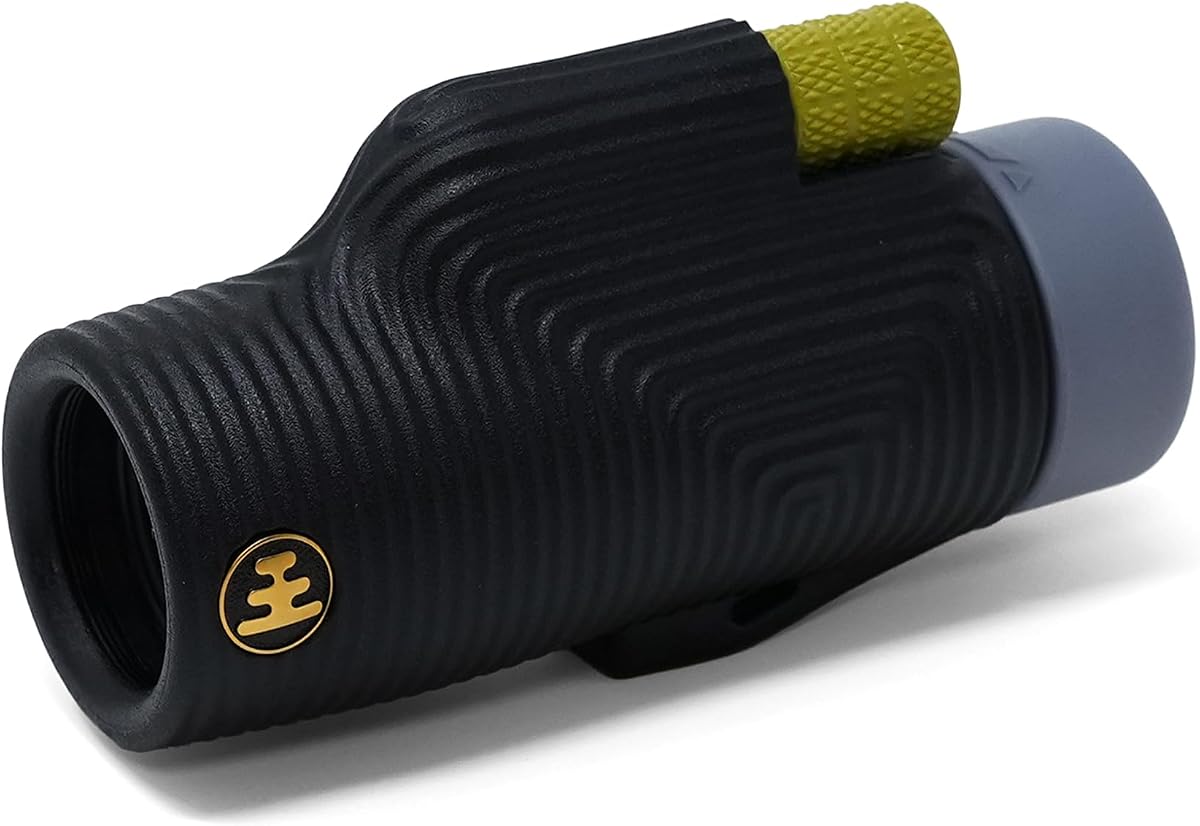
Nocs Provisions Zoom Tube 8×32 Monocular
4.6Editor score
Fully Multi Coated Optics
Swiss Designed Bak4 Prism
IPX4 Water Resistant
This comprehensive guide compares the top 10 birding monoculars of 2026 to help you find the perfect lightweight optical tool for clear wildlife viewing.
Birding monoculars offer a lightweight alternative to binoculars for spotting distant wildlife. They provide high magnification in a compact form factor that fits easily into your pocket or backpack for convenient field use.
We evaluated ten top-rated models based on optical clarity, build quality, portability, and user feedback. Our analysis focuses on features that matter most to birdwatchers, such as prism quality and water resistance.
Each pick in this list highlights specific strengths like zoom capability or rugged design. Note that prices and availability change frequently, so verify current details before making your final purchase decision today.
4.6Editor score
4.0Editor score

4.6Editor score
The following table provides a side-by-side comparison of all ten models to help you quickly identify key specifications and differences between the top options available on the market.
This model serves as an entry-level option for beginners looking to explore birding without a large investment. It offers basic magnification suitable for daytime viewing in good lighting conditions.
We may earn a commission when you buy through this link, at no additional cost to you.
The design focuses on portability, making it easy to carry during short walks. It provides a straightforward viewing experience without complex features or heavy materials.
Optical clarity may lack the brightness and color fidelity of higher-end models. The build materials are functional but may not withstand harsh weather or rough handling over long periods.
It is a suitable choice for casual observers who prioritize low cost and convenience. Users seeking professional-grade optics should consider more advanced options for detailed field work.
This unit provides a cost-effective way to try out monocular viewing before committing to expensive equipment.
Its small size allows it to fit in pockets or small bags for spontaneous wildlife spotting.
We may earn a commission when you buy through this link, at no additional cost to you.
This monocular is designed for users who value simplicity and ease of use in the field. It delivers consistent performance for general observation tasks without complex adjustments.
We may earn a commission when you buy through this link, at no additional cost to you.
The compact form factor ensures it does not add significant weight to your gear. It is ideal for quick glimpses of birds during casual hikes or garden observation.
While functional, it may not provide the edge-to-edge clarity found in premium models. The housing is durable enough for typical use but lacks advanced weather sealing.
It works well for hobbyists who need a reliable secondary viewing tool. It is not recommended for users requiring high-resolution details for identification purposes.
Simple focusing mechanisms make it accessible for users of all ages and experience levels.
Its small dimensions make it a practical companion for travel and casual outdoor excursions.
We may earn a commission when you buy through this link, at no additional cost to you.
This model offers a balance between durability and portability for regular field use. It is built to handle routine observation tasks without requiring frequent maintenance or care.
We may earn a commission when you buy through this link, at no additional cost to you.
The optical system provides adequate brightness for daylight birding. It delivers a clear image for general spotting though it may not excel in low light conditions.
Users may find the fixed magnification limiting if they need to adjust views frequently. The build quality ensures longevity but may not be as compact as ultra-portable options.
It is a solid choice for those seeking a dependable tool for standard birding activities. It suits users who prioritize function over advanced optical features.
Consistent focus and optical quality ensure reliable results during regular outdoor use.
The construction withstands typical bumps and drops encountered during field observation.
We may earn a commission when you buy through this link, at no additional cost to you.
This monocular features an ergonomic design intended to reduce hand fatigue during use. It aims to provide a comfortable viewing experience for extended periods of observation in the field.
We may earn a commission when you buy through this link, at no additional cost to you.
The grip design helps keep the device steady in your hand for sharper images. It is lightweight enough for hiking and fits easily into most outdoor backpacks.
Optical performance is sufficient for general birding but may lack the clarity of premium lenses. It is best used in good lighting conditions where details are easier to resolve.
It is a good option for users who value comfort and ease of handling. It suits casual birders who do not require advanced optical capabilities for research.
The ergonomic grip helps maintain stability and reduces strain during long viewing sessions.
Its small footprint ensures it does not hinder movement during active outdoor exploration.
We may earn a commission when you buy through this link, at no additional cost to you.
This model prioritizes simplicity and affordability for general outdoor observation. It provides a straightforward tool for identifying birds without complicated controls or settings.
We may earn a commission when you buy through this link, at no additional cost to you.
The lightweight build makes it easy to carry for short duration hikes or walks. It offers adequate performance for casual users who need a quick view of wildlife.
Image quality is functional but may show some distortion at the edges of the field. It is not designed for professional use or detailed identification of small markings.
It works well for beginners or as a backup option in a larger kit. Users seeking high fidelity will need to explore more specialized optical equipment.
Minimal controls allow users to focus quickly on targets without fiddling with settings.
The price point makes it accessible for those just starting to explore bird watching.
We may earn a commission when you buy through this link, at no additional cost to you.
This monocular is designed for simple and effective bird observation. It delivers consistent results for general spotting tasks without requiring specialized knowledge or setup.
We may earn a commission when you buy through this link, at no additional cost to you.
Its compact nature ensures it can be stored easily when not in use. It is suitable for garden watching or quick stops during longer outdoor excursions.
The optical system provides a clear central view but may lack edge sharpness. It is best suited for bright daylight conditions where light transmission is optimal.
It is a practical choice for users who need a no fuss viewing tool. It serves well for casual observers who do not require high-end specifications.
The lack of complex features ensures straightforward operation for any user.
Its small size takes up minimal space in your gear bag or jacket pocket.
We may earn a commission when you buy through this link, at no additional cost to you.
This model offers a basic solution for wildlife observation needs. It is intended for users who want to view birds without investing heavily in equipment.
We may earn a commission when you buy through this link, at no additional cost to you.
The lightweight construction makes it easy to handle during short periods of use. It fits well in most backpacks and does not weigh down your outdoor gear.
Optical clarity is adequate for general use but may lack the brightness of coated lenses. It is best used in open areas with good natural light for best results.
It is a suitable starting point for those new to birding. It fulfills basic needs but may not satisfy users seeking professional-grade clarity.
This unit provides an affordable way to experience monocular birding.
The compact form ensures it is always ready for quick viewing opportunities.
We may earn a commission when you buy through this link, at no additional cost to you.
This monocular simplifies the viewing process with fixed focus optics. It removes the need for constant adjustments when moving between different viewing distances quickly.
We may earn a commission when you buy through this link, at no additional cost to you.
The design emphasizes ease of use for casual observers in the field. It provides a consistent image without the need to twist or turn focus rings.
Optical performance is functional for broad identification tasks but lacks fine detail. It is best used when speed and simplicity are more important than high resolution.
It is a good choice for users who prioritize quick deployment over fine tuning. It suits casual birders who want a reliable tool for general spotting.
Eliminates the need for manual focusing during rapid subject changes.
The light weight ensures it does not become a burden during long outings.
We may earn a commission when you buy through this link, at no additional cost to you.
This model stands out as a premium option for birders seeking clarity and portability. It features fully multi-coated optics that deliver bright and crisp images in varied conditions.
We may earn a commission when you buy through this link, at no additional cost to you.
The Swiss-designed Bak4 prism ensures superior light transmission and color fidelity. Its IPX4 water-resistant rating allows use in rain or fog without worry.
The ergonomic design includes a patented grip that prevents slipping during extended viewing. It is compatible with smartphone adapters for capturing photos directly through the lens.
It is the top recommendation for serious birders who value performance and build quality. Users should note it performs best in daylight due to optical design limitations at night.
Multi-layer coatings reduce glare and increase brightness for clearer viewing.
Water-resistant and scratch-proof construction ensures durability in harsh environments.
We may earn a commission when you buy through this link, at no additional cost to you.
This version offers the same high performance as the previous entry at a competitive price. It retains the fully multi-coated optics and Bak4 prism for superior image quality.
We may earn a commission when you buy through this link, at no additional cost to you.
The tripod adapter allows for steady viewing which is helpful for high magnification tasks. This feature extends its utility beyond handheld use for detailed bird identification.
The build includes a water-resistant body and a textured grip for secure handling. A lifetime warranty ensures long-term reliability for users investing in this optical tool.
It is an excellent choice for those seeking professional specs without paying premium prices. Birders should consider this model when they need both clarity and mounting stability.
Threaded adapter enables stable viewing with tripods for high magnification stability.
Lifetime warranty offers peace of mind against defects or accidental damage.
We may earn a commission when you buy through this link, at no additional cost to you.
Selecting the right birding monocular involves understanding key features that impact your viewing experience in the field.
Magnification determines how close distant objects appear. Common options range from 8x to 10x for birding to balance detail with a steady image.
Higher magnification can make hand shake more noticeable so a stable grip or tripod is recommended for higher numbers.
The objective lens diameter affects light gathering. Larger lenses provide brighter images in low light but increase the overall size and weight of the device.
A 32mm lens is ideal for daylight birding while larger sizes may be needed for dawn or dusk viewing sessions.
Fully multi-coated optics ensure maximum light transmission and color fidelity. Look for this feature to avoid dim or hazy images during birding.
Single coated or uncoated lenses may struggle with glare and reduced clarity in bright sunlight.
Birding often happens in rough environments so a rugged build is essential. Look for impact-resistant materials and protective rubber armor.
Durability ensures the device survives drops and bumps while maintaining optical alignment over time.
Water resistance is critical for birding in varied weather. An IPX4 rating or higher allows use in light rain without internal damage.
Avoid non-water-resistant models if you plan to bird in humid or rainy climates.
Lightweight models reduce fatigue during long hikes. Aim for units under 10 ounces if portability is a priority for you.
Heavier models may offer better optics but can be cumbersome for all-day carrying.
A comfortable grip ensures steady viewing and prevents slippage. Textured surfaces help maintain control even in wet conditions.
Poor ergonomics can lead to hand fatigue and blurred images during prolonged use.
Some modern monoculars support smartphone adapters for capturing photos. This feature is useful for documenting sightings without a separate camera.
Ensure the device has a stable interface for mounting phones if photography is a priority.
Start by adjusting the focus ring until the image is sharp. If using a tripod ensure the mount is secure to prevent vibration.
Clean the lenses with a microfiber cloth to remove dust. Avoid touching the glass with fingers to prevent oils from affecting clarity.
Store the monocular in a protective case when not in use. Keep it dry and away from extreme temperatures to maintain optical performance.
The best magnification is typically 8x to 10x. This range provides a good balance between image detail and stability. Higher magnification may introduce shake without a tripod.
Monoculars are lighter and more portable than binoculars. They are ideal for quick views but lack the depth perception binoculars offer. Choose based on your specific viewing needs.
Yes but performance depends on objective lens size. Larger lenses allow more light in for dawn or dusk viewing. Smaller lenses may struggle in dim conditions.
Use a soft microfiber cloth to wipe the lenses. If needed use a lens cleaning solution sparingly. Avoid rough materials that could scratch the glass.
Many models are water resistant but not all are fully waterproof. Check the IPX rating before purchasing if you plan to bird in rain. A higher rating ensures better protection.
Yes some models include a threaded tripod adapter. This allows for steady viewing at high magnifications. Check specifications to confirm compatibility with your mount.
Warranties vary by brand but many offer limited coverage. Some premium brands provide lifetime warranties for peace of mind. Always check terms before buying.
Prices range from affordable entry-level models to high-end units. Budget options are available under 100 while premium models cost more. Consider your needs before deciding.
We have reviewed ten top options ranging from budget-friendly models to premium choices. The Nocs Provisions Zoom Tube models stand out for their optical clarity and build quality.
Prioritize factors like magnification and weather resistance based on your specific birding habits. A lightweight design ensures comfort during long field sessions.
Always check current prices and availability as these change frequently. This guide helps you make an informed decision for your next birding adventure.