
1000W Power Inverter 2000W Peak
4.7Editor score
3x 120V AC Outlets
Includes Heavy-Duty Brackets
4 Pre-Installed Fuses
This guide compares the top 1000W inverters for RV, camping, and home backup, evaluating pure sine wave output, safety features, and portability to help you
Finding a reliable 1000W inverter is essential for powering electronics during road trips, camping adventures, or emergency outages. A good model should convert DC power efficiently while protecting sensitive devices from voltage spikes.
We compared ten leading models based on output quality, safety protections, build durability, and user feedback. Our analysis focuses on pure sine wave performance, cooling systems, and connectivity options for real-world scenarios.
Each pick highlights unique strengths and trade-offs to match your specific power needs. Note that prices and availability fluctuate frequently, so verify current listings before making your final purchase decision.
4.7Editor score

4.5Editor score

4.3Editor score
The following table provides a side-by-side comparison of all ten selected inverters, highlighting key specifications like peak power, USB options, and safety certifications for quick reference.
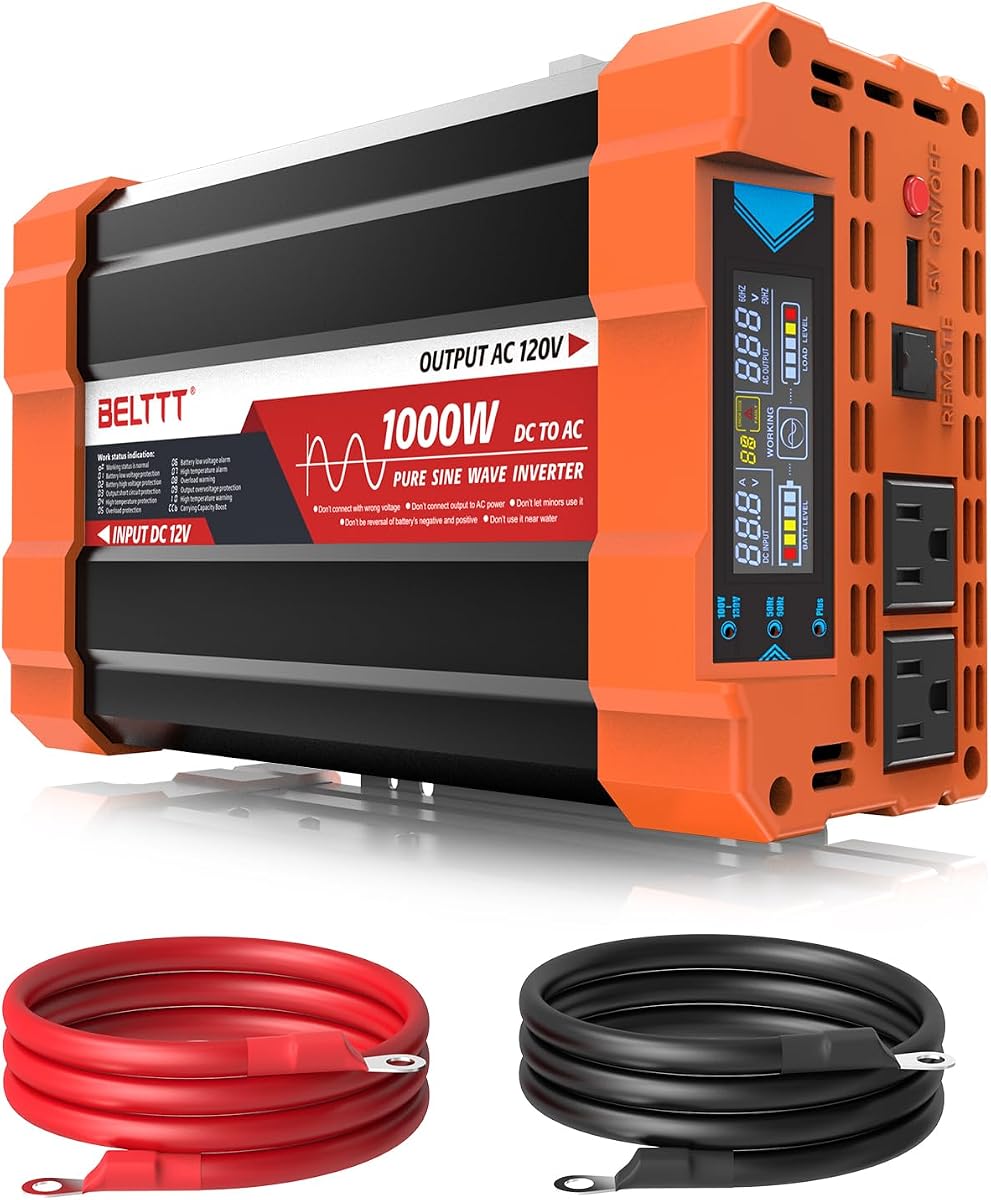


The BELTTT 1000Watt inverter stands out for its robust feature set at a competitive price point. With a 4.4 rating from users, it offers reliable 1000W continuous power and impressive 2000W peak surge capabilities for starting heavy loads.
We may earn a commission when you buy through this link, at no additional cost to you.
Its standout quality is the intelligent LCD display, which provides real-time monitoring of input/output voltages and battery status. This transparency helps users troubleshoot issues quickly while ensuring the unit operates within safe parameters during extended use.
While the housing is primarily plastic rather than metal, it remains sturdy enough for typical RV or outdoor applications. Some users note that while the inverter is efficient, it lacks a remote controller option available on premium models.
This model is ideal for campers and truckers seeking a balance between performance and cost. Its multiple safety protections and clear display make it a trustworthy choice for powering TVs, laptops, and small appliances off-grid.
The bright LCD screen keeps you informed about battery health and output stability, allowing for proactive adjustments before issues escalate.
With dual AC sockets and USB ports, you can power multiple devices simultaneously without needing extra adapters or hubs.
We may earn a commission when you buy through this link, at no additional cost to you.
The Renogy Inverter P2 is a premium solution designed for users who demand top-tier safety and durability. With UL and CSA certifications, it ensures high standards for both performance and user safety in demanding environments.
We may earn a commission when you buy through this link, at no additional cost to you.
Key strengths include the included wired remote controller and AC hardwire port, offering installation flexibility. The metal housing provides superior protection against physical impacts, while the cooling fans maintain optimal operating temperatures.
The main trade-off is the higher cost compared to other models, and its metal build adds weight. However, for permanent RV installations or professional setups, these factors are often acceptable given the reliability benefits.
This inverter is best suited for homeowners and RV enthusiasts prioritizing long-term safety. The GFCI protection and durable construction make it a reliable choice for powering sensitive electronics like TVs and freezers safely.
The AC hardwire port allows for permanent mounting solutions, reducing clutter and improving safety for fixed installations.
Ground-fault circuit interruption adds a critical layer of protection, especially important in wet or outdoor environments.
We may earn a commission when you buy through this link, at no additional cost to you.
This budget-friendly inverter offers impressive value for casual users needing basic AC power on the road. While it features a modified sine wave, it efficiently handles most small electronics like phones, laptops, and routers.
We may earn a commission when you buy through this link, at no additional cost to you.
Its standout feature is the 36W USB-C fast charging port, which modernizes charging capabilities. The LCD screen displays protection codes clearly, helping users identify issues like overheating or overloads instantly.
Users should note that modified sine wave technology isn't ideal for sensitive devices like medical equipment or microwaves. For budget-conscious travelers, the performance trade-off is often acceptable for standard electronics.
This model is perfect for road trips or tailgating where cost matters most. Its lightweight design and versatile USB options make it a convenient addition to any vehicle for emergency power needs.
The 36W USB-C port ensures your latest devices charge quickly without needing extra adapters or slow USB ports.
The LCD screen provides real-time voltage and error codes, making troubleshooting straightforward even for beginners.
We may earn a commission when you buy through this link, at no additional cost to you.
The LANDERPOW inverter excels with its remote controller, allowing operation from a distance. This is particularly useful for truckers or those with hard-to-reach inverter placements, adding convenience to standard setups.
We may earn a commission when you buy through this link, at no additional cost to you.
Its pure sine wave output ensures sensitive devices run smoothly without humming. The 3 AC outlets provide ample connectivity for multiple devices, supported by high-efficiency 91% conversion that minimizes battery drain.
The 7AWG cables ensure robust power delivery but may be bulky for tight spaces. While the remote adds utility, it adds complexity to the setup process for users preferring plug-and-play simplicity.
This inverter suits users needing accessible power control. The combination of pure sine wave quality and remote operation makes it a strong contender for RV living or work sites requiring frequent access.
The 15ft wired remote enables you to check status and shut down the unit from the driver's seat or campsite.
91% efficiency ensures your battery lasts longer while providing clean power that protects sensitive electronics from damage.
We may earn a commission when you buy through this link, at no additional cost to you.
The ALLWEI inverter is distinguished by its rigorous safety certifications and advanced protection systems. With ETL listing to UL 458, it meets strict industry standards for safe operation in vehicles and off-grid scenarios.
We may earn a commission when you buy through this link, at no additional cost to you.
Its 8-fold protection system guards against a wide range of electrical faults, ensuring safe operation. Intelligent cooling fans adjust speed based on load, maintaining optimal temperatures during extended use in hot climates.
While the aluminum housing adds durability, it also adds slight weight compared to plastic options. For users prioritizing safety and reliability over minimal weight, this trade-off is well worth the peace of mind.
This model is best for travelers who need absolute reliability. The robust build and certified safety features make it ideal for powering medical devices, tools, or appliances where consistent performance is critical.
ETL and UL certifications ensure the unit meets strict safety standards, reducing risks associated with electrical failures.
Fans automatically adjust speed based on temperature, preventing overheating even during heavy load usage in hot weather.
We may earn a commission when you buy through this link, at no additional cost to you.
BESTEK offers a highly reliable inverter with modern USB charging capabilities. With both PD 30W and QC 18W ports, it handles contemporary smartphone and tablet charging needs efficiently without needing separate chargers.
We may earn a commission when you buy through this link, at no additional cost to you.
Its compact design saves space in small vehicles, and the brand's reputation ensures quality assurance. Dual intelligent cooling fans work to prevent overheating, ensuring stable performance during longer road trips.
While the housing is plastic, it remains lightweight and durable for typical use. Some users might miss more robust construction, but the strong 18-month warranty provides excellent support and coverage for peace of mind.
This model is perfect for travelers needing quick device charging. Its balance of portability, fast charging, and brand reliability makes it an excellent choice for daily commutes or weekend getaways.
PD and QC ports ensure your devices charge at maximum speeds, reducing wait times for power-hungry smartphones and tablets.
Space-saving dimensions make it easy to stow away when not in use, keeping your vehicle clean and organized.
We may earn a commission when you buy through this link, at no additional cost to you.
This TWING inverter is designed for compact needs where space is limited. With 750W continuous power, it handles smaller electronics well, making it ideal for laptops and cameras during travel or outdoor activities.
We may earn a commission when you buy through this link, at no additional cost to you.
Its digital display and QC 3.0 USB support provide modern usability. The lightweight design ensures easy portability, while the 30W PD port offers fast charging for compatible devices on the go.
Users should be aware of the 750W continuous limit rather than 1000W, which restricts heavier appliances. However, for portable setups requiring minimal footprint, this trade-off is acceptable for many users.
This model is best for lightweight travelers needing basic power. Its portability and clear display make it a practical choice for short trips or situations where carrying heavy equipment is not feasible.
The lightweight and compact design allows easy storage in glove compartments or small storage areas without bulk.
QC 3.0 and PD ports ensure compatibility with the latest devices, reducing cable clutter and charging times.
We may earn a commission when you buy through this link, at no additional cost to you.
This inverter stands out with a remarkable 4.8 user rating and dual LCD screens for comprehensive monitoring. It combines remote control with robust build quality, offering reliable performance for RVs and off-grid setups.
We may earn a commission when you buy through this link, at no additional cost to you.
Its pure sine wave output protects sensitive devices, while the aluminum housing ensures durability. The remote allows convenient operation from a distance, which is especially helpful for hard-to-reach placements.
Some users find setup slightly complex due to the dual screens and wiring. However, once installed, the performance stability and monitoring options provide excellent value for users needing detailed system visibility.
This model is best for enthusiasts wanting detailed monitoring. The high rating and durable build make it a solid choice for long-term use where performance consistency and safety are top priorities.
Dual LCD displays provide clear visibility into battery voltage and output power, ensuring you never lose track of system status.
Aluminum housing protects internal components from impact, extending the unit's lifespan in rugged outdoor environments.
We may earn a commission when you buy through this link, at no additional cost to you.
This Renogy variant is tailored for solar setups, offering seamless integration with renewable energy systems. Its GFCI protection and metal housing make it safe for off-grid living or emergency backup scenarios.
We may earn a commission when you buy through this link, at no additional cost to you.
It provides pure sine wave power suitable for sensitive electronics, and the included remote offers operational flexibility. The build quality supports long-term durability in environments with frequent vibrations or impacts.
Users may find it heavier than budget options, but this is expected with metal housing. The premium price reflects its reliability and certifications, ensuring safe operation in critical power applications.
This model is ideal for solar enthusiasts or campers. Its compatibility with deep cycle batteries and safety features make it a trustworthy choice for powering homes or cabins off-grid.
Designed to work efficiently with solar setups, ensuring consistent power delivery when paired with renewable energy sources.
GFCI protection guards against electrical faults, ensuring safe operation even in humid or wet outdoor environments.
We may earn a commission when you buy through this link, at no additional cost to you.
This inverter offers a rare three AC outlets, ideal for powering multiple appliances without extra extension cords. Its high 4.7 rating reflects user satisfaction with its performance and included installation hardware.
We may earn a commission when you buy through this link, at no additional cost to you.
The kit includes heavy-duty mounting brackets and spare fuses, making setup straightforward. While it uses modified sine wave, it remains effective for standard electronics like lights and tools in off-grid scenarios.
Some users note that it lacks advanced USB features compared to newer models. However, the simple and functional design keeps it affordable and reliable for basic power conversion needs.
This model is perfect for users needing multiple outlets. The included hardware and high rating make it an excellent choice for work sites or setups requiring multiple simultaneous AC connections.
Three AC sockets allow you to plug in multiple devices at once, eliminating the need for additional power strips.
Included brackets and fuses simplify setup, ensuring you have everything needed for secure and safe installation right away.
We may earn a commission when you buy through this link, at no additional cost to you.
Selecting the right inverter requires understanding your power needs, device types, and installation environment to ensure safety and performance.
Pure sine wave inverters provide clean power equivalent to grid electricity, making them ideal for sensitive electronics like laptops and medical devices. Modified sine wave options are cheaper but may cause humming or overheating in appliances.
Choose pure sine wave if you plan to power delicate or inductive loads for optimal device lifespan and safety.
Continuous power rating indicates what the inverter can sustain long-term, while peak power handles short bursts like motor startups. Ensure the continuous rating matches your device usage needs.
Look for units with at least double the peak rating to safely handle startup surges from appliances like small motors.
Critical safety features include overvoltage, under-voltage, overheating, and short-circuit protection to prevent damage to devices or batteries. Advanced models also include GFCI protection for wet environments.
Prioritize inverters with comprehensive safety systems to avoid electrical hazards and ensure reliable operation.
Check if the inverter offers USB ports or hardwire terminals based on your connectivity needs. Remote controllers are useful for setups where the unit is installed in a hard-to-reach place.
Ensure the included cables match your battery type and distance to avoid power loss during installation.
Metal housings offer better durability and heat dissipation than plastic ones. Intelligent cooling fans help maintain performance during extended high-load usage without overheating.
Select a unit with active cooling if you plan to use it frequently in hot environments or for long durations.
Efficiency ratings show how much power is lost during conversion. Higher efficiency means less strain on your battery and longer runtime for portable setups.
Look for efficiency above 90% to maximize battery life and ensure more power reaches your devices.
Safety certifications like UL or ETL indicate the unit has been tested for electrical safety. A solid warranty provides assurance against defects and supports long-term use.
Always verify certifications and warranty terms before purchasing to ensure you're investing in a quality product.
Consider the inverter's weight and size if you need to transport it frequently. Compact models are easier to store but may have less robust cooling or durability.
Balance portability with build quality based on whether you need a portable unit or a permanent installation.
Connect the inverter directly to a fully charged 12V battery using thick-gauge cables to minimize voltage drop and ensure stable performance. Avoid using cigarette lighter sockets for loads exceeding 150W to prevent overheating.
Monitor the LCD or LED indicators regularly to check battery voltage and error codes. Turn off the inverter when not in use to preserve battery life and prevent unnecessary load drain.
Keep the unit clean and free of dust to allow proper airflow. Ensure it is placed in a well-ventilated area away from direct sunlight or moisture to maintain safe operating temperatures.
Most microwaves require more than 1000W of continuous power, especially during startup. A 1000W inverter may struggle or shut down if you attempt to run one. Consider a higher-wattage inverter for kitchen appliances.
Pure sine wave provides clean, smooth power similar to household outlets, suitable for sensitive electronics. Modified sine wave is cheaper but can cause noise or inefficiency in some devices like motors or medical equipment.
Use heavy-gauge battery cables to connect the inverter's positive and negative terminals directly to the battery. Ensure secure connections and check for polarity before powering on the unit.
Yes, but you will need a battery bank to store the solar energy first. The inverter draws from the battery, so ensure your solar setup includes sufficient battery capacity for your power needs.
Beeping often indicates issues like low battery, overload, or overheating. Check your connected devices for overload, ensure your battery is charged, and allow the unit to cool if it is warm.
Runtime depends on the battery capacity and load size. A typical car battery may last 30 minutes to an hour with a 1000W load, so consider deep-cycle batteries for longer usage.
Yes, if you choose a pure sine wave inverter. Modified sine wave models may damage laptops over time. Always verify the inverter type before connecting sensitive devices.
Not necessary, but helpful if the inverter is installed away from your main area. Remotes allow easy on/off control and monitoring without physically accessing the unit.
The 1000W inverters reviewed offer diverse solutions for powering electronics on the go. Whether you prioritize safety, cost, or connectivity, there is a model to suit every budget and requirement.
Focus on waveform type and safety certifications when making your choice. Pure sine wave models are better for sensitive electronics, while safety features ensure reliable operation in any environment.
Prices and availability change frequently, so always check the latest listings before purchasing. Verify compatibility with your battery and needs to ensure seamless integration into your power system.