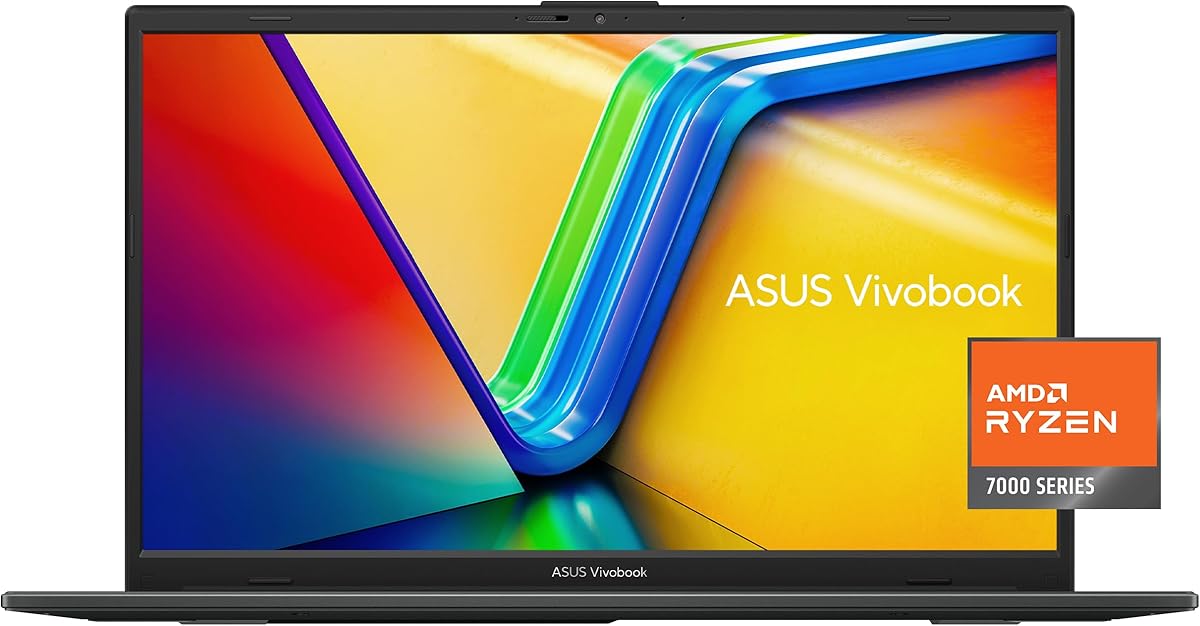
ASUS Vivobook Go 15
4.3Editor score
AMD Ryzen 3 7320U Processor
8GB DDR5 RAM
128GB SSD Storage
Choosing the right laptop is crucial for academic success. Students need devices that balance performance, portability, and battery life to handle coursework efficiently throughout the day.
We evaluated ten top ASUS models based on processor power, memory capacity, and build quality. This list covers options ranging from budget-friendly entry-level machines to high-performance devices for complex tasks.
Each pick highlights key features and ideal use cases to match your specific study requirements. Please note that prices and availability fluctuate regularly so verify current details before purchasing.
4.3Editor score

4.8Editor score

4.5Editor score
As an Amazon Associate we earn from qualifying purchases.
This side-by-side comparison highlights the core specifications of each model to help you quickly identify the best fit for your study demands and budget constraints.


The ASUS Vivobook Go 15 stands out as an accessible option for students needing reliable daily computing. With a 4.3 rating from users, it delivers solid performance for general study tasks like web browsing and document editing.
We may earn a commission when you buy through this link, at no additional cost to you.
Its AMD Ryzen 3 7320U processor paired with 8GB of DDR5 RAM ensures smooth multitasking across multiple tabs and applications. The 15.6 inch FHD display offers clear visuals for reading textbooks or watching lectures.
While the 128GB SSD limits local storage, cloud services can easily supplement this constraint for students working primarily in the browser. The grade durability adds peace of mind for frequent transport between classes.
This model is ideal for budget-conscious students who prioritize portability and basic productivity over heavy creative work. It offers a reliable foundation for academic success without breaking the bank.
Weighing just 3.59 lbs, this laptop fits easily in backpacks while meeting military grade standards for resistance to shocks and drops.
The NanoEdge display maximizes screen area within a slim bezel design complemented by an ergonomic keyboard for comfortable long typing sessions.
We may earn a commission when you buy through this link, at no additional cost to you.
This 2023 variant improves on the budget line with a more capable Ryzen 5 processor and double the storage capacity. It is a strong contender for students who need local space for projects and media files.
We may earn a commission when you buy through this link, at no additional cost to you.
The 512GB SSD provides ample room for storing large documents, presentations, and even some software without constantly relying on external drives. Boot times and file access are significantly faster than eMMC alternatives.
Thermal management is handled by ASUS IceCool technology which keeps the chassis cool during extended use. The fast charging feature allows quick top-ups between classes to maintain productivity throughout the day.
Ideal for those needing extra storage at a reasonable price, this model balances performance and convenience effectively. It is a practical choice for general coursework and multimedia consumption.
Wi-Fi 6E ensures stable internet connections for research while the thermal system prevents overheating during long study sessions.
The Ryzen 5 7520U offers improved speed for multitasking compared to the Ryzen 3 making it suitable for moderate workloads.
We may earn a commission when you buy through this link, at no additional cost to you.
This laptop represents the future of student computing with its Snapdragon X processor and Copilot+ PC capabilities. It is the highest-rated model in our list offering cutting edge AI tools for productivity and creativity.
We may earn a commission when you buy through this link, at no additional cost to you.
With 16GB of RAM the device handles multiple applications seamlessly ensuring smooth transitions between research writing and media playback. The 14 inch form factor makes it easy to carry around campus all day long.
Users benefit from long battery life powered by the efficient Qualcomm architecture. The integrated Adreno GPU provides decent visual performance for everyday tasks though it is not designed for heavy gaming.
Best for forward-thinking students who want access to the latest AI features like Recall and Live Captions. This device sets a new standard for efficiency and performance in the student laptop market.
Copilot+ PC features allow natural language interactions and smart search across your files enhancing research efficiency significantly.
The 14 inch screen offers a compact footprint that fits comfortably in small spaces while still providing enough room for multitasking.
We may earn a commission when you buy through this link, at no additional cost to you.
For students with minimal needs this entry level model offers basic functionality at a low cost point. It handles simple tasks like email and word processing adequately for those on a tight budget.
We may earn a commission when you buy through this link, at no additional cost to you.
The Intel Celeron N4500 provides essential computing power but may struggle with heavy multitasking. It is best suited for single application use rather than complex workflows requiring many open windows.
Despite lower specs it includes useful features like a privacy shutter and fast charge technology. The design prioritizes portability making it easy to slip into a bag for quick trips to class.
Recommend this only for users who need a secondary device for light reading and note taking. It is a functional option for very basic academic requirements.
The 42Wh battery supports all day use for light tasks and fast charge tech reduces downtime significantly between lectures.
Includes standard USB and HDMI ports ensuring you can connect to projectors and external devices without adapters.
We may earn a commission when you buy through this link, at no additional cost to you.
This model brings a spacious 16 inch display to the Vivobook line offering more workspace for spreadsheets and dual window tasks. It maintains the efficiency of the Snapdragon platform for reliable all day use.
We may earn a commission when you buy through this link, at no additional cost to you.
The WUXGA resolution ensures sharp text and clear images making it great for reading academic papers or editing presentations. 16GB of RAM supports complex applications without slowdown or latency.
While slightly heavier due to the larger chassis the trade-off is significant screen real estate for productivity. The battery life remains strong thanks to the optimized architecture inside.
Students who prioritize screen space over extreme portability will find this device highly rewarding. It is perfect for those who work extensively with data or media.
The 300 nit sustained brightness provides vibrant visuals and excellent visibility even in well lit classrooms or outdoor areas.
Qualcomm Hexagon NPU accelerates AI tasks improving overall speed and reducing power consumption for longer battery life.
We may earn a commission when you buy through this link, at no additional cost to you.
This configuration targets business students with Windows 11 Pro and a massive 1TB SSD for extensive file storage. The included docking hub adds extra connectivity for peripherals and external monitors.
We may earn a commission when you buy through this link, at no additional cost to you.
The Intel Core 5 120U offers solid performance for demanding applications like data analysis or virtual machines. 12GB of RAM strikes a balance between cost and capability for most students.
The business oriented design includes a durable chassis and comprehensive ports reducing the need for dongles. It is built to withstand daily use and travel without losing performance.
Ideal for students needing robust storage and professional software features. The docking hub adds significant value for those who connect to monitors regularly.
The 1TB SSD allows you to keep years of research data on board without needing external drives constantly.
Multiple USB and HDMI ports ensure you can connect peripherals and displays easily for presentations.
We may earn a commission when you buy through this link, at no additional cost to you.
This mid-range model offers a sweet spot with 16GB RAM and a capable Intel Core 5 processor. It handles general academic tasks efficiently while providing good value for money.
We may earn a commission when you buy through this link, at no additional cost to you.
The 15.6 inch FHD display is bright enough for indoor use and provides ample space for multitasking. Wi-Fi 6 ensures stable internet connections for research and streaming.
The design is sleek and professional making it suitable for both classroom and internship settings. It is a reliable daily driver for students who need consistent performance.
Perfect for those seeking a balance between screen size and performance. The 16GB RAM makes it future proof for more demanding software.
With 16GB of RAM you can keep dozens of browser tabs open alongside editing tools without slowdown.
Wi-Fi 6 provides faster downloads and more stable connections in crowded campus networks.
We may earn a commission when you buy through this link, at no additional cost to you.
The i9 processor delivers elite performance for complex simulations and AI workflows making this the top choice for engineering or data science majors. It includes a cooling bundle to maintain peak speeds.
We may earn a commission when you buy through this link, at no additional cost to you.
With 32GB of RAM the machine handles virtualization and heavy multitasking effortlessly. The 1TB SSD ensures you have space for large datasets and multimedia projects.
Security features like a fingerprint reader and webcam shield add peace of mind for sensitive data. The backlit keyboard aids late night studying in dim environments.
This is the ultimate power laptop for students needing maximum speed and memory. It is an investment in productivity for demanding academic fields.
The 14 core i9 processor enables rapid rendering and data analysis that would stall on average laptops.
The bundled PCO Cooler helps manage heat ensuring sustained performance during intensive workloads.
We may earn a commission when you buy through this link, at no additional cost to you.
This model features the AMD Ryzen AI 7 processor with a dedicated NPU for AI acceleration. It rivals Snapdragon chips with strong performance and efficient power usage.
We may earn a commission when you buy through this link, at no additional cost to you.
The 14 inch WUXGA display offers crisp visuals and a 16:10 aspect ratio for more vertical space. 16GB RAM ensures smooth multitasking for everyday academic workflows.
Radeon graphics provide decent visual performance for casual gaming or media creation. The backlit keyboard is useful for studying in low light conditions.
Best for students who want strong AI features without switching to ARM architecture. It offers a great balance of speed and efficiency.
The XDNA NPU accelerates AI workloads allowing faster image generation and language processing tasks.
The 1920 x 1200 resolution provides sharper text and more detail than standard HD screens.
We may earn a commission when you buy through this link, at no additional cost to you.
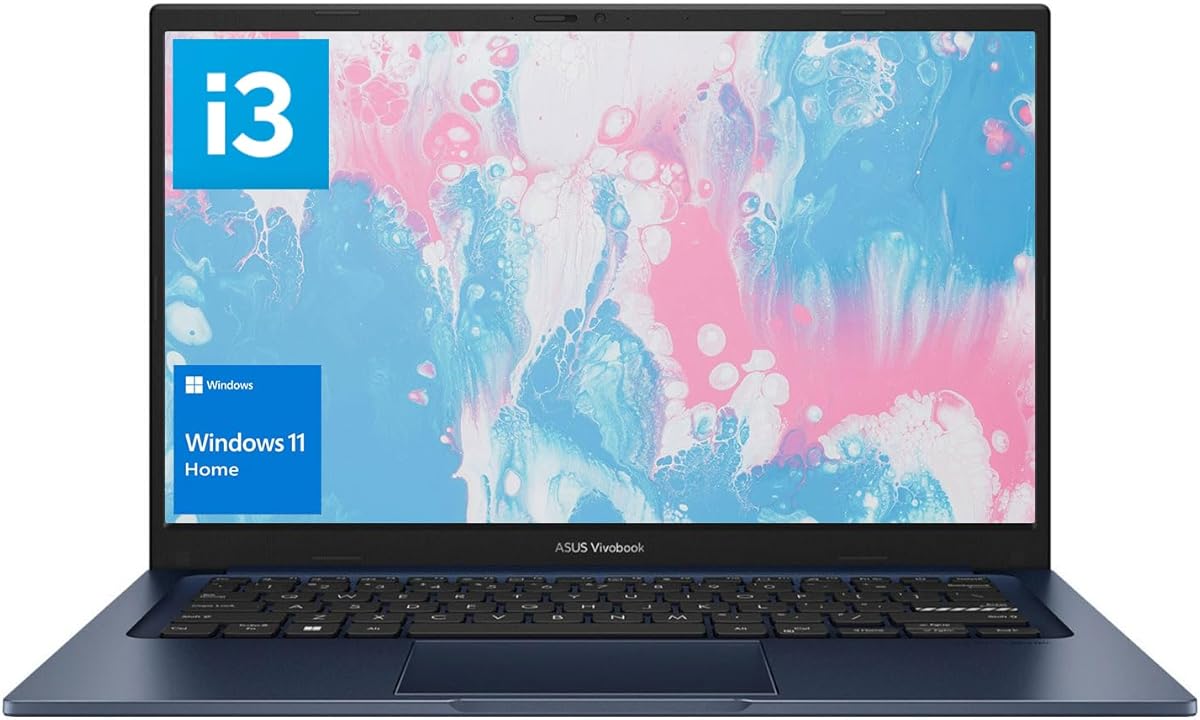
This affordable laptop surprises with 16GB of RAM at a low price point. It is a smart choice for students who need memory for browser multitasking but do not require a powerful CPU.
We may earn a commission when you buy through this link, at no additional cost to you.
The i3-1215U provides basic performance suitable for office work and web browsing. With 512GB of storage you have plenty of space for documents and media.
The 14 inch form factor keeps it lightweight and easy to carry between classes. The Blue finish gives it a unique look compared to standard black laptops.
Ideal for budget shoppers who prioritize RAM over CPU speed. It delivers excellent value for general academic needs.
Having 16GB RAM at this price allows you to run many tabs simultaneously without slowdown.
The PCIe NVMe SSD ensures quick boot times and fast file access for your projects.
We may earn a commission when you buy through this link, at no additional cost to you.
Selecting the right laptop requires balancing key factors like processor speed, memory, and portability to match your academic workflow.
The processor is the brain of your laptop determining how fast it runs apps and handles tasks. For general students, an Intel Core i3 or AMD Ryzen 3 is sufficient for web browsing and documents. However if you plan to use engineering software or data tools, aim for an i5, i7, or Ryzen 5 or 7.
Choose a processor that fits your specific academic needs to avoid unnecessary costs or performance bottlenecks.
RAM controls how many apps you can open at once. 8GB is the baseline for students but 16GB is better for future proofing. Storage speed matters more than capacity so look for SSDs rather than eMMC or HDDs. 512GB is a comfortable size for storing files locally.
Prioritize at least 16GB RAM and 512GB SSD for smooth multitasking and ample storage.
A good screen reduces eye strain during long study sessions. Look for Full HD (1080p) resolution for clarity. IPS panels offer better viewing angles and color accuracy. The size is personal; 14 inches are portable while 15.6 or 16 inches offer more workspace.
Select an IPS display with at least 1080p resolution for clear visuals in any lighting.
Portability is key for students moving between classes. A laptop should last at least 8 hours on a single charge to avoid hunting for outlets. Modern models with efficient chips like Snapdragon or newer Intel Ultra offer longer battery life.
Look for models advertised with all-day battery life to ensure uninterrupted study sessions.
If you carry your laptop daily, weight matters significantly. Models under 3.5 lbs are ideal for backpacks. Thinner designs fit easier in tight spaces. Consider build quality as sturdy materials protect your investment during travel.
Choose a lightweight laptop under 3.5 lbs to reduce physical strain during commute.
Ensure the laptop has enough ports for your peripherals like mice and monitors. USB-C, USB-A, and HDMI are standard. Wi-Fi 6 is recommended for faster campus internet. Bluetooth helps connect wireless headsets or keyboards.
Check for essential ports like HDMI and USB-C and Wi-Fi 6 for modern connectivity.
Student laptops face frequent handling and travel. Models with military grade durability or reinforced hinges last longer. Privacy shutters on webcams add security. A backlit keyboard is useful for working in low light conditions.
Opt for laptops with strong chassis construction and helpful security features for peace of mind.
Prices vary widely so determine your spending limit early. Entry level models cost less but may lack RAM. Mid-range offers the best balance for most. High-end models are for specialized workloads. Consider long-term value over initial price.
Set a realistic budget and prioritize features like RAM over flashy extras to maximize value.
Start by setting up your user profile and installing essential academic software immediately. This ensures you are ready for assignments on day one. Enable automatic updates to keep your system secure and performant.
Protect your investment with a good quality laptop sleeve or case. Avoid eating or drinking near the device to prevent liquid damage. Clean the screen gently with a microfiber cloth to maintain visibility without scratching the surface.
Regularly restart your computer to clear temporary files and improve speed. Keep the charging port free of dust to ensure reliable charging. Utilize cloud storage to back up your work in case of hardware failure or loss.
The ASUS Vivobook Go 15 offers the best balance of affordability and performance for general college students. It provides essential specs for daily coursework without a high price tag. This model is a practical choice for standard academic needs.
Yes most models include HDMI ports and USB-C video output to support external monitors. This feature allows you to expand your workspace for better productivity. Check the specific model for exact port configurations.
Windows 11 Home is generally sufficient for most academic needs and apps. It offers security and tools required for standard coursework and research. Pro versions are only necessary for specific enterprise management features.
For most students 16GB of RAM is the recommended standard for smooth multitasking. This ensures you can run multiple apps and tabs without slowdown. 8GB is acceptable for light browsing but 16GB is more future proof.
Integrated graphics in most Vivobook models support light gaming and casual titles. For serious gaming you may need a dedicated GPU model. These laptops are optimized for productivity rather than high performance gaming.
Battery life typically ranges from 8 to 12 hours on a single charge depending on usage. Efficiency varies based on screen brightness and background apps. Always have a charger handy for long days on campus.
Most models come with a one-year manufacturer warranty covering parts and labor. Some bundles offer extended coverage or additional service plans. Check the listing for specific warranty terms before purchasing.
Many models have soldered RAM meaning it cannot be upgraded after purchase. Some higher end variants allow upgrades but this is not guaranteed. Verify the RAM configuration when buying to ensure it meets your needs.
This guide highlights ten top ASUS models catering to different student needs and budgets. From the budget Vivobook Go 15 to the premium Vivobook 15 i9 there is a suitable option for everyone. Each model brings unique strengths to help you focus on your studies.
Prioritize factors like RAM and battery life to ensure long-term usability. A versatile device saves you from needing frequent upgrades and supports your entire academic journey. Consider your specific software needs before making a decision.
Prices and availability change quickly so check current offers before you buy. Verify the specs match your requirements to get the best value. Investing in the right laptop today sets you up for success in your education.