
Canon EOS Rebel T7 DSLR Camera
4.6Editor score
24.1 Megapixel sensor
Built-in Wi-Fi and NFC
9-Point AF system
This guide compares the top 10 cameras for dental photography to help professionals capture clear images for patient communication and accurate records.
Selecting the right camera for dental photography is crucial for capturing clear images that aid patient communication. A good camera ensures high-resolution details of oral health conditions are visible for accurate diagnosis and treatment planning.
We compared ten leading options ranging from dedicated intraoral cameras to versatile DSLR and mirrorless systems. Our analysis focuses on image quality, ease of integration with dental software, and ergonomic design for clinical environments.
Each pick highlights specific strengths for different workflows and budget levels. Prices change frequently so check current listings for the most up to date information before making your final purchasing decision for your practice.
4.6Editor score
4.4Editor score

4.5Editor score
This side by side comparison outlines the key specifications and capabilities of each camera model to help you identify the best fit for your specific dental photography needs and workflow requirements.


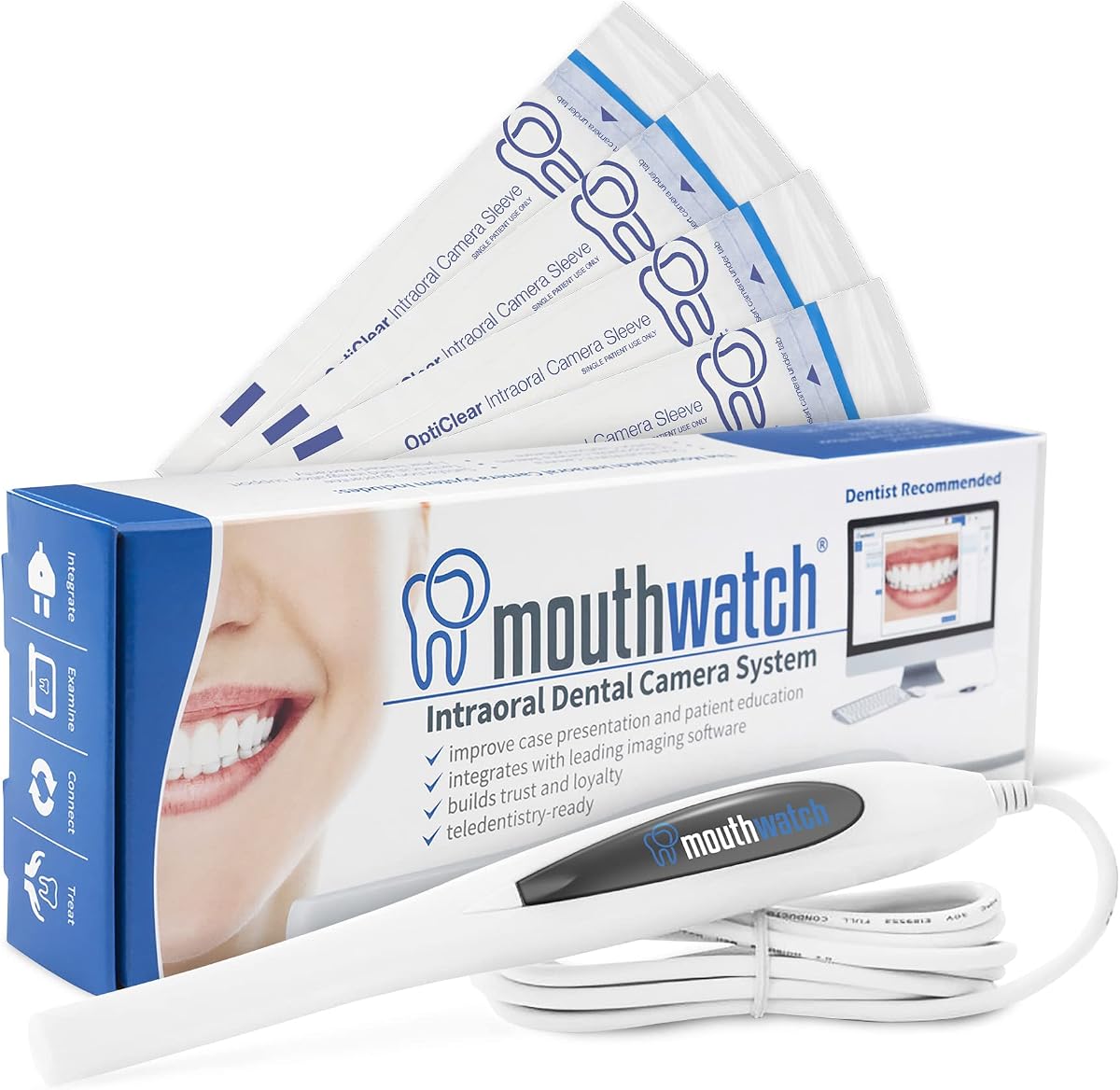
This intraoral camera is designed specifically for dental professionals needing clear imaging. It features a fixed focal distance that eliminates manual focusing and ensures sharp images every time.
We may earn a commission when you buy through this link, at no additional cost to you.
The single button capture simplifies workflows by saving images directly to patient charts. Compatibility with over fifty dental imaging suites makes integration seamless for most clinics.
While it lacks manual focus flexibility the fixed distance ensures consistent results without hunting. The lightweight build reduces hand fatigue during extended clinical sessions.
This camera is ideal for practices prioritizing efficiency and clear patient communication. Its reliability and ease of use make it a top choice for daily dental imaging.
Crystal clear images help patients visualize treatment needs improving case acceptance rates significantly.
Seamless compatibility with major imaging suites ensures images integrate without complex setup or delays.
We may earn a commission when you buy through this link, at no additional cost to you.
The Canon EOS Rebel T7 offers high resolution imaging at an accessible price point. It provides excellent clarity for detailed dental work with proper lens selection.
We may earn a commission when you buy through this link, at no additional cost to you.
Built-in Wi-Fi and NFC allow easy transfer of images to devices for sharing. The optical viewfinder ensures precise framing in various lighting conditions.
This camera is not specialized for intraoral use but excels with macro lenses. It serves well for clinics needing versatile imaging beyond just oral cavities.
Budget conscious practices will appreciate the value and image quality. Pairing with a macro lens transforms it into a powerful dental photography tool.
Compatible with a wide range of Canon lenses allowing flexibility for different dental photography needs.
Wireless connectivity simplifies transferring images for patient education or lab communication instantly.
We may earn a commission when you buy through this link, at no additional cost to you.
This bundle provides everything needed to start photography with the Rebel T7 including essential accessories. The 24.1 megapixel sensor delivers sharp images suitable for detailed dental work.
We may earn a commission when you buy through this link, at no additional cost to you.
Included items like a memory card and shoulder bag make immediate use possible. The DIGIC 4+ processor ensures fast operation and reduced noise in various conditions.
While not a dedicated intraoral camera it works well for broader dental photography. The Wi-Fi feature allows quick image sharing without physical connections.
Practices looking for a comprehensive photography solution will find this bundle valuable. It balances cost and performance for versatile clinical imaging needs.
Complete accessories eliminate the need for additional purchases enabling immediate deployment in clinical settings.
Advanced processor ensures quick image rendering and noise reduction for clearer dental documentation.
We may earn a commission when you buy through this link, at no additional cost to you.
The Canon EOS R50 delivers exceptional image quality with a 24.2 megapixel sensor. It features advanced autofocus and fast continuous shooting for precise dental documentation.
We may earn a commission when you buy through this link, at no additional cost to you.
Video capabilities include 6K oversampled 4K recording. This allows dynamic presentations and detailed visual records of dental procedures beyond static images.
The vari-angle touchscreen aids in capturing unique angles. Dual Pixel CMOS AF II ensures sharp focus even in challenging lighting conditions.
This camera suits practices seeking high-end versatility. While not dedicated intraoral its precision and features make it a premium choice for detailed imaging.
Dual Pixel CMOS AF II ensures sharp focus on specific teeth or details automatically.
High-quality video capabilities enable detailed visual case presentations and educational materials.
We may earn a commission when you buy through this link, at no additional cost to you.
This camera features a bright ZEISS lens capturing crisp detail with stunning background blur. Its compact design makes it portable for various clinical documentation tasks.
We may earn a commission when you buy through this link, at no additional cost to you.
Audio capabilities include a 3-capsule microphone ideal for procedure videos. The vari-angle screen helps with framing from difficult angles.
While intended for content creation it can serve as a versatile imaging tool. The bundled accessories like tripod ensure stable shots during documentation.
Practices needing video documentation may find this useful. Its optical quality and portability offer flexibility though it lacks specific dental features.
ZEISS Vario-Sonnar lens ensures sharp detailed images suitable for clear dental documentation.
Built-in microphone system provides clear audio for educational videos or procedure recordings.
We may earn a commission when you buy through this link, at no additional cost to you.
This camera offers high resolution imaging with an 88MP sensor and 8K video capabilities. It is designed for entry-level creators seeking professional-looking content.
We may earn a commission when you buy through this link, at no additional cost to you.
Dual lenses allow flexible shooting angles. The 16X digital zoom helps capture distant details though optical quality may vary.
Built-in stabilization keeps shots steady during documentation. The touchscreen simplifies controls for quick adjustments.
Budget conscious users may find the high resolution appealing. However it lacks the optical precision of specialized dental cameras.
88MP sensor provides significant detail for close-up documentation of dental structures.
6-axis stabilization helps maintain clarity during handheld documentation tasks.
We may earn a commission when you buy through this link, at no additional cost to you.
The DY-50 offers crystal clear pictures with direct computer connection. It supports numerous imaging software options including Eaglesoft and Dexis.
We may earn a commission when you buy through this link, at no additional cost to you.
Included drivers allow the capture button to work within software. The ergonomic design facilitates easy upper and lower capture.
Anti-fog lens ensures clear visibility during procedures. Direct USB connection eliminates the need for extra hardware.
This camera is suitable for clinics needing straightforward intraoral imaging. Its driver support simplifies integration into existing workflows.
Supports dozens of North American imaging software ensuring easy integration without complex setup.
Design supports comfortable capture angles for both upper and lower oral documentation.
We may earn a commission when you buy through this link, at no additional cost to you.
This intraoral camera delivers 720P HD imaging with 4X zoom. It works with major software like Eaglesoft and Dexis with included capture drivers.
We may earn a commission when you buy through this link, at no additional cost to you.
The 4X zoom allows better visualization of details without moving the camera. Button work is streamlined to avoid need for foot pedals.
USB connection ensures stable power and data transfer. Anti-fog lens supports clear imaging during wet conditions.
It provides practical features for detailed visualization at a reasonable cost. Compatibility lists ensure it fits existing workflows.
4X zoom capability allows closer inspection of specific teeth or restorations.
Capture button integration allows hands free operation without requiring foot pedals.
We may earn a commission when you buy through this link, at no additional cost to you.
This system includes a 17-inch touchscreen computer for seamless viewing. It allows comparison of multiple angles and before after images simultaneously.
We may earn a commission when you buy through this link, at no additional cost to you.
WiFi QR functionality enables instant photo transfer to any device. The ultra-slim camera ensures patient comfort during use.
All-in-one design simplifies documentation workflow. High performance image chip delivers precise dental analysis.
Ideal for clinics wanting an integrated multimedia experience. The touchscreen interface aids efficient case presentation.
Quad-split view allows simultaneous comparison of multiple angles or before and after images.
WiFi QR code functionality enables instant transfer of photos to any device instantly.
We may earn a commission when you buy through this link, at no additional cost to you.
This lighting aid ensures amazing pictures for showing dental treatment results. It has fully adjustable brightness from zero to one hundred percent.
We may earn a commission when you buy through this link, at no additional cost to you.
Omni directional shooting allows ideal views inside the mouth. Flexible arm supports most cell phones and dental photography equipment.
Unit is packed in convenient zip case for transporting. LED technology ensures long lasting reliable illumination.
This accessory complements existing cameras by improving image quality. It meets all requirements for dental photography lighting needs.
Fully adjustable brightness allows optimal light for different oral conditions.
Adjustable arm permits omni directional shooting for ideal views inside mouth.
We may earn a commission when you buy through this link, at no additional cost to you.
Choosing the right camera for dental photography requires evaluating several factors to ensure clear images accurate diagnosis and efficient workflows.
Resolution determines the level of detail captured for accurate diagnosis. Look for cameras offering at least 20 megapixels for clear dental images.
Higher resolution ensures surface features are visible for precise communication with patients and labs.
Dental photography often requires macro lenses to capture detailed oral structures. Ensure the camera supports compatible lenses for close-up shots.
Macro lenses provide the focal distance needed to capture sharp images without distortion.
Proper lighting is essential for consistent imaging. Look for cameras with built-in flash or options for external lighting aids.
Consistent lighting ensures clear visualization of oral details without shadows or glare.
Integration with existing dental software streamlines workflows. Verify compatibility with your practice management or imaging suites.
Seamless integration saves time by automating image transfer to patient records.
Comfortable handling reduces fatigue during clinical use. Choose cameras with ergonomic grips or lightweight designs.
Ergonomic builds support extended use without compromising image stability or quality.
Wi-Fi or Bluetooth enables quick image transfer. This feature allows instant sharing with patients or labs.
Wireless transfer simplifies documentation and enhances communication during appointments.
Cost varies significantly between dedicated intraoral cameras and general DSLRs. Assess your needs against available budget options.
Investing in the right balance ensures value without compromising essential imaging quality.
Video recording aids dynamic case presentations and procedural records. Consider cameras offering high-definition video support.
Video adds context to static images for more engaging patient education and documentation.
Ensure the camera is securely mounted or positioned for stable shots. Proper positioning reduces blur and enhances image sharpness during documentation.
Use appropriate lighting to avoid shadows or glare on oral surfaces. Adjust brightness settings to ensure consistent illumination across all shots.
Clean lenses regularly with soft cloths to maintain optical clarity. Protect the camera from moisture and harsh conditions to extend its lifespan.
Intraoral cameras are designed specifically for dental imaging offering ease of use and integration. However DSLRs with macro lenses provide high resolution alternatives for broader needs. Choose based on your practice workflow and specific documentation requirements.
Macro lenses are recommended for capturing detailed images of teeth and soft tissues. They provide the necessary magnification to visualize fine details accurately. Some intraoral cameras have fixed focal lengths that eliminate this need.
Integration depends on the software compatibility. Most cameras offer drivers or plugins that enable direct image transfer. Check the software list provided by the manufacturer to ensure seamless workflow.
Yes DSLRs or mirrorless cameras can be used with appropriate accessories. Ensure the lens allows close-up shots and lighting is sufficient for oral cavities. This approach offers flexibility beyond dedicated intraoral options.
A resolution of 20 megapixels or higher is ideal for detailed imaging. This ensures surface features are clearly visible for accurate diagnosis and treatment planning. Higher resolution also supports larger prints or zooms.
Lenses should be cleaned after every use to maintain clarity. Use soft cloths and avoid harsh chemicals that could damage coatings. Regular maintenance ensures consistent image quality over time.
Many modern cameras include Wi-Fi or Bluetooth for wireless transfer. This simplifies sharing images with patients or labs. Check specific models for supported connectivity features.
Video aids in capturing dynamic procedures and patient education. It provides context that static images cannot. Cameras with 4K video capabilities offer detailed procedural records.
The Intraoral Camera Crystal Clear Images offers the best overall solution for dedicated imaging needs. The Canon EOS Rebel T7 provides excellent budget versatility with macro adaptability.
Prioritize resolution lighting and software integration to meet your clinical requirements. Consider ergonomic design and connectivity options for efficient workflow.
Check current prices and software compatibility before purchasing. The right camera ensures clear documentation and improved patient communication in your practice.