
Luster Leaf 1625 Digital Soil Thermometer
4.2Editor score
Dedicated soil temperature tool
Ideal for early season planting
Simple analog style digital read
This guide compares the top ten digital soil thermometers for accurate temperature monitoring to help gardeners optimize plant health and soil conditions
Maintaining optimal soil temperature is crucial for healthy plant growth and successful gardening. A digital soil thermometer provides precise readings that help gardeners decide when to plant, water, or harvest. These devices eliminate guesswork by offering instant data on root zone conditions.
We evaluated ten leading digital soil thermometers based on accuracy, ease of use, and durability. Each product was assessed for its ability to deliver reliable temperature readings across different soil types and environments. Our analysis focuses on features that matter most to both novice and experienced growers.
Each pick in this list highlights specific strengths such as wireless connectivity or multi-parameter testing. You will find detailed reviews and comparison tables to help you choose the right tool. Please note that product availability and pricing may change over time.
4.2Editor score

4.2Editor score

4.2Editor score
The following comparison table provides a side-by-side overview of the ten selected digital soil thermometers. It highlights key specifications and primary functions to help you identify the best match for your gardening needs quickly.


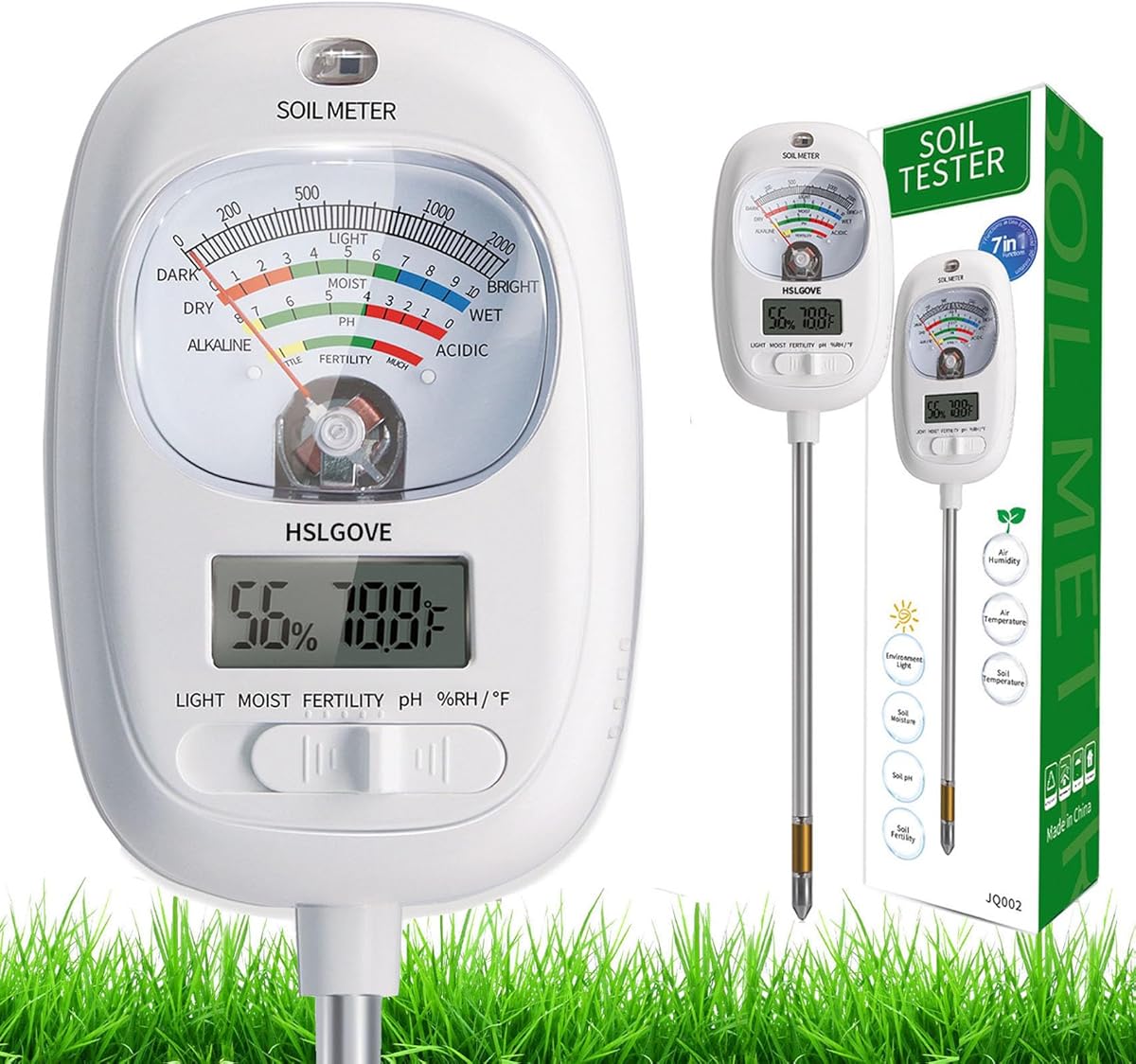


The YAMRON 4-in-1 Soil Moisture Meter stands out as a versatile tool for modern gardeners. With a rating of 4.2 stars, it offers a balanced combination of functionality and ease of use. This device measures soil moisture, pH, temperature, and sunlight, providing a holistic view of plant health conditions.
We may earn a commission when you buy through this link, at no additional cost to you.
Its standout feature is the large LCD screen with a white backlight, ensuring readability in any lighting condition. The 45-degree rotating head design allows users to view data without straining their backs. The probe technology claims to deliver quick and accurate measurements for precise gardening decisions.
While effective, the user manual advises watering the test area if the soil is too dry to avoid damaging the probe. Users should take readings from at least five locations to get an accurate average. This extra step ensures reliability but adds a bit of time to the process.
This thermometer is ideal for hobbyists who want detailed data without multiple tools. It suits flower beds, potted plants, and garden farms effectively. For those seeking a single device to monitor multiple environmental factors, this is a strong recommendation for consistent plant care.
Captures moisture pH temperature and light levels simultaneously for complete soil health insights.
The rotating head and backlight ensure comfortable reading in any position or time of day.
We may earn a commission when you buy through this link, at no additional cost to you.
The Luster Leaf 1625 Digital Soil Thermometer is a straightforward solution for gardeners focused solely on soil temperature. With a 4.2 rating, it is recognized as a must-have tool for determining when to plant or transplant. It removes uncertainty about soil readiness without unnecessary complexity.
We may earn a commission when you buy through this link, at no additional cost to you.
This device focuses on its core function: measuring temperature accurately. Its simplicity makes it accessible for beginners who do not need pH or moisture data. The digital readout is clear, allowing users to quickly assess if the ground is warm enough for seeds or seedlings.
The limitation is that it does not offer other environmental readings like moisture or light. For complex gardening needs, additional tools might be required. However, for the specific purpose of checking soil warmth, it performs its duty efficiently without extra cost or confusion.
Budget-conscious gardeners will appreciate its value and reliability. It is particularly useful for spring planting or transplanting tasks. If your primary goal is to ensure the right soil temperature for growth, this model is an excellent choice for essential needs.
Designed specifically to deliver accurate temperature readings for planting and transplanting without distraction.
Requires no calibration or complex setup, making it ready for immediate use in the garden.
We may earn a commission when you buy through this link, at no additional cost to you.
This 7-in-1 Soil Tester Kit offers extensive functionality for serious gardeners. With a rating of 4.4, it delivers quick measurements for moisture, pH, temperature, light, fertility, EC, and TDS. This breadth of data supports science-based plant care strategies for optimal growth.
We may earn a commission when you buy through this link, at no additional cost to you.
The large LCD screen with white backlight ensures data is visible in all lighting. The 2025 probe technology claims to enhance speed and accuracy. It is designed to work both indoors and outdoors, making it versatile for gardens, beds, and potted plants.
Users must moisten the soil slightly before testing to avoid damage and ensure accuracy. The instruction to take an average from multiple spots adds precision but requires patience. This careful approach pays off in more reliable long-term plant health management.
For those wanting detailed insights beyond basic temperature, this kit is valuable. It helps determine watering times and nutrient levels effectively. If you need a comprehensive tool for fertilization and soil chemistry, this model delivers superior versatility and performance.
Includes EC and TDS functions to help manage nutrient levels and water quality effectively.
Works reliably across different environments from indoor potted plants to outdoor garden beds.
We may earn a commission when you buy through this link, at no additional cost to you.
The Reotemp K83B1 is highly rated with 4.7 stars, making it a favorite for composters. It features a twelve-inch stainless steel stem, perfect for smaller compost bins or soil temperature measurement. The inclusion of a digital composting guide adds significant value for beginners.
We may earn a commission when you buy through this link, at no additional cost to you.
Its construction is corrosion resistant with a quality glass lens. The waterproof and dust-proof case ensures durability in active compost environments. It covers a wide temperature range suitable for monitoring heat generation in piles effectively.
While excellent for compost, it may be less versatile for other plant soil needs due to its specific design. The guide is a bonus but might not be needed for experienced gardeners. However, the build quality justifies the cost for dedicated composters.
If you manage a compost pile or need a robust thermometer for soil, this is a top pick. The high reliability and specific focus on composting make it stand out. It provides the precision needed to manage decomposition and heat levels accurately.
Comes with expert instructions to help new users manage their compost piles efficiently.
Stainless steel and waterproof design ensures it survives harsh composting conditions.
We may earn a commission when you buy through this link, at no additional cost to you.
This 7-in-1 kit features a unique dual-dial design that monitors both soil and air conditions. With a 4.4 rating, it provides essential data for seedlings and mature plants. The dual screen shows soil moisture, pH, fertility, and air humidity, offering a complete environmental picture.
We may earn a commission when you buy through this link, at no additional cost to you.
The 3 metal probe design is built for accuracy and durability. It allows for detailed analysis of soil conditions quickly. The built-in 1.6 inch chip board ensures reliable switching between modes without confusion. It is suitable for various garden types.
Users must replace all three batteries when switching modes, which is a minor inconvenience. The reading time of three to five minutes requires patience for precise data. However, the comprehensive nature of the tool outweighs these small operational details.
For seedlings and precise plant care, this model offers excellent insights. It helps cultivate scientific growing conditions efficiently. If you need to track air and soil parameters simultaneously, this kit is a robust and practical choice for your garden.
Simultaneously displays soil and air temperature and humidity for complete environmental tracking.
Ideal for cultivating seedlings with accurate data on all key growth factors.
We may earn a commission when you buy through this link, at no additional cost to you.
The Urban Worm Soil Thermometer is designed specifically for worm bins. With a 4.6 rating, it features color-coded tick marks for easy monitoring of worm health. Worms thrive between 55F and 90F, and this tool ensures you stay within that range.
We may earn a commission when you buy through this link, at no additional cost to you.
Its five-inch stainless steel stem penetrates soil and compost to the perfect depth. The simple interface makes it accessible for daily checks without complex setup. It helps you know when to cool or move worms for optimal conditions.
While it lacks digital features, its focus on the specific needs of worm composting is valuable. It ensures the comfort of your worms effectively. The analog display might not offer exact digital precision but provides sufficient detail for bin management.
For vermicomposters, this is an essential tool. It simplifies the process of maintaining safe temperatures for worms. If you maintain a worm bin, this thermometer offers practical reliability and ease of use for consistent results.
Color-coded marks highlight the ideal temperature range for worm health at a glance.
Short stem is perfectly sized for typical worm bins without being intrusive.
We may earn a commission when you buy through this link, at no additional cost to you.
The ECOWITT WN34BS stands out with its WiFi capabilities. With a 4.2 rating, it allows you to view real-time temperature data on a mobile app. The IP65 waterproof sensor ensures durability in various weather conditions for garden or farm use.
We may earn a commission when you buy through this link, at no additional cost to you.
It supports up to eight channels for tracking multiple locations. The long transmission range of 300 feet ensures stable data delivery. You can receive email alerts and view history graphs on the website for comprehensive analysis.
The gateway is sold separately, which is an extra step for setup. However, the smart features offer significant convenience for remote monitoring. The long probe length allows deep soil checks for precise temperature data.
This sensor is ideal for tech-savvy gardeners wanting remote access. It helps manage large properties efficiently with alerts. If you need to monitor soil remotely without physical checks, this is the top choice for smart gardening.
Connects to WiFi to send live data and alerts to your smartphone for instant checks.
Supports multiple sensors so you can track different zones across your property.
We may earn a commission when you buy through this link, at no additional cost to you.
This meter provides specialized measurements for soil electrical conductivity. With a 4.1 rating, it helps track salt content and nutrient levels effectively. The corded sensor probe features an IP67 rating for robust outdoor protection against water and dust.
We may earn a commission when you buy through this link, at no additional cost to you.
It includes automatic temperature compensation to ensure accurate readings. The backlight LCD makes data easy to view even in dim conditions. Users can calibrate the device easily with a standard solution for consistent results.
The device focuses on EC and temperature rather than pH or moisture. While specific, this data is crucial for nutrient management. The need for calibration solution is a small cost for the precision it provides.
For gardeners managing nutrient levels precisely, this is a valuable tool. It helps optimize soil health for better yields. If EC monitoring is a priority, this meter offers reliable performance and ease of use.
Measures electrical conductivity to give clear insights into soil salt and nutrient levels.
Temperature compensation ensures readings remain accurate regardless of current soil heat.
We may earn a commission when you buy through this link, at no additional cost to you.
This 4-in-1 meter offers a 328-foot wireless range. With a 4.5 rating, it allows monitoring from a distance without bending down. It displays moisture, temperature, light, and time on a large screen for clear visibility.
We may earn a commission when you buy through this link, at no additional cost to you.
The triple-probe TDR technology ensures stable and consistent readings. It reduces disturbance to plant roots by allowing the probe to stay inserted. You can connect up to 12 sensors to one display for broader coverage.
While effective, the initial setup involves placing probes in specific locations. The wireless range is excellent for large yards. It helps prevent overwatering and root rot by providing timely alerts.
For large gardens or busy owners, this is ideal. It reduces physical strain during checks. If you want to monitor plants from afar efficiently, this model provides reliable connectivity and comprehensive data.
Wireless range extends over three hundred feet so you can check data from your porch.
One display can track up to twelve sensors for comprehensive plant health oversight.
We may earn a commission when you buy through this link, at no additional cost to you.
This 7-in-1 meter features a 5-probe system for enhanced precision. With a 3.9 rating, it aims for durability with corrosion-resistant materials. It monitors pH, sunlight, fertility, temperature, and humidity in a single tool.
We may earn a commission when you buy through this link, at no additional cost to you.
The split HD display allows easy reading without crouching. The probes are designed to withstand compacted soil and harsh outdoor conditions. It supports both soil and air monitoring for a complete environment check.
Users must ensure moist soil for accurate pH readings. It may take time to settle. The build quality is robust but the rating suggests mixed user experiences. It is a heavy-duty option for frequent use.
For commercial farms or frequent users, the durability is key. It handles tough soil better than standard models. If you need a rugged tool for daily checks, this meter offers a solid design and broad functionality.
Probes are made from premium materials to resist corrosion and tough soil conditions.
A split screen allows viewing of different data types simultaneously without bending.
We may earn a commission when you buy through this link, at no additional cost to you.
Selecting the right digital soil thermometer involves considering various factors to match your specific gardening needs and environment. This guide outlines key aspects to evaluate before making a purchase.
Decide whether you need just temperature or additional metrics like pH moisture and light. Multi-function testers provide a broader view of soil health but may be more complex.
Choose a device with the specific parameters relevant to your plant care routine to avoid unnecessary features.
Look for a large LCD screen with a backlight for clear reading in any lighting. Ergonomic designs like rotating heads can reduce strain during frequent use.
A clear and accessible display ensures you can interpret data quickly without guessing.
Stainless steel probes are durable and resist corrosion. The length should be appropriate for your soil depth requirements to reach root zones effectively.
Invest in robust probe materials and the correct length for long-term reliability and accurate measurements.
Consider if you need WiFi or wireless capabilities for remote monitoring. Devices that pair with apps allow for data logging and alerts without physical checks.
Smart connectivity is ideal for large gardens or tech-savvy users who want real-time data access.
Check the type of batteries required and if the device indicates low power. Long battery life is essential for outdoor use without frequent replacements.
Ensure the device supports common battery types for easy availability and convenience during use.
A waterproof rating like IP65 or IP67 is critical for outdoor tools. It protects the device from water damage and dust in various weather conditions.
Choose a unit with high waterproof ratings to ensure longevity in garden and compost environments.
Simple interfaces and calibration processes save time. Devices that provide clear instructions and intuitive modes help beginners use them effectively.
Prioritize user-friendly designs that minimize setup steps and provide instant feedback for testing.
Insert the probe about four inches deep into moist soil to get accurate readings. Wait ten to fifteen seconds for the values to stabilize before noting the temperature. Avoid forcing the probe into dry or hard soil to prevent damage.
Clean the probe with water after each use and store the device in a dry place. Remove batteries if not using for long periods to prevent leaks. Regular maintenance keeps the device accurate and durable.
Take readings from multiple spots for an average value. This ensures consistent data across your garden. Always refer to the user manual for specific calibration and care instructions provided by the manufacturer.
Generally, inserting the probe about four inches deep is sufficient for most plants. This depth ensures the reading represents the root zone accurately. If you have deep-rooted plants, you may need a longer probe to reach deeper layers.
Yes, many models are designed for both soil and compost monitoring. Look for devices with durable stems and wide temperature ranges to handle the heat of decomposing organic matter. Ensure the device is waterproof to withstand moisture.
Moist soil provides better contact for the probe to deliver accurate readings. Dry or hard soil can damage the probe or yield inconsistent data. Watering the test area slightly before checking ensures reliable results.
For active planting periods checking every few days helps track changes. Once plants are established weekly checks are usually sufficient. Monitor more frequently during extreme weather shifts to adjust care accordingly.
Most vegetables prefer soil temperatures between 60 and 75 degrees Fahrenheit. However, specific plants have different needs so research your crops. Using a thermometer helps you maintain optimal conditions for germination and growth.
Battery life depends on usage but typically lasts several months with daily use. Many models have low battery alerts to warn you before power loss. Carry spare batteries if you use the device frequently in the field.
We reviewed ten top digital soil thermometers that offer a range of features for different gardening needs. From basic temperature checks to advanced multi-parameter analysis there is a tool for everyone. Consider your primary use cases when selecting a device.
Prioritize durability and readability to ensure the device serves you well over time. Smart features like wireless connectivity can save time for larger gardens. Match the thermometer to your specific plant care goals for best results.
Always verify product availability and details before purchasing to ensure accuracy. Prices and inventory can change so checking current listings is recommended. With the right tool you can optimize plant health with precise data.