
DIY Bluetooth Speaker Kit with LED Light Show – Acrylic Case Dual Speaker Set
4.7Editor score
Dynamic LED light show
Beginner-friendly assembly
Complete soldering practice
Discover the top electronics kits for teens that combine STEM learning with hands-on fun. This guide compares Arduino boards, robot cars, and soldering
Electronics kits for teens offer a unique blend of education and entertainment. They allow young minds to explore coding, circuits, and engineering principles through practical, hands-on projects. Whether your teen is interested in robotics or music, there is a kit designed to spark curiosity.
We have carefully selected ten top-rated kits based on user feedback, component quality, and educational value. Each product has been evaluated for ease of assembly, durability, and the depth of learning it provides. This list covers everything from beginner soldering projects to advanced robot car builds.
Every review highlights key features, pros, and cons to help you make an informed decision. Prices and availability can change frequently, so we recommend checking the latest listings before purchasing. Our goal is to guide you toward a kit that inspires creativity and technical skills.
4.7Editor score

4.7Editor score

4.5Editor score
This side-by-side comparison highlights the unique strengths of each kit to help you find the perfect match for your teen's skill level and interests. From Arduino-based coding to simple soldering projects, each option offers distinct educational benefits.



The ELEGOO Mega 2560 R3 stands out as the most comprehensive electronics kit for teens. With a 4.7-star rating, it offers extensive learning opportunities through 35+ guided projects. The board provides significantly more memory and I/O pins than standard Uno boards.
We may earn a commission when you buy through this link, at no additional cost to you.
This kit includes over 200 components, ranging from RFID modules to motors and displays. Teens can progress from basic LED blinking to complex environmental monitoring. The pre-soldered modules and organized storage case make setup quick and frustration-free.
While the sheer number of parts might seem overwhelming at first, the structured lessons guide users step-by-step. The only minor downside is the size of the storage box and the requirement for a computer to run the IDE.
This is the perfect choice for teens who are serious about electronics and want a kit that will grow with their skills. It offers excellent value and depth for coding clubs or advanced hobbyists.
The MEGA 2560 R3 offers 54 digital I/O pins and 256 KB flash memory. This allows for complex projects with multiple sensors and displays without running out of space.
The kit provides 35+ guided lessons with example code. Users learn to modify thresholds and logic to create custom projects rather than just following steps.
We may earn a commission when you buy through this link, at no additional cost to you.
The ELEGOO UNO R3 Project kit is an excellent entry point for teens new to electronics. It maintains a strong 4.7-star rating by balancing complexity with ease of use. The board is fully compatible with standard Arduino environments.
We may earn a commission when you buy through this link, at no additional cost to you.
With 200+ components across 63 types, this kit covers a wide range of functionalities including motion detection and environmental monitoring. The inclusion of a 9V battery and power module means projects can run without being tethered to a computer.
The solderless breadboard allows teens to prototype quickly without fear of damaging components. While soldering is not required initially, the kit prepares users for future soldering projects by explaining wiring logic clearly.
Ideal for coding clubs or home learning, this kit provides a solid foundation. It is slightly more affordable than the Mega version but still offers robust educational content for most beginners.
Includes a 9V power supply and battery holder. This allows teens to run projects independently and understand power requirements better.
The kit includes RFID, ultrasonic, and DHT11 sensors. This variety ensures teens get hands-on experience with different input types.
We may earn a commission when you buy through this link, at no additional cost to you.
This robot car kit transforms coding into a tangible, drivable experience. With a 4.5-star rating, it appeals to teens who want immediate physical results from their code. The onboard camera adds a unique FPV element.
We may earn a commission when you buy through this link, at no additional cost to you.
The kit includes key connectors to reduce wiring mistakes, making assembly easier for beginners. Teens can program the car to follow lines or avoid obstacles using the ultrasonic sensor. The rechargeable battery ensures long play sessions.
The learning curve is manageable thanks to the illustrated tutorial. However, the initial setup requires more effort than simple circuits. The higher price reflects the advanced features like the camera and Wi-Fi module.
For teens interested in robotics or autonomous vehicles, this is a standout choice. It bridges the gap between coding and mechanical engineering effectively.
The ESP32 camera module allows live video streaming. Teens can control the car via the app, exploring remote operation concepts.
Line tracking and ultrasonic sensors enable complex behaviors. Users can write code to make the car react to its environment.
We may earn a commission when you buy through this link, at no additional cost to you.
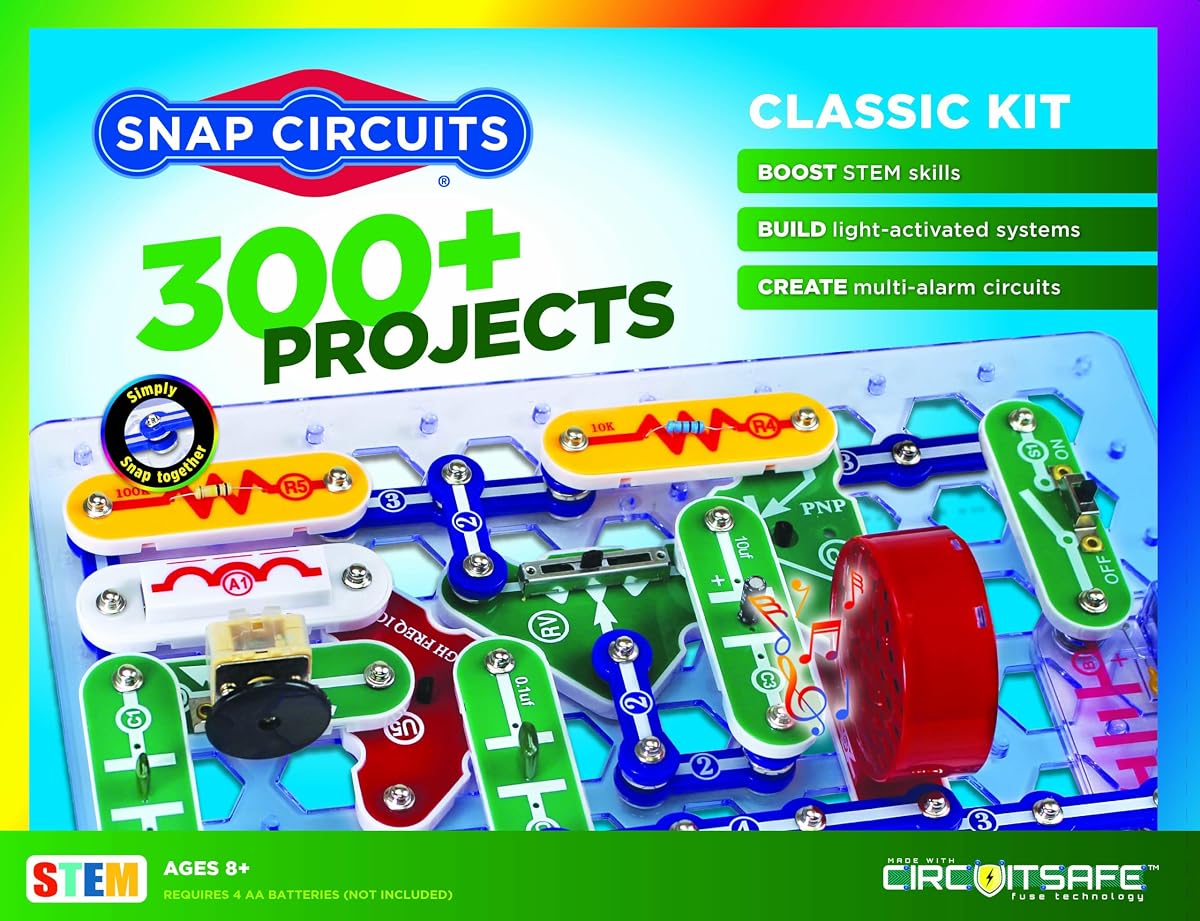
With a 4.8-star rating, SNAP CIRCUITS is the safest bet for younger teens or those who prefer physical electronics over coding. It allows building over 300 projects without any soldering. The color-coded grid makes connections intuitive.
We may earn a commission when you buy through this link, at no additional cost to you.
Each piece snaps securely into place, allowing teens to focus on circuit logic rather than wire management. Projects include AM radios and burglar alarms. It is an excellent way to visualize how electricity flows through components.
While it lacks programming elements, it lays the groundwork for understanding voltage and current. The pieces are durable and the instruction manual is comprehensive. Some advanced teens might outgrow it quickly.
This is perfect for introducing electronics concepts without technical barriers. It is a timeless educational tool that remains engaging for years.
Projects build quickly without tools. Teens can complete circuits in minutes and see immediate results with lights and sounds.
This kit has won multiple awards including the Specialty Toy of the Year. It is trusted by educators worldwide for STEM learning.
We may earn a commission when you buy through this link, at no additional cost to you.
This kit focuses on audio technology and soldering skills. While it has a 3.9-star rating, it is unique in producing a usable Bluetooth speaker. Teens learn amplifier circuits and component placement.
We may earn a commission when you buy through this link, at no additional cost to you.
The pre-soldered amplifier board simplifies the hardest parts, letting users focus on the LEDs and wiring. The acrylic enclosure is stylish and protects the components. It connects via Bluetooth or USB.
Some manuals vary by batch, so patience is required. The LED lights add a fun visual element. It is a rewarding project for those who want to build something functional rather than just prototypes.
Best for teens with some basic soldering knowledge. It builds confidence in handling tools and creating a real-world item.
Teens practice soldering in a safe environment. This is a valuable skill for future electronics work or repairs.
Unlike prototype boards, this creates a working speaker. Teens can use the result daily for music playback.
We may earn a commission when you buy through this link, at no additional cost to you.
Priced affordably, this kit is a best-value option. It retains the high 4.7-star rating for quality and usability. It focuses on turning code into real-world results through 22+ lessons.
We may earn a commission when you buy through this link, at no additional cost to you.
The inclusion of a fan blade and joystick adds unique sensory feedback. Teens learn about motor control and analog input. The pre-soldered LCD reduces the learning barrier significantly.
It is designed for first-time builders. The PDF tutorial is detailed and helps avoid common wiring errors. While it has fewer parts than the Mega kit, it covers the essentials perfectly.
Ideal for parents on a budget who still want quality. It is a reliable start for any teen starting their coding journey.
Includes a DC motor and fan blade. Teens learn to control speed and direction using code.
The joystick and IR remote allow interactive projects. Teens can build games or alarms using these inputs.
We may earn a commission when you buy through this link, at no additional cost to you.
This speaker kit stands out with its built-in 10-LED visualizer that pulses with music. It maintains a strong 4.7-star rating for assembly quality. It is designed for teens ready to solder.
We may earn a commission when you buy through this link, at no additional cost to you.
The acrylic case is transparent, showing off the internal components. The manual includes high-resolution photos to guide each step. It is a great balance of visual appeal and electronics education.
Soldering skills are essential here, making it a learning project. The Bluetooth module is simple but effective. Teens enjoy the light show aspect that adds flair to the build.
A great gift for music lovers who like tech. It is affordable and delivers a fun, functional result.
The LED lights react to audio frequencies. This teaches Teens how sound waves translate to signals.
The acrylic case reveals the circuit. It helps teens see how components are placed physically.
We may earn a commission when you buy through this link, at no additional cost to you.
The Theremin kit lets teens build an instrument controlled by electric fields. It has a 4.5-star rating for its innovative approach to sound. It uses breadboard assembly so no soldering is required.
We may earn a commission when you buy through this link, at no additional cost to you.
Teens explore capacitance and wave physics while creating music. The 22-page booklet explains the science behind the device. It is distinct from typical LED or sensor kits.
The assembly is simple but the concept is profound. It requires no soldering tools, making it accessible. However, it is a niche project compared to general coding kits.
Best for teens interested in physics and music. It offers a unique perspective on how electronics can be used creatively.
The circuit detects hand movement. Teens learn how proximity affects electrical current.
Parts snap into the breadboard. This reduces frustration for younger users or beginners.
We may earn a commission when you buy through this link, at no additional cost to you.
This is an expansion kit with a 4.7-star rating. It provides 37 distinct sensor modules for teens who already own a board. It covers light, sound, touch, and motion inputs.
We may earn a commission when you buy through this link, at no additional cost to you.
The kit includes modules like the GY-521 for motion and ultrasonic sensors. Teens can mix and match to create custom devices. It is ideal for those wanting to build complex systems.
It does not include a controller board or cables, which is a key note. However, the modules are high quality and the manuals are clear. It allows for endless experimentation.
Best for teens who need more tools for existing projects. It expands the possibilities of what they can build significantly.
Includes touch, tilt, and light sensors. This breadth allows for creative and responsive projects.
Modules are plug-and-play. Teens can swap sensors easily without re-soldering.
We may earn a commission when you buy through this link, at no additional cost to you.
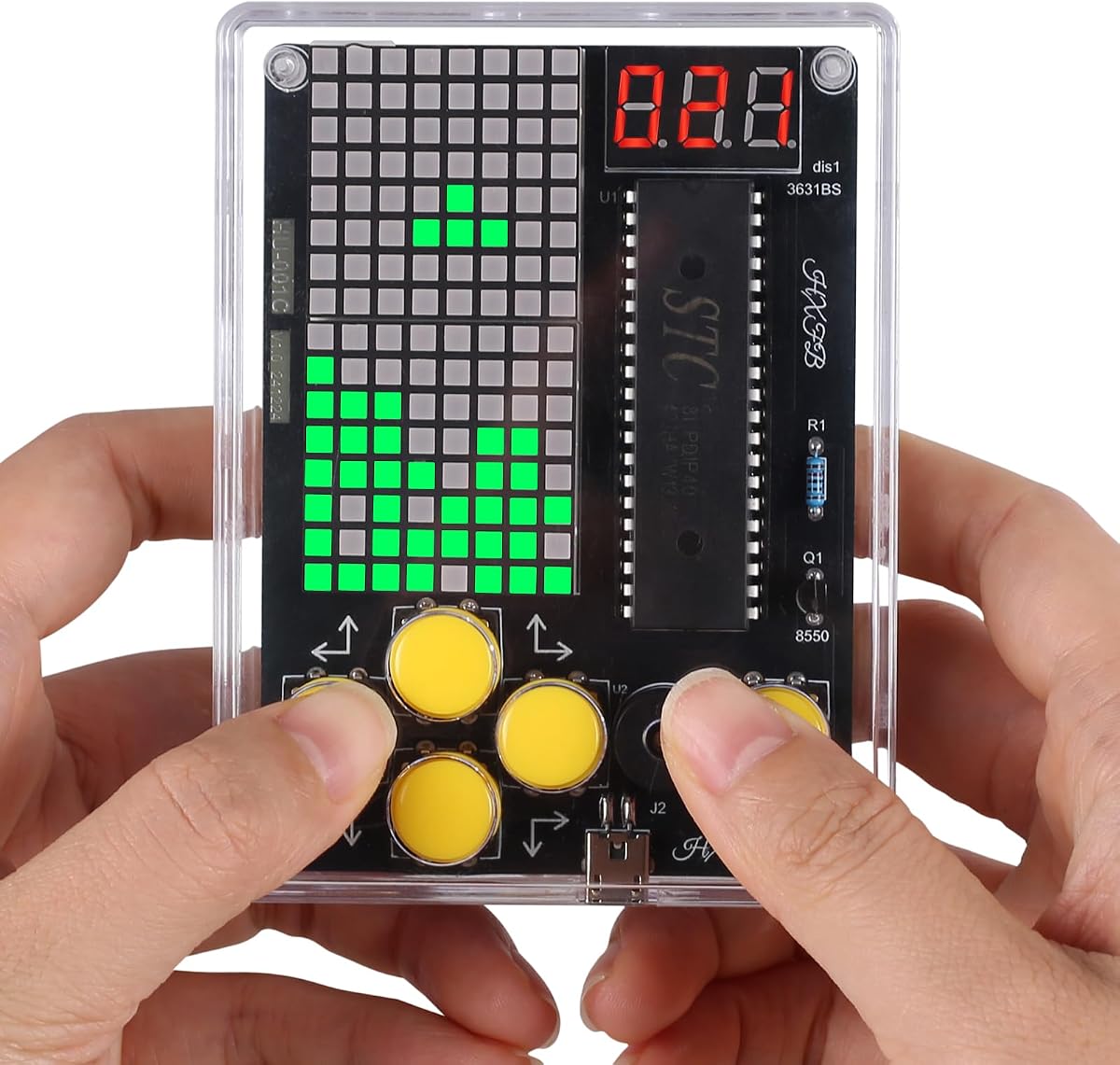
Designed for teens 15+, this kit focuses on soldering and assembly skills. With a 4.1-star rating, it is straightforward. It offers three difficulty levels to match experience.
We may earn a commission when you buy through this link, at no additional cost to you.
The kit includes 7 interactive functions that make it feel like a game. The manual includes video guidance, which is helpful for beginners. It is structured for practical learning.
It is simpler than coding kits but great for hands-on assembly. The components are basic but effective for learning. It helps build confidence in using tools safely.
Best for teens ready to focus on hardware skills. It is a solid intro to soldering without overwhelming complexity.
Three levels allow steady progress. Teens can start easy and advance to complex soldering.
The manual includes video links. This visual aid helps clarify steps that text might miss.
We may earn a commission when you buy through this link, at no additional cost to you.
Choosing the right kit depends on your teen's interest in coding, assembly, or general electronics. Consider their skill level and what tools they already have at home.
Some kits focus on programming microcontrollers like Arduino. These are ideal for teens interested in software development. Others focus purely on assembly and circuits.
If coding is the goal, choose a kit with a controller board and IDE support.
Many kits use solderless breadboards for safety. These are best for younger teens. Some projects require soldering which builds better skills but needs caution.
Ensure your teen is ready for tools if the kit requires soldering.
Look for kits with diverse sensors like motion and light. More components mean more creative projects. Avoid kits with only basic lights and wires.
Variety ensures long-term engagement and learning.
Quality kits include manuals, videos, and example code. These resources are crucial for troubleshooting. Good documentation turns frustration into learning.
Check for online support before purchasing.
Consider how the kit is powered. Some use batteries, others USB. Portable kits offer more flexibility. Ensure power sources are easy to manage.
Battery-operated kits allow projects to be mobile.
Prices vary significantly based on complexity. Expensive kits often have more parts and support. Balance cost with the number of projects included.
Value is measured by long-term use not just price.
Kits compatible with standard boards like Arduino allow growth. You can add sensors later. Modular designs extend the life of the kit.
Choose platforms that support future accessories.
Ensure components are safe for your teen's age. Avoid lasers or high voltage without supervision. Look for recognized safety certifications.
Safety is paramount for hands-on learning.
Read the manual thoroughly before assembling any parts. Organize components in small boxes to avoid losing screws or wires. This keeps your workspace tidy.
Start with the first project listed. These are designed to introduce core concepts step by step. Do not rush to complex builds immediately.
Store the kit in a dry place. Keep electronics away from water and direct sunlight. This preserves the lifespan of the components.
Most kits are designed for beginners with no prior experience. They include step-by-step guides to teach wiring and coding. However, basic reading comprehension is necessary.
Yes, most Arduino-based kits work with both Mac and PC. You just need to install the IDE software. Check the manual for specific driver requirements.
Some kits need a computer for coding. Others might need a soldering iron. Always check the product specifications for tools like screwdrivers or pliers.
Yes, most kits use standard modules like sensors. You can buy more online to expand your projects. Standard sizes make compatibility easy.
Simple projects take an hour. Complex builds can take several sessions. Patience and breaks make the process more enjoyable.
Snap kits are generally safe. Soldering kits require supervision. Check age recommendations on the packaging carefully.
The ELEGOO Mega 2560 R3 stands out as the top choice for comprehensive learning. For those on a budget, the DIY Bluetooth Speaker Kit offers great value. The Robot Car Kit is perfect for robotics enthusiasts.
Prioritize kits that offer a mix of coding and assembly. This balance builds both logic and hardware skills. Consider the tools your teen already has.
Prices and availability change quickly. Always verify the current price before buying. Investing in a good kit can inspire a lifelong passion for technology.