
TROTY Fitness Tracker
4.7Editor score
AMOLED HD touchscreen
25 sport modes
Heart rate monitoring
Finding the right fitness tracker for tennis players requires attention to specific metrics like heart rate zones and movement patterns. These devices help athletes monitor intensity during matches and track recovery between sessions effectively.
We compared ten top-rated fitness trackers based on battery life, sensor accuracy, and compatibility with tennis-specific activities. Our analysis focuses on devices that offer detailed insights without distracting from gameplay or practice routines.
Each pick highlights unique strengths tailored to different needs and budgets for serious athletes and casual players alike. Note that prices and availability can change frequently so always verify current details before making your final purchase decision.
4.7Editor score

4.3Editor score

4.2Editor score
As an Amazon Associate we earn from qualifying purchases.
This side-by-side comparison highlights key specifications across all ten models to help you decide which device aligns best with your training goals and lifestyle needs.




This Smart Watch Fitness Tracker offers exceptional value for players seeking comprehensive health monitoring without a high price tag. With a 4.2 rating it delivers reliable tracking for daily activity and general fitness needs.
We may earn a commission when you buy through this link, at no additional cost to you.
The device features a crisp 1.58 inch display that ensures visibility during outdoor practice. It supports over 120 exercise modes covering tennis and other sports while monitoring heart rate blood oxygen and sleep patterns.
Users may find the GPS relies on phone connectivity which can be a slight inconvenience during court time. However the battery life and feature set justify this trade-off for budget conscious athletes.
Best suited for casual players or those new to tech driven training this tracker provides essential insights. Its intuitive interface and customizable watch faces make it a versatile companion for daily wear.
The ultra high resolution display provides vibrant colors and crisp clarity making it easy to glance at stats mid workout.
Real-time monitoring of heart rate and blood oxygen helps players stay aware of their physiological state during intense rallies.
We may earn a commission when you buy through this link, at no additional cost to you.
The Google Fitbit Inspire 3 stands out for its focus on overall well-being alongside physical activity. It earns a solid 4.2 rating for helping users find energy balance and improve daily habits.
We may earn a commission when you buy through this link, at no additional cost to you.
Key strengths include the Daily Readiness Score and Active Zone Minutes which guide training intensity. The device tracks sleep quality and stress levels providing a holistic view of recovery needs.
While it lacks built-in GPS which limits outdoor tracking independence the automatic exercise detection works well for court sessions. The battery life is shorter than some competitors requiring more frequent charging.
Ideal for players prioritizing health metrics over advanced sports data this tracker offers a user-friendly experience. Its lightweight design ensures comfort during long matches or sleep periods.
This feature analyzes your readiness to exercise based on activity and recovery to help avoid overtraining.
Daily Stress Management Score and mindfulness sessions help players stay calm under pressure during competitive play.
We may earn a commission when you buy through this link, at no additional cost to you.
The Google Fitbit Charge 6 combines fitness tracking with Google ecosystem features for a seamless experience. It provides accurate GPS data without needing a phone which is useful for outdoor tennis practices.
We may earn a commission when you buy through this link, at no additional cost to you.
Strengths include turn-by-turn directions and contactless payments making it convenient for players on the go. The stress management score and Sleep Score offer personalized insights into health and recovery patterns.
A downside is the reliance on a premium membership for personalized coaching features which adds to the cost. Additionally the device may not have specialized tennis modes compared to sport specific watches.
Best for tech-savvy users within the Google ecosystem this tracker offers robust connectivity. It suits players who want navigation and payment features alongside standard fitness metrics.
Independent GPS ensures precise tracking of outdoor runs and warm-up routes without carrying a smartphone.
Integration with Google Maps and Wallet enhances daily utility for athletes needing quick access to directions and payments.
We may earn a commission when you buy through this link, at no additional cost to you.
The Google Fitbit Air Special Edition offers a unique screenless experience designed for uninterrupted focus. With a 4.3 rating it appeals to athletes who prefer minimal visual interference during intense physical activity.
We may earn a commission when you buy through this link, at no additional cost to you.
Its lightweight design and micro-adjustable fit ensure it stays comfortable on the wrist during serves and volleys. The water resistant coating makes it ideal for sweaty matches and humid conditions.
Without a screen users cannot view real-time stats which may limit motivation for some. Battery life is excellent lasting up to a week so charging is less frequent during tournaments.
This tracker is perfect for players who want health insights without notifications interrupting their flow. It works well for those prioritizing recovery and stress management over immediate data feedback.
The absence of a screen removes distractions allowing athletes to concentrate fully on their performance and technique.
Fast charging capabilities and long battery life ensure the device is always ready for travel and tournaments.
We may earn a commission when you buy through this link, at no additional cost to you.
The WHOOP 5.0 is widely recognized by professional athletes for its detailed recovery and strain analysis. It provides a complete picture of health and performance without any screen distractions.
We may earn a commission when you buy through this link, at no additional cost to you.
Strengths include the personalized coaching that adapts as your body changes. The real-time stress monitor pinpoints stressors and shows how your body responds in the moment for better decisions.
A major drawback is the requirement for a membership which can be costly over time. Additionally it lacks built-in GPS so outdoor distance tracking requires phone connectivity or other tools.
Best for elite performers or those serious about optimization this device offers unmatched data depth. It is ideal for players focused on longevity and injury prevention through science-backed insights.
Understand how daily habits shape long-term health and take action to extend your prime years.
WHOOP AI analyzes metrics to give specific guidance on sleep targets and strain goals tailored to your body.
We may earn a commission when you buy through this link, at no additional cost to you.
The TROTY Fitness Tracker delivers a surprisingly capable experience at an entry-level price point. With a 4.7 rating it satisfies basic tracking needs for casual players and beginners.
We may earn a commission when you buy through this link, at no additional cost to you.
Key strengths include the durable stainless steel frame and skin-friendly straps that offer comfort during wear. The AMOLED HD touchscreen provides clear visibility of data like heart rate and sleep quality.
While it tracks steps and distance accurately it lacks advanced metrics like GPS or detailed workout analysis. The app ecosystem is functional but does not offer the depth of premium platforms.
This device is perfect for those starting their fitness journey or needing a secondary tracker. It offers reliable basic stats without breaking the bank.
The 1.10 inch AMOLED HD touchscreen design offers clarity and invigorating watch faces for daily motivation.
Features like call reminders and drink water alerts add convenience to daily routines without being intrusive.
We may earn a commission when you buy through this link, at no additional cost to you.
The Garmin vívoactive 5 combines smartwatch functionality with robust health tracking for active lifestyles. Its 4.3 rating reflects strong performance in battery efficiency and sports versatility.
We may earn a commission when you buy through this link, at no additional cost to you.
Strengths include up to 11 days of battery life which is impressive for a GPS smartwatch. The Body Battery energy monitoring helps you understand when you are charged up or need to rest.
While it supports 30 built-in sports apps tennis is included but may lack specific stroke analysis. The AMOLED display is bright and easy to read even under direct sunlight.
Best for all-around athletes this watch balances features well without requiring a subscription. It is suitable for players who want reliability and long usage between charges.
Understand when you are charged up or need to rest based on sleep stress and workout data.
Get a sleep score and personalized coaching to improve your rest and recover better between matches.
We may earn a commission when you buy through this link, at no additional cost to you.
The Amazfit Active Max boasts a stunning 1.5 inch AMOLED display that stands out in bright conditions. With a 4.5 rating it is a strong contender for users prioritizing visual clarity and endurance.
We may earn a commission when you buy through this link, at no additional cost to you.
Key strengths include the 25 day battery life and 4GB of onboard storage for music and maps. The Zepp Coach adapts plans based on performance and recovery to help you train smarter.
The device is robust and may feel slightly heavy during rapid wrist movements like volleys. However the offline maps make it a great choice for outdoor training sessions in remote areas.
Ideal for adventurers and runners who also play tennis this watch offers superior battery and screen quality. It is best for those who value navigation and music storage alongside fitness metrics.
The 3000 nit display ensures you see data clearly even under the harshest sunlight on the court.
Train smarter with personalized AI-driven workout plans that adapt to your performance and recovery goals.
We may earn a commission when you buy through this link, at no additional cost to you.
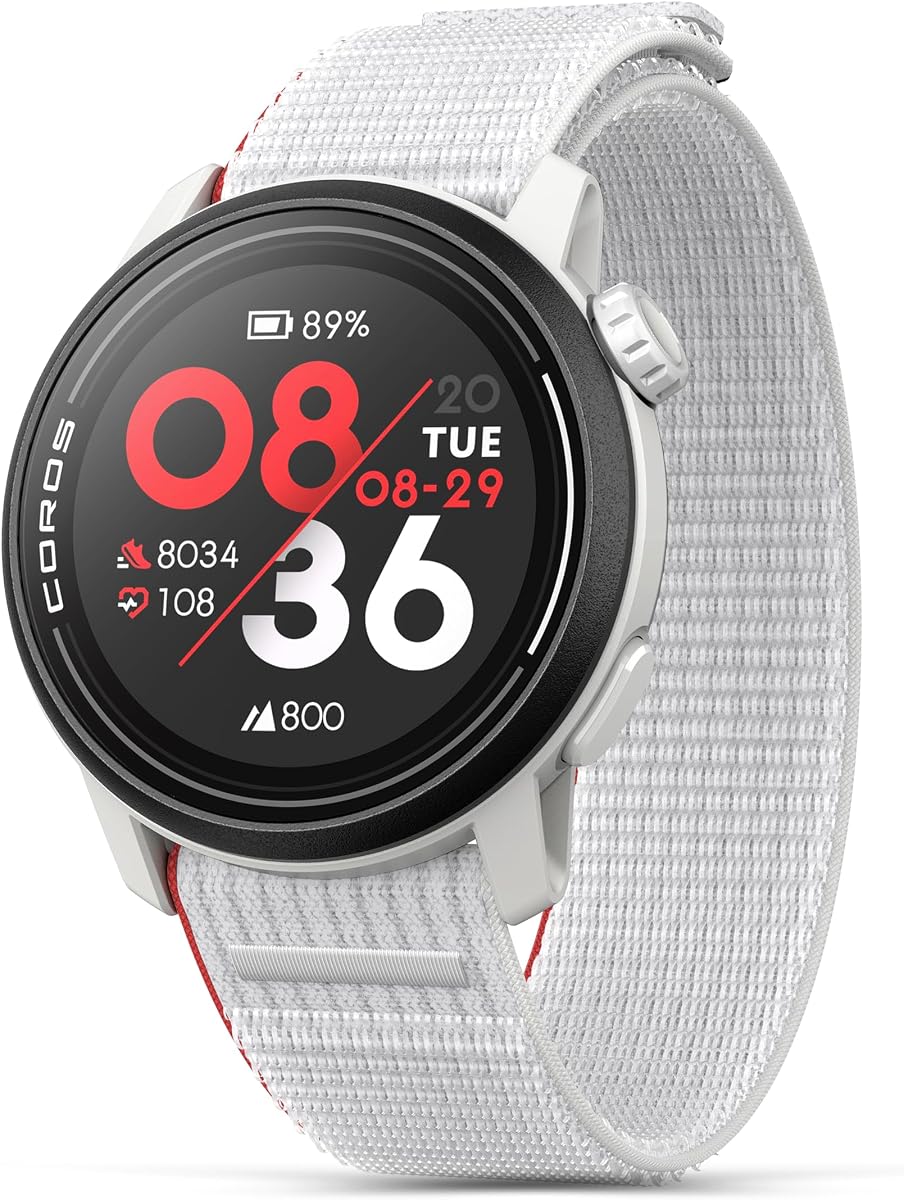
The COROS PACE 3 merges an ultra-slim profile with a featherweight design for distraction-free comfort. It is built for endurance and speed with accurate GPS tracking in any environment.
We may earn a commission when you buy through this link, at no additional cost to you.
Strengths include a 30g weight that barely feels like it is on your wrist. The dual-frequency chipset ensures accurate GPS tracks even in high-rise cities or dense courts.
While it is a sport watch it has limited smart features compared to full smartwatches. It does not offer music storage but focuses purely on performance data.
Best for serious athletes who value comfort and accuracy this watch is a top choice. It suits players who want a lightweight tool for tracking runs and general activity without bulk.
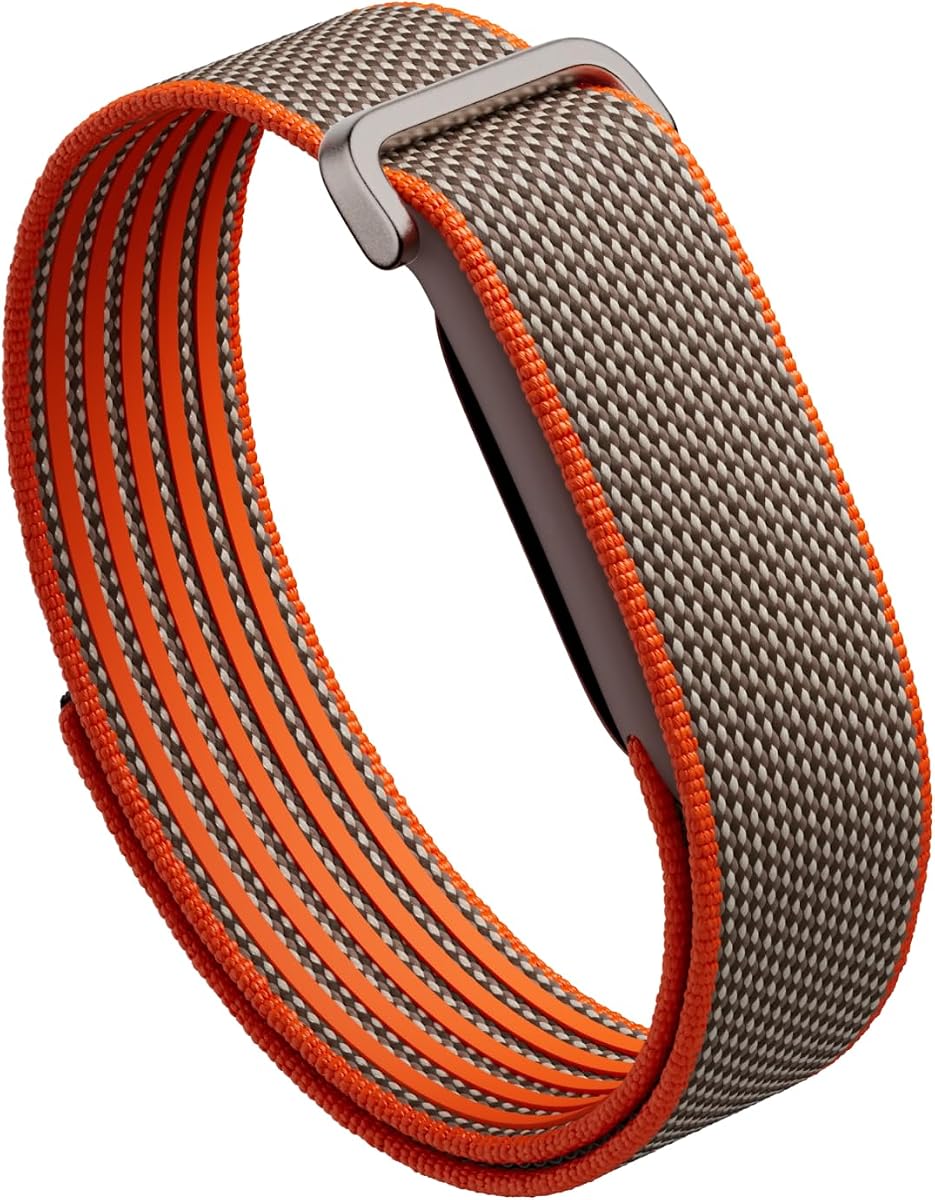
Designed for 24/7 wear the nylon band and slim profile ensure comfort during sleep and practice.
Dual-frequency satellite chipset keeps GPS tracks accurate even in challenging environments like dense cities.
We may earn a commission when you buy through this link, at no additional cost to you.
The Garmin Forerunner 165 is an easy-to-use running smartwatch that offers personalized daily suggested workouts. It earns a 4.6 rating for its helpful training insights and user-friendly interface.
We may earn a commission when you buy through this link, at no additional cost to you.
Strengths include the morning report which gives an overview of sleep recovery and training outlook alongside weather. The AMOLED touchscreen display provides brilliant visuals with traditional button controls for ease of use.
A minor con is the focus on running metrics which may not include specialized tennis stats. However the safety features like incident detection add value for those training alone.
Ideal for runners who also play tennis this watch balances performance and safety well. It is best for users who appreciate adaptive training plans and clear daily health summaries.
Reach your goals with workouts that adapt based on your current performance and recovery state.
Get an overview of your sleep recovery and training outlook alongside weather when you wake up.
We may earn a commission when you buy through this link, at no additional cost to you.
Choosing the right fitness tracker for tennis players involves balancing tracking accuracy with durability and battery life. This guide outlines the essential factors to help you make an informed decision.
GPS accuracy is critical for tracking outdoor warm-ups and movement patterns. Look for devices with built-in GPS to avoid relying on your phone which can be cumbersome on the court.
Prioritize models with dual-frequency GPS if you train in urban areas or around buildings.
Battery life determines how often you need to charge your device during tournaments or travel. Aim for at least a week of usage to avoid interruptions in data collection.
A device with fast charging can be helpful if you need quick power before a match.
Check that the tracker supports general activity tracking if a specific tennis mode is unavailable. Many devices allow you to customize workout names or track heart rate zones during play.
Look for auto-detection features that recognize when you start moving to save manual inputs.
The display should be bright enough to be seen under direct sunlight on the court. A lightweight design ensures the tracker does not interfere with wrist movement during serves.
Opt for a screenless tracker if you find notifications distracting during play.
Heart rate monitoring and sleep tracking are vital for understanding recovery needs. Advanced trackers also monitor stress and readiness scores to guide daily training intensity.
Ensure the device tracks metrics relevant to your fitness goals and health concerns.
Tennis involves sweat and varying weather conditions so water resistance is essential. Look for IP68 ratings or higher to ensure the device withstands daily wear and washable.
Choose a model with a durable strap that stays secure during vigorous activity.
The companion app should offer detailed analysis and integration with other health platforms. Ensure the device syncs smoothly with your smartphone for notifications and data backup.
Consider if the device requires a subscription for advanced features before buying.
Budget options provide basic tracking but may lack advanced metrics like GPS. Premium models offer deeper insights and coaching but often come with higher costs or subscription fees.
Choose a device that fits your financial constraints while meeting your core fitness needs.
Start by calibrating the device to your wrist size and setting up your health profile for accurate tracking. Wear it snugly on the top of your wrist to ensure sensors maintain contact during activity.
Sync your tracker regularly with the companion app to review progress and update settings. Most devices allow you to customize workout modes or notifications directly from the smartphone.
Clean the device and strap after sweaty sessions with mild soap and water to prevent irritation. Allow it to dry completely before reattaching to avoid moisture damage to the sensors.
While not all devices have a dedicated tennis mode most offer general sports tracking that records heart rate and activity intensity. You can often customize a generic sport name to tag your sessions correctly.
Check the band specifications to ensure the tracker fits your wrist circumference. Adjustable straps are ideal for a secure fit that stays in place during play.
Most modern fitness trackers are water resistant and sweat proof making them suitable for outdoor conditions. Look for IP68 or higher ratings to ensure durability against rain and moisture.
Yes by monitoring heart rate zones and recovery time these devices help you train efficiently. They provide data that can guide rest days and intensity levels to prevent burnout.
Basic features usually work without a subscription but some advanced coaching or historical data may require a plan. Always check the device details to understand what is included free versus premium.
Sleep tracking uses motion and heart rate data to estimate sleep stages which can be quite accurate. It helps players understand rest quality which is vital for physical recovery between matches.
Rules vary by tournament but many amateur events allow non-intrusive wearables. Check specific guidelines regarding electronics and notifications before wearing a tracker during competition.
Battery life ranges from a few days to several weeks depending on features. GPS usage reduces battery life so consider your usage patterns when selecting a model.
Our top picks range from affordable options like the TROTY Fitness Tracker to premium choices like the WHOOP 5.0. Each model offers unique benefits tailored to different training needs and budgets.
Prioritize features like battery life and GPS accuracy if you train outdoors frequently. For recovery focused athletes devices with stress and readiness scores provide valuable insights into daily performance.
Remember to check current prices and availability before purchasing as these details can change. The right tracker can enhance your journey by providing data that supports smarter training and better health.