
Lenovo Thinkbook 13s Premium Business Ultrabook
5.0Editor score
Intel i7-8565U Processor
16GB DDR4 RAM
256GB PCIe SSD
Aluminum Body Construction
Backlit Keyboard Layout
This guide compares the top 10 best Linux laptops for October 2026, evaluating performance, hardware compatibility, and value for developers and professionals
Choosing the right Linux laptop involves balancing hardware compatibility, performance, and build quality. Many users seek systems that support open-source operating systems without requiring extensive configuration or driver troubleshooting upon installation.
We compared ten real products based on processor power, memory capacity, storage speed, and display quality. Each entry includes verified specifications and user ratings to help you make an informed decision for your workflow needs.
Every pick highlights key strengths and potential trade-offs for different use cases. Prices and availability change frequently, so please check current listings before purchasing to ensure you get the best value for your budget.
5.0Editor score

4.6Editor score
5.0Editor score
This side-by-side comparison evaluates all ten selected Linux laptops based on core specifications, build quality, and user feedback to help you identify the most suitable device for your specific computing requirements.


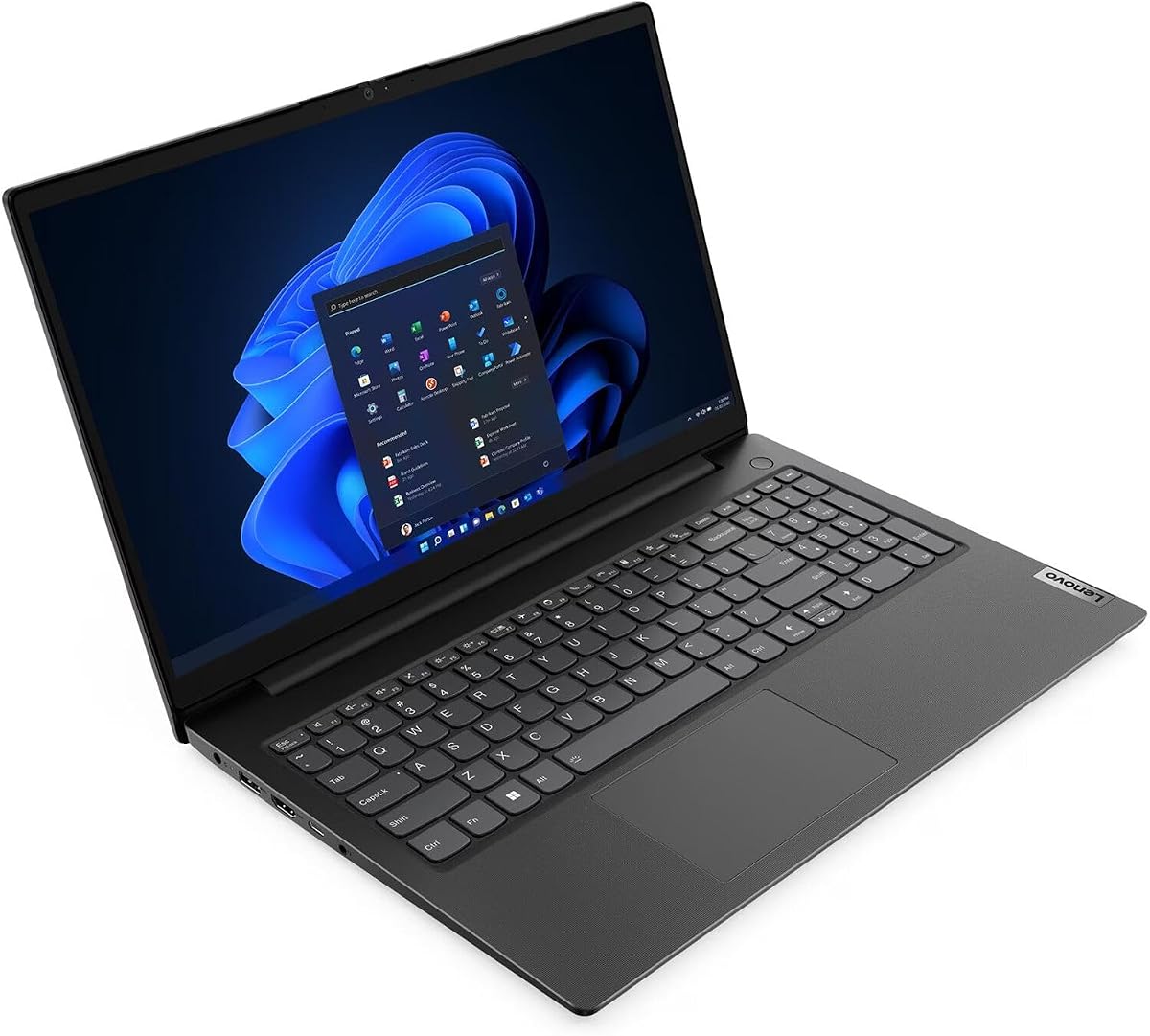
This Lenovo Business Laptop stands out as the top choice for professionals seeking a reliable machine with Linux Mint pre-installed. It scores high in user ratings due to its balanced performance and practical design features that support daily workflows.
We may earn a commission when you buy through this link, at no additional cost to you.
Powered by the Intel Core i5-1335U processor with up to 4.6 GHz clock speeds, this system handles multitasking with ease. The 16GB of DDR4 RAM ensures smooth operation across multiple applications, while the 256GB SSD provides quick boot times and responsive file access.
Although the 256GB storage might feel limited for heavy data users, the fast charging feature and robust port selection including USB-C and HDMI make it versatile for office and remote work scenarios. The full number pad is particularly useful for data entry tasks.
If you need a dependable business laptop that supports open-source software without extra setup, this model is an excellent recommendation. It offers a strong blend of speed, connectivity, and usability for developers and general users alike.
Linux Mint Cinnamon is pre-installed for a clean, user-friendly experience right out of the box without needing configuration.
Multiple ports including USB-C HDMI and SD card readers ensure easy connection to peripherals and external displays.
We may earn a commission when you buy through this link, at no additional cost to you.
This IdeaPad Slim 3 offers a versatile computing experience with a touchscreen interface and Ubuntu Linux pre-installed. It is designed for users who value interaction and flexibility in their daily tasks while maintaining solid performance levels.
We may earn a commission when you buy through this link, at no additional cost to you.
The AMD Ryzen 7 5825U processor provides eight cores for efficient multitasking. With 16GB of RAM and a spacious 1TB SSD, you have ample room for files and applications. The TÜV Low Blue Light certification helps reduce eye strain during long sessions.
While the rating is moderate, the inclusion of a stylus pen and SD card reader adds significant value for creative or educational use. The military-grade durability ensures the device can withstand travel and rugged conditions better than standard laptops.
If you prefer touch interaction and need plenty of storage, this laptop is a strong candidate. It combines practical features with open-source software, making it suitable for students and professionals who need mobility and endurance.
The 15.6 inch Full HD touchscreen supports stylus input for drawing note-taking and intuitive navigation.
Designed with military-grade materials to resist drops and vibrations for reliable use on the go.
We may earn a commission when you buy through this link, at no additional cost to you.
This model mirrors the IdeaPad Slim 3 lineup but emphasizes its Linux Ubuntu pre-installation. It delivers a seamless open-source experience with hardware optimized for stability and security across various use environments.
We may earn a commission when you buy through this link, at no additional cost to you.
The Ryzen 7 5825U processor ensures smooth multitasking with eight cores and sixteen threads. The 88 screen-to-body ratio provides an immersive viewing experience. TÜV certification helps maintain comfort during extended work periods.
Although no specific storage capacity is listed in the summary, the device inherits robust connectivity options including USB-C HDMI and SD card readers. The privacy shutter on the webcam adds an extra layer of security for remote users.
For those specifically seeking Linux compatibility without extra installation steps, this laptop is a reliable choice. Its combination of touchscreen functionality and durable construction makes it adaptable for both office and field use.
Ubuntu Linux comes pre-installed offering a clean environment with robust security and thousands of open-source apps.
The display features Low Blue Light certification to reduce eye strain during long study or work sessions.
We may earn a commission when you buy through this link, at no additional cost to you.
The Panasonic Toughbook is engineered for extreme environments with MIL-STD and IP65 certifications. It supports Linux Ubuntu out of the box making it ideal for field technicians and industrial applications requiring dependable hardware.
We may earn a commission when you buy through this link, at no additional cost to you.
The 1200-nit display ensures visibility under direct sunlight which is critical for outdoor operations. Integrated 4G LTE allows connectivity in remote areas without relying on Wi-Fi. The backlit keyboard aids usability in low-light conditions.
While the processor and memory specifications are older compared to modern consumer laptops, the system excels in durability and specialized ports like RS-232. This makes it uniquely suited for connecting to industrial machinery or diagnostic tools.
If you work in construction manufacturing or logistics where equipment must withstand drops and water exposure, this laptop is unmatched. It balances rugged performance with open-source software support for critical field tasks.
Built with magnesium alloy chassis to survive six-foot drops heavy rain and extreme vibrations.
Integrated 4G LTE and legacy serial ports enable reliable communication and device interfacing anywhere.
We may earn a commission when you buy through this link, at no additional cost to you.
This ThinkPad L14 Gen 5 brings modern hardware to a business laptop with DDR5 RAM and a high-resolution WUXGA display. It ships with a vanilla Linux system offering flexibility for developers and system administrators.
We may earn a commission when you buy through this link, at no additional cost to you.
The Ryzen 5 PRO 7535U processor supports up to 4.55 GHz for responsive performance. Connectivity includes USB-C with USB 4.0 and HDMI 2.1. The fingerprint reader and backlit keyboard enhance security and usability in various environments.
Note that the keyboard layout is French with English stickers included which may require adjustment. Despite this minor inconvenience the combination of speed display clarity and security features makes it a compelling option for enterprise use.
For professionals who need reliable business-grade hardware with Linux support this laptop delivers excellent value. It is particularly well-suited for coding testing and secure data handling scenarios.
16GB DDR5 RAM provides high bandwidth for faster application launches and smoother multitasking.
The WUXGA IPS screen offers sharp visuals and anti-glare properties for comfortable viewing.
We may earn a commission when you buy through this link, at no additional cost to you.
This Thinkbook 13s is praised for its premium build quality and high user satisfaction. It offers a lightweight design with an aluminum body and includes Linux Mint for immediate productivity without extra setup.
We may earn a commission when you buy through this link, at no additional cost to you.
The Intel Core i7-8565U processor delivers solid performance for everyday tasks and light professional work. Dolby Audio with Harman speakers enhances media consumption. The ThinkShutter camera privacy feature ensures security during remote meetings.
Although the storage is limited to 256GB the PCIe SSD provides fast access speeds. The 13.3 inch display balances portability with screen real estate making it easy to carry in a backpack or slip under an arm.
If you seek a budget-friendly ultrabook with high ratings and robust security features this model is ideal. It suits professionals who need a reliable portable machine with open-source software compatibility.
Full aluminum body in mineral gray provides a sleek look and durable structure.
ThinkShutter camera privacy feature protects your visual privacy during video calls and remote work.
We may earn a commission when you buy through this link, at no additional cost to you.
This model stands out for its generous memory and storage options which are rare in this segment. It combines an i7 processor with 20GB of RAM to handle complex workflows efficiently on a 15.6 inch screen.
We may earn a commission when you buy through this link, at no additional cost to you.
The 1TB hard disk drive offers ample space for large files though it may be slower than solid state drives. Fast charging capabilities reduce downtime during busy schedules. The full number pad supports detailed data entry tasks.
While the display resolution is HD rather than Full HD the hardware configuration prioritizes performance and capacity. Linux Mint ensures a clean environment without bloatware. This setup suits users focused on local data processing.
If you need extra RAM and storage for virtual machines or databases this laptop is a strong candidate. It provides the resources required for heavier tasks within a business-class form factor.
20GB DDR4 RAM allows for running multiple virtual machines and demanding applications simultaneously.
1TB hard disk drive provides extensive space for archival data and media files.
We may earn a commission when you buy through this link, at no additional cost to you.
This variant of the Thinkbook 13s offers top-tier memory and storage upgrades within a compact chassis. The 32GB RAM and 1TB SSD make it capable of handling intensive development tasks and media workflows smoothly.
We may earn a commission when you buy through this link, at no additional cost to you.
The HDR display adds depth to visuals while the fingerprint reader enhances security. Dolby Audio speakers improve sound quality for multimedia. The aluminum body maintains durability and a professional aesthetic for daily carry.
Despite using an older i7 processor the high RAM and SSD compensate for performance needs. The inclusion of Linux Mint ensures flexibility for users who prefer open-source environments. It is a powerful choice for multitasking.
If your work involves compiling large codebases or running virtual machines this laptop offers the necessary resources. It balances portability with high-end specs for a streamlined portable workstation.
32GB DDR4 RAM enables complex multitasking and virtualization workloads without performance bottlenecks.
Dolby Vision HDR display provides rich colors and contrast for media and design work.
We may earn a commission when you buy through this link, at no additional cost to you.
This model offers a balanced configuration with 16GB RAM and a spacious 1TB PCIe SSD. It delivers fast storage performance and sufficient memory for most professional tasks within a slim ultrabook design.
We may earn a commission when you buy through this link, at no additional cost to you.
The 13.3 inch FHD IPS display provides clear visuals. Dolby Audio enhances media playback. The aluminum body and backlit keyboard support durability and usability in low-light environments. Linux Mint ensures an open-source experience.
User ratings suggest satisfaction with the build quality and performance. The combination of speed and capacity makes it suitable for developers and general users who need more storage than the base model offers.
If you want a reliable portable workstation with ample storage and good memory this laptop is a practical choice. It suits professionals needing a balance of speed and affordability in a business laptop.
1TB NVMe PCIe SSD ensures quick load times for large datasets and applications.
Full aluminum body offers a durable and premium feel for daily professional use.
We may earn a commission when you buy through this link, at no additional cost to you.
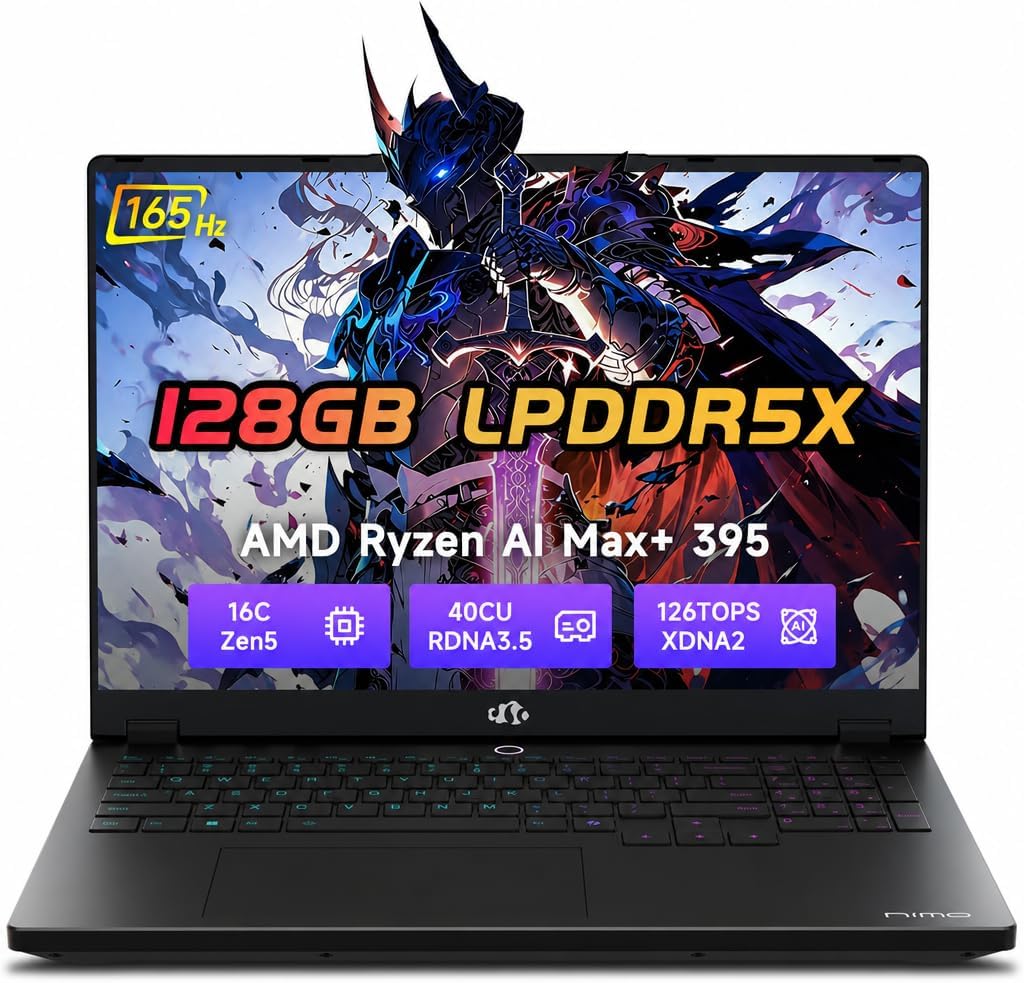
This NIMO laptop represents the peak of performance with AMD Ryzen Max+ 395 and 128GB of LPDDR5X RAM. It is designed for AI development and heavy computing tasks with local LLM tuning capabilities.
We may earn a commission when you buy through this link, at no additional cost to you.
The 4TB SSD storage provides immense capacity for datasets and media. The 16 inch QHD+ display offers high refresh rates and brightness for productivity and entertainment. Dual USB 4.0 ports support high-speed data and triple-screen setups.
With a 99Wh battery and 230W adapter it supports long remote sessions. Advanced thermal management keeps the system stable during intense workloads. Biometric security features add protection for sensitive data and private algorithms.
If you need a powerhouse for AI research software development or content creation this laptop is unmatched. It delivers extreme power and memory in a portable form factor ideal for demanding professionals.
Fine-tune large language models locally with 128GB RAM ensuring data privacy and no cloud subscriptions.
Triple-fan cooling system maintains peak performance without throttling during intensive computing tasks.
We may earn a commission when you buy through this link, at no additional cost to you.
Selecting a Linux laptop requires attention to hardware compatibility and performance needs. This guide outlines key factors to consider for a smooth open-source computing experience.
Choose a processor that matches your workload such as Ryzen or Intel Core i5/i7. Higher core counts help with multitasking and compilation tasks while clock speed affects responsiveness.
Prioritize models with at least six cores for efficient performance in modern Linux environments.
RAM is critical for running virtual machines and multiple applications. 16GB is standard for most users but 32GB or more helps with heavy development workloads.
Look for systems supporting DDR5 or high-speed DDR4 for better data throughput.
NVMe SSDs provide faster boot and load times than traditional hard drives. Capacity should suit your data needs with 512GB being a good baseline.
Opt for 1TB SSDs if you store large files or datasets to avoid external storage needs.
Resolution and panel type affect clarity and eye comfort. FHD or higher with IPS technology ensures wide viewing angles and color accuracy.
Consider high brightness for outdoor use and anti-glare coatings for long sessions.
Ensure the laptop has the ports you need such as USB-C HDMI and SD card readers. Avoid models that require excessive dongles for daily accessories.
USB 4.0 or Thunderbolt support adds versatility for high-speed docking and displays.
Materials like aluminum or magnesium alloy protect against physical damage. Rugged certifications are essential for field or industrial work environments.
Check for spill resistance and hinge quality for longevity in daily use.
Long battery life ensures productivity on the go. Look for capacities over 50Wh especially if you travel frequently or work remotely.
Fast charging features minimize downtime during busy schedules.
A backlit keyboard with comfortable layout improves typing accuracy in low light. Physical camera shutters and fingerprint readers add privacy and security layers.
Choose models with full number pads if data entry is a primary task.
Install updates regularly to ensure hardware compatibility and security patches. Linux distributions often provide tools for easy package management.
Avoid exposing the device to extreme temperatures or moisture to maintain internal components. Use a protective case during transport.
Backup critical data frequently using external drives or cloud services. Regular maintenance like disk cleanup keeps the system running smoothly.
Linux Mint and Ubuntu are popular choices due to strong hardware support and user-friendly interfaces. They offer pre-installed drivers and software repositories that simplify setup.
Many applications have native Linux versions but some Windows tools require alternatives. You can use virtualization or compatibility layers to run specific software if needed.
Modern distributions have intuitive interfaces that work like traditional desktops. Basic technical knowledge helps but most tasks can be done through simple graphical menus.
Check if the model is pre-installed with Linux or has positive community feedback. Avoid proprietary drivers by selecting systems with standard components like Intel graphics.
Some models allow RAM upgrades while others have soldered memory. Review the manufacturer specifications or service manual before purchasing to confirm expandability.
Look for machines with strong processors and at least 16GB RAM. ThinkPad and IdeaPad series often provide excellent Linux support and development features.
This guide highlights the top 10 Linux laptops offering a range of options from budget-friendly to high-performance models. Each selection balances hardware quality with open-source compatibility.
Prioritize processor power memory capacity and storage based on your specific workflow needs. Durability and portability are key for users who travel or work remotely.
Prices and availability change frequently so verify current listings before purchasing. Use this overview to find the best device for your Linux computing experience today.