
SONOFF Zigbee Human Presence Sensor SNZB-06P
4.0Editor score
5.8GHz radar
Light sensing built-in
Zigbee 3.0
Compare the top Home Assistant Human Presence Sensors featuring mmWave radar, Zigbee, and Wi-Fi for reliable automation and lighting control in 2026.
Finding the right smart sensor for your home automation setup can be challenging when you need reliable detection without constant false triggers. Home Assistant Human Presence Sensors use advanced radar technology to detect even stationary humans, solving the limitations of traditional motion detectors that require movement to trigger events. These devices ensure lights stay on while you read or relax and turn off only when the room is truly empty, enhancing both convenience and energy efficiency.
To create this comprehensive guide, we evaluated the leading models available for integration with Home Assistant and other major smart home platforms. Our analysis focused on detection accuracy, connectivity options like Wi-Fi and Zigbee, ease of setup, and additional features such as ambient light sensing and zone configuration. We considered user feedback, technical specifications, and real-world performance to rank these sensors based on their ability to deliver seamless automation experiences across various room types and use cases.
Each pick in this list highlights a specific strength, whether it is budget-friendly pricing, advanced AI learning, or versatile ecosystem compatibility. You will find detailed reviews that cover setup requirements, detection range, and how well each sensor handles stationary presence scenarios like sleeping or working at a desk. Please note that product availability and pricing can change over time, so always verify current details before making your final purchase decision for your smart home network.
4.0Editor score

4.4Editor score

3.6Editor score
This side-by-side comparison highlights key specifications across all ten selected sensors to help you quickly identify the model that best fits your Home Assistant setup and specific room requirements.


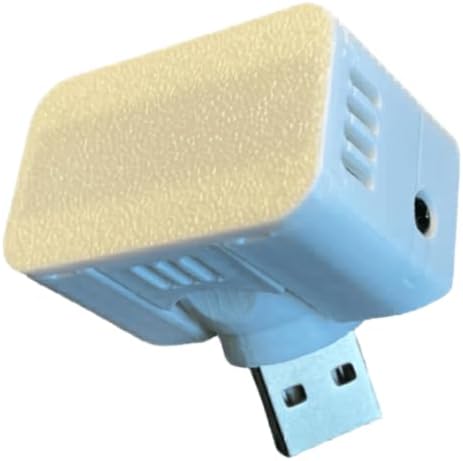


The Akamatis Human Presence & Light Sensor Litos v3 stands out as a top-tier option for users deeply invested in the Home Assistant ecosystem. With a solid 4.4-star rating, this sensor combines mmWave radar technology with an integrated ambient light sensor to provide highly accurate presence detection. Its compact design and light-permeable front panel ensure that lighting conditions are measured correctly without interference from the device casing.
We may earn a commission when you buy through this link, at no additional cost to you.
This sensor excels in automations that rely on both presence and light levels, such as turning lights on only when someone is in a dark room. The HLK-LD2401 radar module detects stationary objects up to 20 feet away, eliminating the need for users to wave their hands to keep lights on. Pre-flashed with ESPHome firmware, it simplifies setup significantly, allowing you to connect via a hotspot and enter Wi-Fi credentials without technical hurdles.
While the reliance on Home Assistant means it may not suit all smart home platforms, the depth of local control it offers is unparalleled. The external antenna improves Wi-Fi stability, which is crucial for consistent performance in larger homes. However, users should note that basic familiarity with Home Assistant is recommended to get the most out of its advanced customization options.
For those seeking a reliable, plug-and-play solution that handles both motion and stationary presence with grace, the Litos v3 is an excellent choice. It balances performance, aesthetics, and ease of use effectively, making it ideal for bedrooms, living rooms, and hallways where consistent lighting automation is key.
The integrated VEML7700 sensor matches human eye sensitivity, enabling precise rules that activate lights based on actual room darkness.
Pre-configured ESPHome firmware allows direct connection to Home Assistant without needing manual flashing or complex command line steps.
We may earn a commission when you buy through this link, at no additional cost to you.
The Akamatis Human Presence Sensor v2.2 offers a robust solution for users seeking dependable motion detection within the Home Assistant platform. Rated 4.4 stars by users, it utilizes the HLK-LD2410B radar module to distinguish between moving and stationary humans effectively. This capability ensures that lights remain on during activities like reading or working at a desk, addressing the common frustration of premature light shutoff.
We may earn a commission when you buy through this link, at no additional cost to you.
Its plug-and-play design is a significant advantage, as it comes pre-flashed with ready-to-use ESPHome firmware. You simply connect to the device hotspot and enter your Wi-Fi credentials, avoiding the need for manual configuration or flashing tools. The external antenna enhances connectivity range and stability, making it suitable for larger rooms or areas with potential signal interference.
While it shares the requirement of an existing Home Assistant setup with other models in this lineup, the trade-off is granular control and local processing. Users appreciate the ability to fine-tune sensitivity to match their specific room layouts. However, ensuring a consistent USB-C power source is essential for continuous operation, which may limit placement options compared to battery-powered alternatives.
This sensor is ideal for tech-savvy users who prioritize precise automation and are comfortable managing local smart home infrastructure. Its combination of advanced radar sensing and ease of connectivity makes it a strong contender for those building a comprehensive Home Assistant system.
Millimeter-wave radar provides higher precision than traditional PIR sensors, covering larger areas with fewer units.
All main components are FCC-certified, ensuring compliance and reliable operation over time without regulatory issues.
We may earn a commission when you buy through this link, at no additional cost to you.
This Zigbee Human Presence Sensor delivers exceptional value for users looking to integrate reliable presence detection without a high price tag. With a 4.0-star rating, it leverages 24GHz millimeter wave radar to detect both moving and stationary individuals effectively. This technology solves the issue of lights turning off unexpectedly when you are sitting still, ensuring a more comfortable and automated home environment.
We may earn a commission when you buy through this link, at no additional cost to you.
One of its strongest selling points is its wide compatibility with various smart home ecosystems, including Home Assistant, SmartThings, Hubitat, and Echo devices with built-in Zigbee hubs. The sensor can detect motion up to 20 feet away and operates on two AAA batteries that last up to two years, reducing maintenance needs. Its ease of integration makes it a versatile choice for multi-platform setups.
While the 4.0-star rating suggests some variability in user experiences compared to higher-rated options, the performance remains solid for basic presence automation. The requirement for a Zigbee hub is a standard constraint for this protocol but ensures low latency and local control capabilities. Users should verify their hub compatibility to ensure smooth integration into their existing routines.
For budget-conscious homeowners who want the benefits of mmWave technology without breaking the bank, this sensor is a compelling option. It strikes a balance between cost and functionality, making it accessible for adding smart automation to multiple rooms in your house.
Works seamlessly with major Zigbee hubs and Echo devices, offering flexibility across different smart home brands.
Two AAA batteries provide up to two years of typical usage, minimizing the need for frequent battery replacements.
We may earn a commission when you buy through this link, at no additional cost to you.
The Aqara Presence Sensor FP300 represents a premium approach to smart detection by integrating AI-powered presence sensing with environmental monitoring. With a 3.6-star rating, it stands out for its ability to detect stationary humans using advanced AI and PIR sensors. This device is part of the future of smart home automation, supporting Matter over Thread for seamless integration across different ecosystems like Apple Home and Google Home.
We may earn a commission when you buy through this link, at no additional cost to you.
As a 5-in-1 multi-sensor, it combines mmWave radar, PIR, light, temperature, and humidity sensing into a single compact device. This all-in-one design allows for sophisticated automations that consider not just presence but also room conditions. For instance, you can trigger climate control systems based on occupancy and humidity levels. The battery life is impressive, offering up to three years in Zigbee mode.
While it supports a wide range of platforms, setting it up with third-party Matter ecosystems may require specific thread border routers and controllers. This complexity can be a hurdle for casual users but offers flexibility for advanced setups. The adaptive AI learning continuously optimizes sensitivity, reducing false triggers caused by pets or environmental changes.
For users seeking the most feature-rich sensor that supports cutting-edge protocols like Matter, the FP300 is an outstanding choice. Its ability to monitor environmental conditions alongside presence makes it a powerful tool for creating truly intelligent and energy-efficient home environments.
Continuous optimization reduces false triggers by learning your environment, ensuring lights stay on only when needed.
Support for Matter over Thread ensures compatibility with emerging smart home standards and local control capabilities.
We may earn a commission when you buy through this link, at no additional cost to you.
The SONOFF SNZB-06P24 brings advanced customization to home presence detection with its unique 7-Zone detection area setting. Rated 3.8 stars, it allows users to define specific zones within a 4-meter range, enabling precise control over which areas trigger automations. This is particularly useful for ignoring unwanted areas like corridors while focusing on key zones such as desks or sofas.
We may earn a commission when you buy through this link, at no additional cost to you.
Its self-learning calibration feature helps reduce false triggers by filtering out repetitive interference from appliances or airflow. The sensor accurately detects subtle micro-movements like breathing, ensuring that lights stay on even when you are stationary. With built-in ambient light sensing, it enables context-aware automations that activate lights only when the room is occupied and dark.
Setup is flexible, with third-party users able to configure advanced settings via BLE in the eWeLink app. This ease of configuration makes it accessible across platforms like Home Assistant, SmartThings, and Alexa. However, the requirement for a hub can be a slight barrier for those preferring direct Wi-Fi connections, though it ensures local network stability.
This sensor is ideal for users who need granular control over detection areas to avoid false positives. Its combination of zone positioning and self-learning calibration offers a smart solution for complex room layouts where precise presence detection is essential for effective automation.
Seven configurable zones allow you to ignore non-critical areas like windows and focus on specific activity zones.
Self-learning algorithms adapt to environmental factors to ensure stable performance and reduce false triggers.
We may earn a commission when you buy through this link, at no additional cost to you.
The SONOFF Zigbee Human Presence Sensor SNZB-06P offers a straightforward and effective solution for presence detection using 5.8GHz cmWave radar. With a 4.0-star rating, it detects movement and stationary persons reliably, ensuring lights stay on until you leave the room. Its built-in light sensor adds an extra layer of automation, turning lights on only when presence is detected in the dark.
We may earn a commission when you buy through this link, at no additional cost to you.
Compatible with Zigbee 3.0 hubs like SONOFF ZB Bridge Pro and Echo Plus, it supports local smart scene execution even without an internet connection. This local control capability enhances privacy and reduces dependency on cloud services for basic routines. The sensor integrates well with popular platforms such as Home Assistant, Alexa, and Google Home, providing broad ecosystem support.
While it lacks some advanced features found in higher-end models, its simplicity and reliability make it a solid choice for standard room automation. The requirement for a Zigbee hub is standard for this protocol but ensures low latency and robust connectivity. Users should ensure they have a compatible bridge to leverage the full capabilities of this sensor.
For homeowners seeking a reliable and easy-to-use sensor that integrates seamlessly with existing Zigbee devices, the SNZB-06P is an excellent option. Its balance of performance and simplicity makes it a practical addition to any smart home setup focused on essential lighting and security automations.
Scene linkage between Zigbee devices works without internet, ensuring reliable automation even during connectivity outages.
Light detection ensures lights activate only when necessary, saving energy in well-lit areas during daytime.
We may earn a commission when you buy through this link, at no additional cost to you.
This Zigbee Presence Sensor combines detection with environmental monitoring, offering a compact device that tracks temperature, humidity, and illumination alongside presence. With a 3.9-star rating, it utilizes advanced 24GHz mmWave technology to detect even slight breathing or micro-movements, ensuring precise detection of human presence. Its ultra-compact dimensions allow it to fit discreetly anywhere, blending well into modern interiors.
We may earn a commission when you buy through this link, at no additional cost to you.
The sensor is designed specifically for Home Assistant users who value local control and fast automation triggers. It includes a magnetic base for easy attachment to metal surfaces like refrigerators, and 3M tape for secure mounting on walls or tiles. Powered by a CR2450 battery, it offers a wireless solution that can monitor continuously for months without maintenance.
While it requires a Zigbee hub for connectivity, this enables stable and low-latency performance that is crucial for responsive smart home routines. The integration of temperature and humidity data allows for sophisticated automation that considers both occupancy and comfort levels. This makes it versatile for applications ranging from lighting control to climate management.
For users seeking a space-efficient sensor that provides multiple data points from a single device, this 3-in-1 solution is highly effective. Its combination of precise detection and environmental awareness makes it a valuable asset for those looking to optimize their home comfort and energy usage efficiently.
Integrated magnetic base allows for quick placement on metal surfaces without tools or adhesive strips.
Combined temperature and humidity sensors enable holistic automation strategies for optimal indoor climate control.
We may earn a commission when you buy through this link, at no additional cost to you.
The Akamatis Human Presence Sensor v1.3 holds an impressive 4.9-star rating, reflecting its reliability and performance in real-world applications. Built with the HLK-LD2410B radar module, it detects stationary and moving objects up to 20 feet away. This high level of precision makes it a preferred choice for users seeking minimal false positives in their smart home automation.
We may earn a commission when you buy through this link, at no additional cost to you.
Its plug-and-play design simplifies integration with Home Assistant, requiring no manual flashing or complex configuration. You can connect directly to the device hotspot and enter Wi-Fi credentials for quick setup. The external antenna enhances signal stability, ensuring consistent performance even in areas with potential interference. The USB-A powered design ensures continuous operation without battery concerns.
While the reliance on a wired power source may limit placement compared to battery models, the trade-off is continuous connectivity and zero maintenance. Users appreciate the FCC-certified components that ensure compliance and reliable operation over time. This model is ideal for those who prioritize reliability and seamless local control without the need for complex networking.
For users looking for a proven and highly-rated sensor that works exclusively with Home Assistant, the v1.3 offers outstanding performance. Its combination of high user satisfaction and straightforward setup makes it a dependable choice for lighting and presence automations in various rooms.
With a 4.9-star rating, users report consistent performance and ease of use across multiple installations.
Pre-flashed ESPHome firmware ensures you can connect and configure the device with just a few taps on your phone.
We may earn a commission when you buy through this link, at no additional cost to you.
The WenzhiIoT Smart Motion Sensor offers flexible settings that allow users to customize detection parameters to fit their specific needs. With a 3.8-star rating, it supports sensitivity settings from 1 to 9 and adjustable delay times ranging from 5 to 1500 seconds. This level of control helps avoid irrelevant movements and reduce false alarms in busy household environments.
We may earn a commission when you buy through this link, at no additional cost to you.
It supports Zigbee and works well with Tuya Smart Life and Home Assistant ecosystems. The sensor includes a luminance monitor for smart scene linkage, enabling lights to turn on or off based on brightness changes. Its mini wall mount design is lightweight and can be attached to walls or other surfaces easily. Power is provided via a USB-Type-C port ensuring continuous operation.
One unique feature is the ability to set data reporting interval times in ZigBee2mqtt, which reduces network noise without affecting real-time presence sync. This makes it ideal for dense smart home networks where minimizing data traffic is important. While it requires a Tuya ZigBee gateway for optimal performance, it offers robust automation possibilities for those within its ecosystem.
For users who want granular control over detection settings and data reporting, this sensor provides the necessary flexibility. Its ability to integrate with multiple platforms and support custom settings makes it a versatile tool for detailed home automation projects.
Adjustable sensitivity and delay times allow you to tailor the sensor to your specific environment and activity patterns.
Data reporting interval settings help reduce network traffic in busy ZigBee setups without impacting response speed.
We may earn a commission when you buy through this link, at no additional cost to you.
The meross Presence Sensor MS600 combines Radar, PIR, and Light sensors to deliver accurate detection of both motion and presence. With a 3.8-star rating, it offers significant advantages over single-detection sensors by identifying changes within a space even without movement. The advanced mmWave technology ensures that users are detected even when stationary, addressing the limitations of traditional PIR sensors.
We may earn a commission when you buy through this link, at no additional cost to you.
It integrates seamlessly with multiple platforms through the Matter framework including HomeKit, Alexa, and Google Home. This provides enhanced stability and lower latency compared to cloud-dependent methods. The sensor detects motion up to 12 meters, making it suitable for large areas like living rooms or halls. A pet-proof shield helps prevent accidental triggering by pets or robot vacuums.
While it requires a continuous power supply which may limit placement options, the included cable management ensures a neat setup. The adjustable base pivots 180 degrees and rotates 360 degrees for optimal positioning. For those invested in the Matter ecosystem, this offers a future-proof and reliable solution for local control and automation.
For users needing wide coverage and reliable multi-platform integration, the MS600 stands out. Its combination of radar and PIR technologies ensures robust detection capabilities that work across various smart home environments, providing peace of mind and consistent performance.
Motion detection up to 12 meters ensures large spaces can be effectively monitored with a single device.
Matter framework integration allows for seamless connection across HomeKit, Alexa, and Google Home with local control.
We may earn a commission when you buy through this link, at no additional cost to you.
Selecting the right human presence sensor requires understanding key factors such as connectivity, detection technology, and ecosystem compatibility.
Modern sensors use mmWave or microwave radar to detect both moving and stationary humans. This technology is superior to traditional PIR sensors because it can identify micro-movements like breathing or slight body shifts. This ensures that lights remain on while you are reading or working without requiring constant movement to keep them active.
Look for sensors that support mmWave technology if you want reliable detection without false negatives during stationary activities.
You will find sensors using Wi-Fi Zigbee or Thread protocols. Wi-Fi offers direct integration with Home Assistant without needing a hub but can consume more power and strain your network. Zigbee and Thread require a bridge or gateway but provide lower latency and better scalability for larger smart home setups.
Choose Wi-Fi for simpler setups or Zigbee/Thread for more extensive networks requiring local and reliable connectivity.
Some sensors are battery-powered using CR2450 or AAA cells which provide wireless flexibility but require periodic replacement. Others are powered via USB-C or wall outlets which ensure continuous operation but limit placement to areas with nearby power access. Consider where you plan to mount the sensor to decide which power option suits your needs.
Wireless battery sensors offer placement freedom while wired sensors provide uninterrupted operation without battery maintenance.
Advanced models include integrated light temperature or humidity sensors that enable more sophisticated automations. A light sensor allows you to trigger lights only when the room is dark saving energy. Temperature and humidity data can help automate climate control systems based on occupancy and comfort levels.
Opt for multi-sensor models if you want to automate lighting and climate control with a single device.
Sensors with zone configuration allow you to define specific areas within the detection range for precise automation. Calibration features help reduce false triggers by filtering out repetitive interference from pets or airflow. This adaptability ensures that the sensor performs reliably in complex environments with varying movement patterns.
Check for sensors with adjustable zones and calibration options to minimize false triggers and improve accuracy.
Ensure the sensor is compatible with your existing smart home ecosystem like Home Assistant Alexa or Google Home. Some devices require a hub or thread border router which may add to the setup complexity. Verify supported platforms and required hubs to avoid integration issues after purchase.
Confirm compatibility with your current smart home platform and check any additional hub requirements before buying.
The physical design of the sensor affects how well it fits into your home decor. Look for compact and aesthetically pleasing options with adjustable mounts for flexible placement. High-quality materials ensure durability and long-term reliability especially in high-traffic areas like living rooms and hallways.
Select a sensor with a compact design and adjustable mounting options to blend seamlessly into your interior.
Plug-and-play sensors with pre-flashed firmware simplify installation reducing the need for technical expertise. Devices that support mobile app configuration allow you to set up quickly without complex command line steps. Easy setup ensures that you can start using automation features immediately without prolonged configuration.
Prioritize sensors with pre-configured firmware and intuitive setup processes for a hassle-free installation experience.
To get started with your new sensor, first ensure that you have a compatible hub or gateway if the device uses Zigbee or Thread. For Wi-Fi models simply connect the sensor to your network through its hotspot and enter your Wi-Fi credentials using the provided app. Once connected, integrate the device into Home Assistant or your chosen smart home platform by following the integration instructions.
Placement is critical for optimal performance. Install the sensor at a height of about 6 to 7 feet facing the primary area you wish to monitor. Avoid placing it near air vents or heating units that may cause false triggers due to air movement. For best results point the sensor towards seating areas rather than high-traffic paths like corridors.
Regularly check the firmware status to ensure your sensor is running the latest version for improved security and features. If you notice inconsistent detection recalibrate the sensor or adjust sensitivity settings in the app. For battery models replace the batteries promptly when low battery alerts appear to maintain reliable operation without interruption.
PIR sensors detect motion by sensing changes in infrared heat which means they often fail to detect stationary humans. mmWave sensors use radar to detect tiny movements like breathing ensuring lights stay on even when you are sitting still. This makes mmWave superior for rooms like bedrooms or reading nooks where movement is minimal.
Not all sensors require a Zigbee hub. Wi-Fi models like those from Akamatis connect directly to your network. However, Zigbee models such as the SONOFF sensors need a compatible Zigbee bridge or gateway to communicate with your smart home system. Always check the specific connectivity requirements for the model you choose.
Many sensors include pet-proof shielding or adjustable sensitivity settings that help ignore smaller moving objects. Positioning the sensor higher on the wall or using zone configuration to exclude low areas can also reduce false alarms. Look for models with calibration features that learn your environment to adapt to pet movement over time.
Zigbee and Thread sensors support local scenes that can execute without internet once set up. However, initial setup and monitoring via apps usually require a connection. Wi-Fi models depend on your local network which is typically available at home but may not work during internet outages for remote access.
Battery life varies by model and usage but many wireless sensors last between 1 to 3 years on standard batteries like CR2450 or AAA. Factors like detection frequency and ambient light monitoring can impact longevity. Always check the estimated battery life in the product details and consider having spare batteries on hand.
Many of these sensors work with Alexa and Google Home through integrations in Home Assistant or via direct support. For Matter-enabled sensors like the meross MS600 compatibility is even broader across platforms. Check if the device supports the protocol you use or if it requires a bridge to connect to these ecosystems.
Detection range typically varies from 4 to 20 feet depending on the model and environmental factors. Sensors with mmWave radar generally offer reliable detection up to 20 feet but performance can be affected by obstacles like walls. Review the range specifications for each device to ensure it covers your intended area.
Many modern sensors come pre-flashed with firmware and have simple app-based setup processes. You can connect via a hotspot and enter credentials without needing command line tools. However, advanced features in Home Assistant may require some familiarity with the platform but basic setup is designed to be user-friendly.
Choosing the right human presence sensor significantly enhances the convenience and efficiency of your smart home automation. The Akamatis Litos v3 and SONOFF SNZB-06P offer excellent balance for Home Assistant users and budget buyers respectively. Each model provides unique strengths tailored to different needs and ecosystem preferences.
Prioritize sensors that support mmWave technology and align with your connectivity preferences like Wi-Fi or Zigbee. Consider features such as light sensing and zoning if you need advanced automation capabilities. Investing in a reliable sensor now ensures a more responsive and comfortable home environment in the long run.
Always verify current availability and pricing before making your final decision to ensure the best value. Check compatibility with your existing hub or gateway to avoid integration issues. With the right sensor you can achieve seamless presence detection that improves both comfort and energy savings in your home.