
HP OmniBook 7 AI Laptop
4.3Editor score
16 Inch 2K OLED Touchscreen
120Hz Refresh Rate Display
100 Percent DCI-P3 Color
Intel Core 9 270H CPU
Interior designers rely heavily on powerful hardware to render complex 3D models, manage large texture files, and maintain color accuracy across multiple screens. Choosing the right laptop ensures your creative work runs smoothly without lag or crashes during critical project phases.
We evaluated ten high-performance laptops specifically suited for design professionals. Our analysis focused on processor speed, graphics capabilities, screen fidelity, and build quality to identify machines that balance power with portability for studio and on-site use.
Each selection below highlights key strengths and potential trade-offs for different workflow needs. Note that prices and availability fluctuate frequently, so verify current details before purchasing to ensure you get the best value for your specific design requirements.
4.3Editor score

4.4Editor score
4.7Editor score
As an Amazon Associate we earn from qualifying purchases.
The following table provides a side-by-side overview of the specifications and features for each laptop model included in this review to help you quickly compare performance metrics and connectivity options.


The Dell Precision 7680 stands out as a top-tier workstation for interior designers who demand reliability and raw computing power. With a 4.4 rating, it offers a robust platform for handling complex rendering tasks and large design files without slowdowns.
We may earn a commission when you buy through this link, at no additional cost to you.
Powered by the Intel Core i9-13950HX processor and 32GB of DDR5 RAM, this laptop ensures that applications like AutoCAD and Revit run smoothly. The ability to connect up to three external monitors at 4K resolution makes it ideal for multi-screen workflows common in design studios.
While the performance is exceptional, the device is designed for stationary or occasional mobile use due to its weight. The anti-glare display helps reduce eye strain during long sessions, but those needing perfect color gamut might prefer an OLED panel for precise color grading.
This machine is best suited for professionals working on large-scale commercial projects where stability and speed are paramount. If you need a desktop replacement that can handle heavy workloads and integrates seamlessly with enterprise IT policies, this Precision model is a strong investment.
The high-end processor and RAM configuration allow for seamless multitasking across multiple design applications simultaneously without system lag.
Certification ensures that professional software tools operate reliably and with minimal crashes or compatibility errors during critical project phases.
We may earn a commission when you buy through this link, at no additional cost to you.
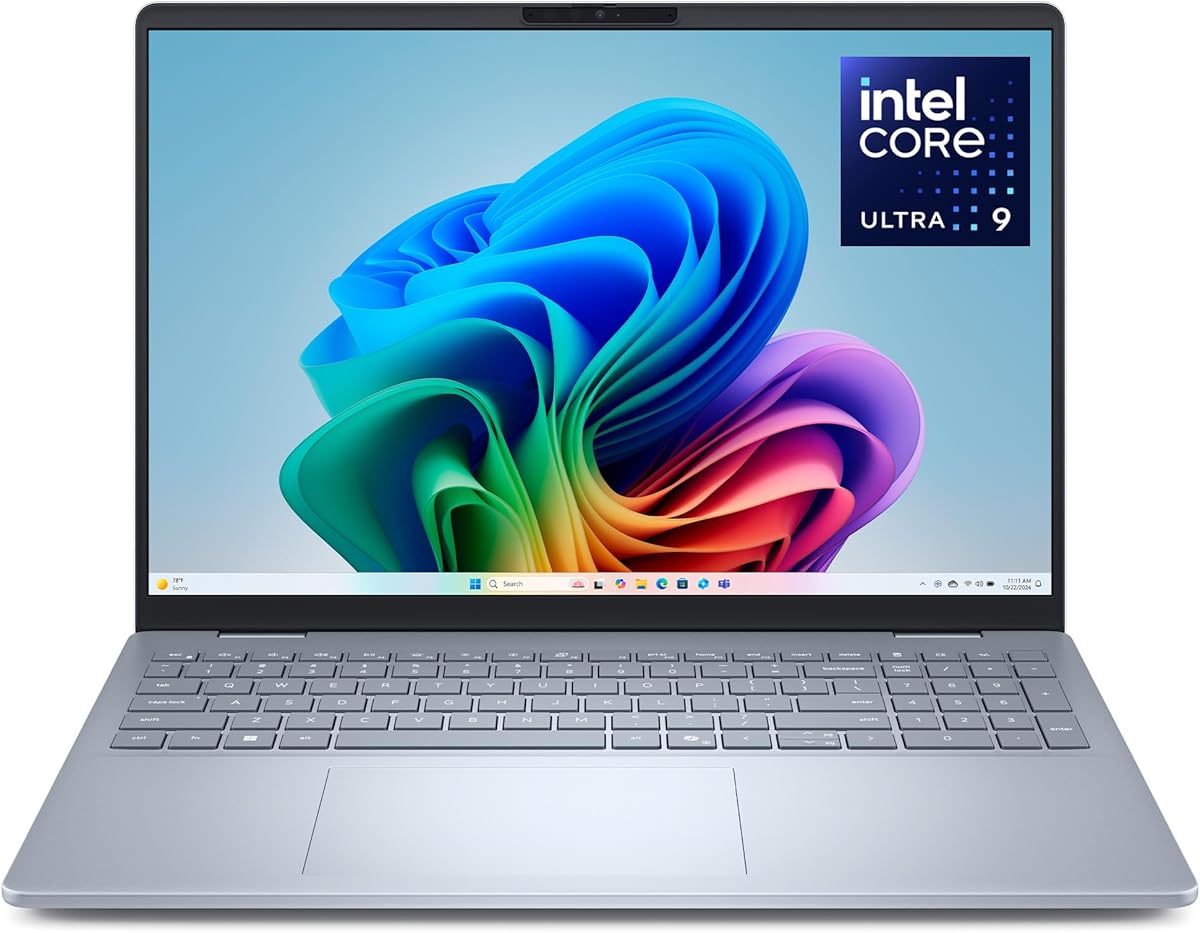
This Dell model brings next-generation Intel Core Ultra technology to design workflows, focusing on efficiency and AI integration. Rated at 4.3, it offers a sleek alternative for designers who prioritize portability and modern feature sets over raw GPU power.
We may earn a commission when you buy through this link, at no additional cost to you.
The QHD+ screen provides ample space for toolbars and canvas areas, making it comfortable for drafting and 2D design tasks. The Intel Core Ultra 9 processor handles general productivity and light rendering well, especially when paired with 32GB of RAM for smooth multitasking.
However, interior designers relying heavily on 3D rendering should note the integrated graphics limit. This device excels at administrative work, presentations, and conceptual design but may require an external GPU for heavy visualization tasks.
Choose this laptop if you need a reliable daily driver for meetings and site visits that still offers strong performance for standard design software. It strikes a good balance between modern AI features and traditional workstation needs.
Built-in AI engines optimize power usage and system performance to keep the laptop cooler and quieter during extended work sessions.
The high resolution screen ensures sharp text and detailed line work, which is essential for precision drafting and architectural planning.
We may earn a commission when you buy through this link, at no additional cost to you.
The HP OmniBook 7 AI Laptop impresses with its stunning 2K OLED touchscreen, delivering exceptional color accuracy crucial for interior design projects. With a 4.3 rating, it is a compelling choice for creators who need vivid visuals and touch interaction for sketching concepts.
We may earn a commission when you buy through this link, at no additional cost to you.
The 120Hz refresh rate ensures smooth scrolling through large design files and responsive touch inputs. Coupled with the powerful Intel Core 9 270H processor and 32GB of RAM, this laptop handles complex applications with ease while maintaining a relatively portable form factor.
While the screen is a highlight, the HDR brightness might be lower than professional color-grade monitors in bright studio environments. However, for general design work and client presentations, the deep blacks and wide color gamut provide a superior viewing experience.
This model is ideal for designers who value screen quality and interactivity. If you frequently review colors and textures on a portable device, the OLED panel offers a level of visual fidelity that LCD screens struggle to match.
The OLED technology covers 100 percent DCI-P3 color space, ensuring that what you see on screen matches printed materials or client expectations.
Multitouch capabilities allow for intuitive navigation and sketching directly on the screen, enhancing the creative process without extra peripherals.
We may earn a commission when you buy through this link, at no additional cost to you.
The HP ZBook 8 G1i is built for serious professionals who need workstation power in a mobile package. Rated at 4.1, it offers a dedicated NVIDIA RTX GPU and 64GB of RAM, making it capable of handling high-end 3D rendering and simulation tasks effortlessly.
We may earn a commission when you buy through this link, at no additional cost to you.
The inclusion of Wi-Fi 7 and Thunderbolt 4 ensures rapid data transfer and connectivity with external drives or high-res displays. The large 2TB SSD provides ample space for storing extensive project libraries and assets without needing external storage solutions.
While the touch display is bright and anti-glare, it may not reach the color precision of specialized OLED screens. However, for engineers and designers working with simulations and complex CAD models, the raw performance and ISV certifications provide necessary reliability.
Choose this laptop if your work involves heavy rendering or multi-layer projects that require significant memory and GPU resources. It is a robust tool for professionals who cannot compromise on performance for the sake of portability.
The dedicated NVIDIA GPU accelerates rendering times and allows for real-time previews of complex 3D scenes in design software.
Wi-Fi 7 support ensures ultra-fast network speeds for transferring large project files to cloud servers or collaborators instantly.
We may earn a commission when you buy through this link, at no additional cost to you.
This Precision model offers a balanced entry into workstation-class computing with dedicated graphics capabilities. It rates well at 4.3 for users who need GPU acceleration for rendering but do not require the absolute highest-end CPU found in flagship models.
We may earn a commission when you buy through this link, at no additional cost to you.
The RTX 1000 Ada provides dedicated graphics power that improves performance in CAD and 3D applications compared to integrated solutions. Combined with 32GB of RAM, it ensures smooth operation for daily design tasks and moderate rendering loads.
While the i5 processor is efficient, it may bottleneck slightly during extremely complex simulations compared to i9 models. However, for most interior design workloads, this configuration provides excellent value without overspending on unused capacity.
It is a smart choice for designers looking for a reliable machine that handles professional software well without the premium price of top-tier specs. This model serves well for studios needing a mix of performance and cost efficiency.
Dedicated NVIDIA graphics allow for smoother viewport navigation and faster rendering of 3D models within professional design applications.
Workstation standards ensure the laptop withstands daily rigorous use and maintains consistent performance over long periods of operation.
We may earn a commission when you buy through this link, at no additional cost to you.
This Dell variant pushes performance further with a more robust RTX GPU and increased storage. While user ratings are slightly lower at 3.9, the hardware specs target users who need specific capacity for large assets and better graphics performance for rendering.
We may earn a commission when you buy through this link, at no additional cost to you.
The RTX 2000 Ada with 8GB memory handles complex geometry and textures better than lower-tier options. The 2TB SSD ensures you have room for extensive project files, reducing the need to manage external drives constantly.
Reviewers note that while powerful, thermal performance or driver optimization may vary compared to other workstation models. This is a consideration for users who prioritize raw specs over immediate out-of-box stability or specific vendor support preferences.
For studios handling massive render farms or needing local storage for terabytes of textures, this machine offers the necessary hardware. It is a strong candidate for technical users who can optimize settings to match their specific workflow requirements.
Large SSD capacity allows for keeping multiple active projects accessible without slowing down system performance due to storage limits.
Upgraded graphics memory ensures smoother handling of high-resolution textures and complex lighting calculations in design software.
We may earn a commission when you buy through this link, at no additional cost to you.
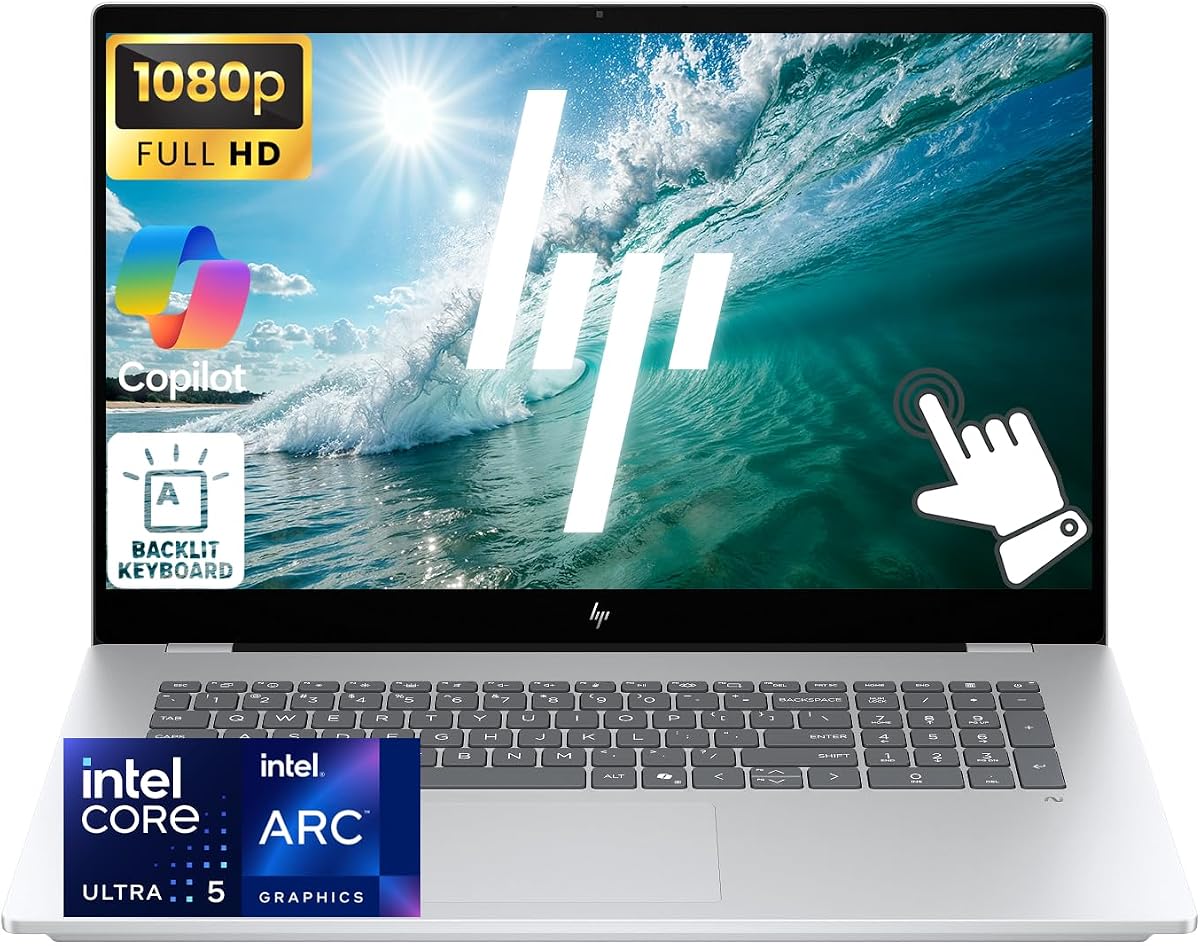
The HP OmniBook 7 offers a large 17.3-inch screen in a relatively lightweight chassis, making it appealing for designers who want screen real estate without heavy bulk. Rated at 4.7, it is a highly rated option for general productivity and light design work.
We may earn a commission when you buy through this link, at no additional cost to you.
The 17.3-inch FHD touchscreen provides ample space for toolbars and design canvases. The Intel Core Ultra 5 processor handles standard design applications and video editing efficiently, supported by 16GB of fast LPDDR5x RAM.
While it lacks a dedicated GPU, this laptop excels at conceptual work, presentations, and 2D drafting. The high user satisfaction suggests good reliability and usability, though heavy 3D rendering would require an external solution or desktop machine.
This model is ideal for designers who spend time in meetings or on-site and need a large screen for reviewing plans. It balances portability and visual workspace effectively for professionals who do not need workstation-level power.
The large screen reduces the need for multiple windows and allows for comfortable side-by-side comparison of design drafts and notes.
Despite the large display, the thin profile makes it easier to transport to client sites compared to traditional 17-inch laptops.
We may earn a commission when you buy through this link, at no additional cost to you.
This Dell configuration offers a perfect balance of power and memory, reflected in its 5.0 user rating. It is designed for users who need to keep massive datasets open in memory while running rendering software simultaneously.
We may earn a commission when you buy through this link, at no additional cost to you.
The 64GB of RAM is a standout feature that prevents swapping and ensures smooth operation even with dozens of applications and browser tabs open. The RTX 2000 Ada graphics card provides the horsepower needed for realistic rendering and 3D modeling.
While the system is robust, the cost and weight are considerations for mobile use. It is best used as a primary studio machine where performance is non-negotiable and weight is less of a concern.
For professionals who work with complex 3D scenes and need to avoid memory bottlenecks, this laptop delivers exceptional performance. It is a top choice for senior designers or studios prioritizing workflow efficiency above all else.
The 64GB RAM allows for handling complex scenes with high polygon counts and detailed textures without performance degradation.
A perfect user rating suggests strong reliability and satisfaction among professionals who use this machine for daily critical work.
We may earn a commission when you buy through this link, at no additional cost to you.
A great laptop is only as good as its transport. This rolling bag provides a stylish and practical solution for carrying large 15 to 17-inch workstations safely. Rated at 4.5, it combines professional aesthetics with the functionality needed for daily commutes.
We may earn a commission when you buy through this link, at no additional cost to you.
The wheeled design reduces strain on your back and shoulders, making it easier to transport heavy workstations to client sites. Multiple pockets help organize chargers, mice, and documents, keeping your workspace tidy and accessible on the go.
While it may not be as flexible as a backpack for walking long distances, it is ideal for office-to-site travel. The durable materials protect your equipment from wear and tear, ensuring your laptop arrives safely every time.
This case is perfect for professionals who need to carry their laptop daily but want to maintain a polished look. It pairs well with business attire and offers a professional alternative to standard backpacks for travel.
The rolling wheels allow you to pull the bag rather than carry heavy weight, reducing physical strain during travel days.
Dedicated pockets keep accessories organized so you do not lose items like adapters or mice between different work locations.
We may earn a commission when you buy through this link, at no additional cost to you.
This budget model offers basic functionality for those with limited financial resources. Rated at 3.8, it is a entry-level device that can handle light administrative tasks but struggles with demanding professional design applications.
We may earn a commission when you buy through this link, at no additional cost to you.
The Celeron processor and integrated graphics mean this machine is not suitable for heavy 3D modeling or rendering. However, it is functional for reviewing designs, sending emails, or using lightweight cloud-based design tools on a tight budget.
The inclusion of an external drive and USB hub adds value, but users should expect longer load times for large files. It is a compromise solution for students or freelancers just starting who cannot yet afford a full workstation.
Consider this only if your design work is minimal or you rely on remote desktop services for heavy processing. For serious interior design work, investing in a more powerful machine is recommended to ensure productivity and longevity.
This option provides a low-cost entry point for basic computing needs without requiring a large upfront investment.
It supports essential tasks like web browsing and document editing but lacks the power for professional design workflows.
We may earn a commission when you buy through this link, at no additional cost to you.
Selecting the right laptop for interior design requires balancing performance needs with portability and budget constraints. Here are the key factors to consider when making your decision.
Interior designers often run resource-intensive software like AutoCAD, Revit, and 3D modeling tools. A powerful multi-core processor such as an Intel i7 or i9 ensures that rendering and multitasking do not slow down your workflow. Look for processors with high clock speeds and multiple threads to handle concurrent applications smoothly.
Prioritize a CPU with at least 12 cores for future-proofing. This ensures your laptop remains capable of handling new software updates and increasingly complex design projects over time.
A dedicated GPU is essential for smooth performance in 3D design and rendering applications. Integrated graphics may struggle with high-resolution textures and complex geometry. Look for NVIDIA RTX series graphics cards which are optimized for professional visualization tasks.
Ensure the GPU has at least 4GB of VRAM to handle large design scenes effectively. This prevents crashes and ensures fluid interaction with 3D models in your design software.
Memory is critical for multitasking between design software, web browsers, and file management tools. 32GB is the recommended baseline for professional designers to ensure smooth performance without slowdowns. Less RAM can lead to lag when working with large files.
Choose a laptop with upgradeable RAM slots if possible. This allows you to increase memory later if your project requirements grow, extending the lifespan of your investment.
Accurate color representation is vital for interior designers to ensure materials and finishes look correct. Look for screens that cover 100% sRGB or DCI-P3 color gamuts. IPS or OLED panels provide better viewing angles and contrast for detailed work.
Resolution should be at least 1920×1200 to provide enough workspace. A larger screen or external monitor support helps manage multiple windows and design views efficiently.
Fast storage speeds up project load times and file transfers. A PCIe NVMe SSD is superior to traditional hard drives. Aim for at least 512GB of storage to accommodate design assets and software without filling up quickly.
Consider models with expandable storage options. External drives or additional internal slots allow you to keep extensive libraries of textures and client files organized.
Interior designers often travel to client sites and measure rooms. A lighter laptop makes commuting easier without sacrificing too much performance. Balance weight with power; workstations tend to be heavier but offer better cooling.
Battery life is also important for working on-site without access to power outlets. Look for models that can last at least 8 hours on a single charge to support a full day of work.
Multiple ports are necessary for connecting external displays, drawing tablets, and projectors. Ensure your laptop has Thunderbolt 4, HDMI, and USB-A ports. Docking station support simplifies connecting to office peripherals.
Wi-Fi 6E or 7 support ensures fast data transfer for cloud collaboration. Reliable wireless connectivity is essential for syncing files with team members or clients quickly.
High-performance laptops can be expensive. Determine how much you are willing to spend based on your professional needs. Sometimes a mid-range model offers the best value if you do not need top-tier specs.
Check for discounts or refurbished options from reputable sellers. Investing in the right machine can save time and money in the long run by increasing productivity and reducing technical issues.
To ensure longevity, keep your laptop in a well-ventilated area to prevent overheating. Clean vents regularly to remove dust and avoid using the device on soft surfaces like beds where airflow is blocked.
Use the battery care features provided by the operating system to preserve battery health. Avoid letting the battery drain completely too frequently and try to keep it between 20 and 80 percent when plugged in for long periods.
Back up your design files regularly to external drives or cloud services. This protects your work against hardware failures and ensures you can access projects from multiple devices when necessary.
A 16-inch or larger screen is recommended for interior designers to allow sufficient workspace for toolbars and design canvases. If you travel frequently, a 15-inch model is a good compromise between screen real estate and portability.
While basic 2D drafting can run on integrated graphics, a dedicated GPU is highly recommended for 3D modeling and rendering. It ensures smooth viewport navigation and faster rendering times for complex projects.
Revit is memory-intensive, so 32GB of RAM is the recommended minimum for professional use. This allows you to handle large building models without performance degradation or system crashes.
OLED screens offer excellent color accuracy and deep blacks which are great for creative work. However, ensure the display is calibrated for professional use to maintain consistency across different design outputs.
Some models allow RAM upgrades while others have soldered memory. Check the specific model specifications before purchasing to see if you can add more memory later if needed.
Essential accessories include a high-quality mouse, a docking station for external monitors, and a durable laptop case. These tools improve comfort and connectivity during daily workflow and travel.
Regularly update drivers and clean up unused files to keep the system running smoothly. Use task management tools to close background applications that may slow down your design software.
MacBooks are excellent for general design and presentation work but may lack specific ISV certifications required for some engineering software. Check compatibility with your specific tools before choosing a Mac.
Our top picks highlight the diversity in the market ranging from powerful workstations to portable all-rounders. The Dell Precision 7680 remains a top choice for raw power while the HP OmniBook 7 shines with its display quality.
Prioritize the specifications that align most closely with your daily workflow. If you focus on rendering, invest in GPU and RAM. If you focus on travel, consider portability and battery life to support your mobile needs.
Remember to check current prices and availability as technology evolves quickly. Ensuring you get the best deal helps you secure a machine that will serve your professional needs effectively for years to come.